AI-Powered Retail Guide: Smart Shopping, Customer Analytics and Inventory Management
An AI-Powered Retail Guide explains how artificial intelligence is used in smart shopping, customer analytics, inventory management, and everyday retail operations. Retail businesses have traditionally relied on sales records, stock counts, customer feedback, and employee experience to make decisions. As online shopping and digital payment systems expanded, retailers began collecting larger amounts of information that could be analyzed using computer-based methods.
Context
An AI-Powered Retail Guide explains how artificial intelligence is used in smart shopping, customer analytics, inventory management, and everyday retail operations. Retail businesses have traditionally relied on sales records, stock counts, customer feedback, and employee experience to make decisions. As online shopping and digital payment systems expanded, retailers began collecting larger amounts of information that could be analyzed using computer-based methods.
Artificial intelligence (AI) refers to computer systems that perform tasks such as recognizing patterns, processing language, making predictions, and identifying relationships in data. In retail, these capabilities can help businesses understand shopping patterns, organize product information, estimate future demand, and monitor inventory levels. The technology can be used in physical stores, online shops, warehouses, and supply chains.
Understanding Smart Shopping Technology
Smart shopping uses digital tools to make product discovery, payment, and shopping management more responsive to customer needs. AI can analyze browsing activity, product preferences, and previous transactions to organize product recommendations or improve search results. These systems do not understand every customer perfectly, and their results depend on the information available and how the models are designed.
Common applications include:
Personalized recommendations: Suggesting products based on browsing patterns, stated preferences, or previous purchases.
Intelligent search: Interpreting search phrases and identifying products that match a shopper's request.
Automated customer assistance: Using chatbots to answer routine questions about product details, delivery status, and store policies.
Visual search: Identifying products or similar items from uploaded images.
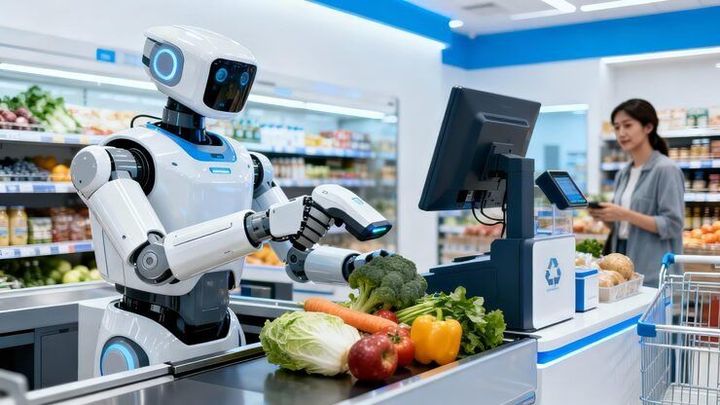
Digital checkout: Supporting automated payment processes, electronic receipts, and selected checkout technologies.
These applications differ by retailer and platform. Some use simple rules and statistical models, while others use machine learning or generative AI to process more complex information.
Understanding Customer Analytics and Inventory Management
Customer analytics involves examining information about shopping behavior, preferences, product interactions, and purchasing patterns. Retailers may use this information to understand which product categories attract attention, how customers move through an online store, and where shoppers leave the purchasing process.
Inventory management focuses on maintaining suitable stock levels and coordinating products across stores, warehouses, and suppliers. AI-based systems can analyze historical sales, seasonal changes, current stock, and other relevant factors to estimate demand. The resulting forecasts can help retailers plan replenishment, although unexpected events and inaccurate data can affect their reliability.
Importance
AI-powered retail matters because retailers must manage changing customer expectations, large product catalogs, fluctuating demand, and complex supply chains. Customers may expect accurate product information, relevant search results, convenient payment methods, and clear updates about product availability. Retail businesses, meanwhile, need to coordinate stock, purchasing decisions, staffing, and delivery arrangements.
Traditional methods can become difficult to manage when a retailer operates across many locations or sells thousands of products. Manual spreadsheets and fixed ordering rules may not reflect sudden demand changes or differences between locations. AI can help analyze more information and identify patterns, but human oversight remains important when decisions involve unusual situations, customer complaints, or substantial financial consequences.
Benefits for Customers and Retail Businesses
AI-powered retail can affect several parts of the shopping experience:
Product discovery: Search and recommendation systems can help customers navigate large product catalogs.
Stock visibility: Inventory systems can provide updated information about product availability when connected to accurate stock records.
Demand planning: Forecasting tools can estimate how much stock may be required during different periods.
Customer understanding: Analytics can reveal broad patterns in product interest and shopping behavior.
Operational coordination: Connected systems can help teams coordinate warehouse stock, store inventory, and replenishment schedules.
These applications also have limitations. Incorrect product data can produce unsuitable recommendations, while inaccurate forecasts can lead to excess inventory or shortages. Customers may also be concerned about how their personal information is collected, analyzed, and retained.
Comparing Retail AI Applications
The following table summarizes common applications and their practical considerations.
| Application | Main purpose | Important consideration |
|---|---|---|
| Product recommendations | Organize relevant product suggestions | Preference accuracy and privacy |
| Customer analytics | Identify shopping patterns | Data quality and appropriate use |
| Demand forecasting | Estimate future product requirements | Seasonal and unexpected changes |
| Inventory monitoring | Track stock levels | Accurate, timely stock records |
| Chatbots | Answer routine questions | Escalation for complex issues |
| Visual search | Match images with products | Image quality and catalog coverage |
| Checkout automation | Support payment and checkout tasks | Security and transaction accuracy |
The usefulness of each application depends on the retailer's objectives, data quality, technical systems, and the complexity of its operations.
Recent Updates
From 2024 through 2026, retail technology has increasingly incorporated generative AI, conversational search, automated data analysis, and more connected inventory systems. These developments reflect a broader shift from tools that only report past activity toward systems that can help interpret information and support operational decisions. Adoption varies widely according to business size, available data, technical capacity, and regulatory requirements.
Generative AI and Conversational Shopping
Generative AI can interpret natural-language questions and produce responses based on product information, policies, and other available data. Instead of relying entirely on fixed search terms, a customer may describe a product's intended use, required features, or preferred specifications. Some retail platforms are testing or using conversational shopping tools to help organize these requests.
However, generated answers can contain errors, misunderstand product requirements, or rely on incomplete information. Retailers need appropriate controls to ensure that product specifications, stock information, and policy explanations remain accurate. Customers may still need to consult the original product listing or written terms before making a decision.
Predictive Inventory and Connected Systems
Retailers increasingly connect sales records, warehouse systems, online stores, and supplier information to improve inventory visibility. AI models can use these combined data sources to estimate demand, identify unusual sales patterns, and highlight potential stock shortages. Connected systems may also support more frequent updates when products move between locations.
Computer vision is another developing area. Cameras and image-analysis systems can assist with shelf monitoring, product recognition, and selected checkout processes. These systems require suitable equipment, careful testing, and attention to privacy. They may also perform differently depending on lighting, product packaging, store layout, and image quality.
Laws or Policies
AI-powered retail is shaped by consumer protection, privacy, cybersecurity, electronic commerce, and payment-related requirements. Applicable rules depend on the country, the type of data collected, the retailer's activities, and the technology being used. Using AI does not remove a retailer's existing legal responsibilities.
Consumer Protection and Electronic Commerce in India
In India, the Consumer Protection Act, 2019, provides a framework addressing consumer rights and specified unfair trade practices. The Consumer Protection (E-Commerce) Rules, 2020, establish requirements relevant to covered electronic commerce activities. Depending on the circumstances, these rules may be relevant to product descriptions, seller information, grievance handling, and disclosures on online retail platforms.
Retailers using AI-generated product descriptions or recommendations should take care that the information presented is accurate and not misleading. Automated systems should not obscure relevant product conditions, misrepresent availability, or make unsupported claims. The legal assessment of a particular practice depends on the facts and applicable requirements.
Personal Data and Payment Security
Customer analytics may involve names, contact information, transaction histories, device information, or online activity. India's Digital Personal Data Protection Act, 2023, and its associated rules and commencement arrangements form part of the country's data-protection framework. The provisions that apply depend on the relevant implementation status, the data involved, and the circumstances of processing.
Retailers should assess their responsibilities for collecting, using, storing, and protecting personal information. Payment systems must also account for applicable security requirements, including relevant Reserve Bank of India directions and payment-card standards where applicable. AI systems that analyze customer behavior require particular attention to access controls, data accuracy, and appropriate use.
Responsible AI Practices
Responsible AI practices include testing systems for errors, limiting access to sensitive information, documenting important decisions, and monitoring outcomes over time. Retailers should consider whether automated decisions treat customer groups unfairly or rely on inaccurate assumptions. Human review is particularly important when an automated system affects a complaint, payment dispute, or other significant customer matter.
Tools and Resources
A range of platforms can help retailers explore AI-powered shopping, customer analytics, and inventory management. Their capabilities vary according to subscription, integration, data access, and configuration.
Retail Analytics and Customer Insights
Google Analytics can help analyze website traffic, user interactions, and shopping events when correctly configured. Retail businesses may also use customer relationship management systems and commerce analytics platforms to organize customer interactions and identify broader behavioral patterns. The interpretation of these reports requires attention to tracking limitations, consent requirements, and data quality.
Inventory and Demand Planning Tools
Inventory management platforms can record stock movements, monitor product availability, and coordinate replenishment. Enterprise resource planning systems may connect inventory records with purchasing, accounting, warehouse operations, and supplier information.
AI-based forecasting tools use historical records and other relevant variables to estimate future demand. Their performance should be evaluated against actual outcomes, especially when products experience seasonal changes or irregular demand. A simple spreadsheet can also track stock on hand, expected deliveries, sales history, reorder thresholds, and forecast differences.
AI Development and Evaluation Resources
Platforms such as Microsoft Azure AI, Google Cloud AI, and Amazon Web Services provide tools for developing or integrating machine learning applications. Retailers may use them to explore forecasting, text analysis, image recognition, or conversational systems, depending on the available features and technical requirements.
Useful evaluation measures include forecast error, stockout frequency, excess inventory, search success, recommendation relevance, and customer complaint patterns. These measures help distinguish measurable operational changes from assumptions about what an AI system might achieve.
FAQs
What is AI-powered retail?
AI-powered retail uses artificial intelligence to support activities such as product discovery, customer analytics, demand forecasting, and inventory management. It can operate across physical stores, online shops, and warehouses.
How does AI improve smart shopping?
AI can organize search results, suggest relevant products, support visual search, and answer routine questions. The accuracy of these features depends on product information, customer input, and system design.
How is AI used in retail inventory management?
AI can analyze historical sales, seasonal patterns, current stock, and supply information to estimate future demand. Retailers use these estimates to support replenishment planning, but forecasts may be affected by unexpected changes.
What are the privacy concerns with retail customer analytics?
Customer analytics can involve personal information and behavioral data. Retailers need to consider applicable privacy rules, data security, transparency, and the appropriate use of customer information.
What tools are used for AI-powered retail analytics?
Retailers may use website analytics platforms, customer relationship management systems, inventory software, cloud AI platforms, and forecasting tools. The appropriate combination depends on the business's size, data, and operational requirements.
Conclusion
AI-powered retail combines smart shopping technology, customer analytics, and inventory management to support decisions across stores and digital platforms. Applications include personalized recommendations, conversational search, demand forecasting, and stock monitoring. Their usefulness depends on reliable data, suitable system design, human oversight, and responsible handling of customer information. Consumer protection, privacy, and payment-related rules also influence how these technologies are implemented.