AI Video Creation: Discover Key Steps for Creating Videos With AI Technology
AI video creation is the process of using artificial intelligence to help produce, modify, or assemble video content from inputs such as text, images, audio, and existing footage. Modern AI systems can assist with tasks including scene generation, animation, narration, visual effects, captions, and editing. The technology developed from earlier machine-learning and computer-assisted media systems into generative models capable of producing new visual sequences.
The basic process usually starts with an idea, script, or visual reference. An AI model interprets the supplied information and generates or changes video material according to the requested instructions. Some systems can create scenes from written descriptions, while others can animate still images or modify existing footage.
AI video creation does not mean that every stage can be completed without human involvement. Planning, fact-checking, editing, visual review, and final approval remain important, particularly when a video presents factual information or realistic people and events.
How AI video creation works
AI video systems use machine-learning models that identify relationships between language, images, movement, sound, and other forms of media. When a user provides an instruction, the system processes the input and generates a visual result based on patterns learned during model development.
A typical AI video creation workflow includes:
- Idea development: defining the subject, purpose, audience, and format.
- Script writing: organizing information, narration, or dialogue.
- Scene planning: deciding what should appear in each part of the video.
- Visual generation: creating or transforming video scenes.
- Audio creation: preparing narration, dialogue, music, or sound effects.
- Editing: arranging clips, adjusting timing, and adding captions.
- Review: checking accuracy, consistency, clarity, and responsible use.
The exact workflow can vary depending on the type of video and the capabilities of the AI system being used.
Importance
AI video creation matters because video is widely used for education, communication, entertainment, documentation, presentations, and digital publishing. Traditional video production can involve several stages, including planning, recording, visual production, voice recording, and editing. AI can assist with some of these activities and change how creators approach the production process.
The technology can also help people visualize ideas that may be difficult to record in a physical environment. For example, an educational concept involving an imaginary environment, historical reconstruction, or scientific process can be represented through generated scenes rather than conventional filming.
At the same time, AI-generated video creates new challenges. A generated scene may contain incorrect objects, unnatural movement, inconsistent characters, inaccurate text, or details that do not match the original instruction. This means that reviewing generated material remains an important part of the workflow.
Planning an AI video
Good planning begins before the generation stage. The creator needs to determine what the video should communicate, who will watch it, and which visual elements are necessary.
A simple planning process can include:
- Defining the main topic.
- Identifying the intended audience.
- Choosing a suitable video format.
- Writing the main message or story.
- Dividing the script into scenes.
- Describing important visual details.
- Deciding how narration and visuals should work together.
A focused plan can also make editing easier because each scene has a defined purpose.
From script to scenes
A long script should normally be divided into smaller sections before visual generation begins. Each section can describe the setting, characters, actions, camera perspective, lighting, and other details relevant to the scene.
For example, an educational video about ocean pollution may require separate scenes showing the ocean environment, sources of pollution, effects on marine life, and possible methods of reducing waste. Breaking the subject into sections helps maintain a logical sequence.
| Production stage | Main purpose | Typical output |
|---|---|---|
| Concept | Define the central idea | Topic and objective |
| Script | Organize information | Narration or dialogue |
| Storyboard | Plan the sequence | Scene descriptions |
| Generation | Create visual material | Video clips |
| Audio | Build the sound layer | Narration and effects |
| Editing | Assemble material | Complete sequence |
| Review | Check the final result | Revised video |
Recent Updates
AI video creation has developed considerably during 2024–2026. Video-generation systems have increasingly moved from short experimental sequences toward models with greater control over movement, visual consistency, sound, and interaction between elements.
Multimodal generation has also become more important. Instead of relying only on written instructions, newer systems can work with combinations of text, images, and video references. Some models have also introduced synchronized dialogue and sound effects as part of generated video.
Greater control over generated scenes
Recent development has focused on giving users more control over elements such as camera movement, characters, environments, actions, and visual style. This makes AI video creation more suitable for structured storytelling, although maintaining consistency across multiple scenes can still be difficult.
For longer projects, creators may need to review every generated clip individually. A character's appearance, clothing, surroundings, or movement can change between scenes even when similar instructions are used.
Growth of content provenance
Another important development is the increasing use of content provenance systems. The Coalition for Content Provenance and Authenticity describes Content Credentials as a way to record information about how digital content was created and modified. These credentials can contain information about the media's origin and editing history.
During 2026, work on provenance expanded to include more detailed information about AI involvement, including whether media was generated or modified and, in some implementations, which parts of an asset were affected.
Increasing attention to AI disclosure
Digital platforms have also increased their focus on identifying realistic synthetic media. For example, Google's published information describes disclosure labels for realistic altered or AI-generated content, with changes during 2026 intended to make these labels more visible.
These developments reflect a broader shift toward transparency as generated video becomes more realistic and easier to create.
Laws or Policies
AI video creation is affected by a combination of laws, platform rules, intellectual property principles, privacy requirements, and emerging AI regulations. The exact requirements vary by jurisdiction and by how the content is created or distributed.
A major area of attention is synthetic media involving real people. Generating a person's face, voice, or likeness without appropriate permission can create privacy, impersonation, or other legal concerns. The risks can be greater when the generated material presents false statements or creates the appearance that a real person participated in an event.
Synthetic media and disclosure
Some digital platforms require creators to disclose realistic altered or synthetic material. Google's published guidance, for example, explains that realistic AI-generated or altered content may require disclosure, while clearly unrealistic animation and certain minor edits may not require the same treatment.
Platform requirements can change over time, so creators need to check the current rules of the platform where content will be published.
Copyright and personal likeness
Copyright considerations can arise when AI video creation involves existing images, footage, music, characters, artwork, or other protected material. The legal status of AI-generated material can also vary between jurisdictions and may depend on the amount of human creative involvement.
Personal likeness is another consideration. A person's face or voice should not be presented in a misleading way simply because technology makes such manipulation technically possible.
Content provenance can provide additional information about a video's creation history. C2PA explains that Content Credentials use cryptographically signed information to help establish a record of creation and subsequent modifications.
Tools and Resources
AI video creation generally involves several categories of digital resources. The appropriate combination depends on the type of project, the desired format, and the amount of human editing involved.
AI video-generation systems can create scenes from text descriptions or transform supplied images and footage. Image-generation systems can help prepare visual references before video production begins.
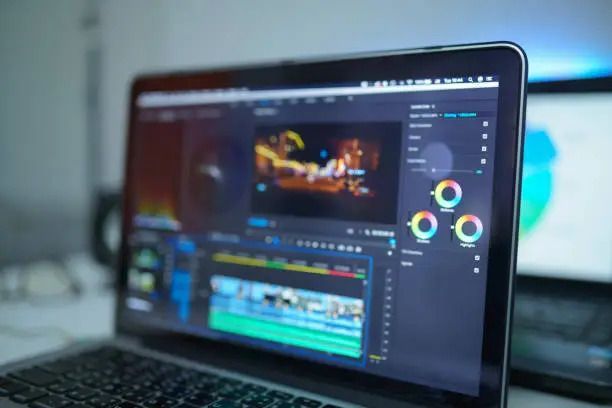
Video-editing applications can arrange generated clips, adjust timing, add captions, synchronize narration, and remove unwanted sections. Audio-editing applications can help clean recordings and align speech with visual sequences.
Research resources are also important. Official government websites, academic publications, technical documentation, and established media organizations can help verify factual information before it becomes part of a video.
Content provenance resources
Content Credentials and the C2PA standard are increasingly relevant to digital media. They provide a framework for recording information about content creation and modification in a machine-readable and tamper-evident form.
A practical review checklist can include:
- Check factual statements against reliable sources.
- Review generated people, places, and events for misleading representations.
- Check whether visual elements remain consistent between scenes.
- Review narration, captions, pronunciation, and timing.
- Determine whether synthetic content disclosure is required.
- Check whether supplied images, music, footage, or other materials can legally be used.
- Review the complete video before publication.
FAQs
What is AI video creation?
AI video creation is the use of artificial intelligence to generate, modify, or assemble video material. Inputs can include text, images, audio, or existing footage.
How does AI video creation work?
AI video creation usually begins with a prompt, script, image, or video reference. An AI model processes the input and generates or modifies video according to the information provided.
What are the key steps for creating videos with AI technology?
The main steps include developing an idea, writing a script, planning scenes, generating visual material, preparing audio, editing the video, and reviewing the final result.
Can AI video creation make realistic videos?
Yes, modern systems can create increasingly realistic video sequences. However, generated content can still contain incorrect details, unnatural movement, or inconsistencies, so human review remains important.
Does AI-generated video need to be disclosed?
Disclosure requirements depend on the platform, jurisdiction, and nature of the content. Realistic synthetic or significantly altered material may be subject to disclosure rules, particularly when viewers could mistake it for authentic footage.
Conclusion
AI video creation combines artificial intelligence with established production stages such as scripting, scene planning, audio preparation, editing, and review. Recent developments have improved control over generated video while also increasing attention toward synthetic-media disclosure and content provenance. AI-generated footage can still contain visual or factual errors, making human review an important part of the process. Legal and platform requirements also continue to develop as synthetic media becomes more common.