Boiler Replacement Guide: Heating Systems, Components, Efficiency Factors and Planning
A boiler is a heating appliance that transfers energy from a fuel or another energy source into water or another heat-transfer medium. The heated medium can then provide space heating, hot water, steam, or process heat. Boilers are used in homes, commercial buildings, institutions, manufacturing facilities, and other settings where controlled heating is required.
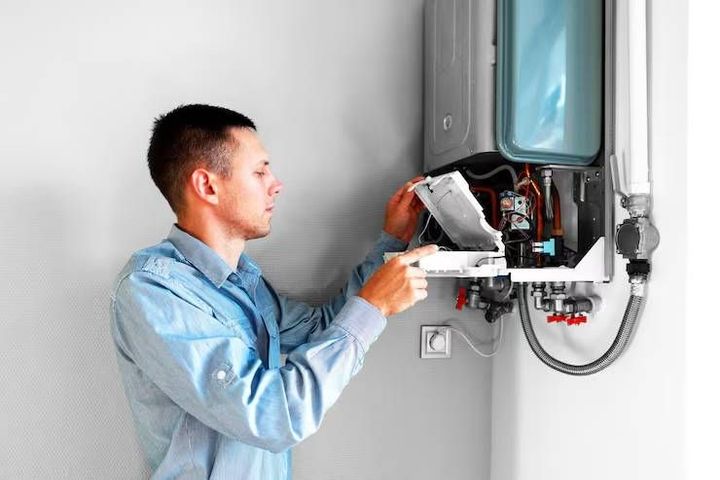
A boiler replacement usually involves more than removing an old unit and installing another one. The heating system includes several connected components, such as the boiler, pumps, pipes, controls, expansion equipment, heat emitters, fuel systems, ventilation arrangements, and safety devices. Changing one component can affect how the wider system operates.
Boiler replacement planning therefore begins with understanding the existing heating system. The building size, climate, heating demand, fuel type, operating schedule, water temperature, insulation, and available space can all influence the appropriate system configuration. For larger buildings and industrial facilities, additional factors such as steam pressure, process requirements, emissions, and regulatory inspections may also apply.
Importance
An aging boiler can affect heating performance, energy use, temperature control, and system reliability. Older equipment may also have components that are difficult to integrate with modern controls or replacement parts. These issues can become more noticeable when heating demand changes because of building alterations, occupancy changes, or improvements to the building envelope.
Boiler replacement is also connected with energy efficiency. A heating system does not operate as a single isolated appliance. Heat losses can occur through combustion, flue gases, pipes, storage tanks, poorly insulated surfaces, and unnecessary circulation. Improving several parts of the system can therefore influence overall performance.
For general planning, important factors include:
- Existing boiler capacity and operating condition
- Building heating requirements
- Fuel or energy source
- Boiler efficiency and heat losses
- Water or steam temperature requirements
- Pipe and insulation condition
- Pumps, valves, and expansion equipment
- Thermostats and control systems
- Ventilation and flue arrangements
- Available installation space
- Applicable safety and building requirements
Correct sizing is particularly important. A boiler that is substantially larger than the actual heating requirement may cycle frequently, while a unit that is too small may struggle during periods of high demand. A heat-load assessment provides a more useful basis for capacity planning than simply matching the size of an existing boiler.
Understanding the main heating systems
Different boiler arrangements are designed for different applications. Hot-water boilers circulate heated water through radiators, underfloor systems, air-handling equipment, or other heat emitters. Steam boilers generate steam that travels through a distribution network before releasing heat.
Condensing boilers are designed to recover some heat from water vapor in exhaust gases when operating under suitable return-water temperatures. Conventional non-condensing designs generally operate differently and may require higher exhaust temperatures.
Electric boilers use electrical energy rather than combustion. They can be used where electricity is suitable for the required heating load and infrastructure. The practical choice depends on the building, energy supply, operating conditions, and local requirements.
Recent Updates
Heating technology has increasingly focused on energy efficiency, system controls, building performance, and lower-emission energy use. In India, the Bureau of Energy Efficiency has expanded its building-efficiency resources, including the Energy Conservation and Sustainable Building Code 2024 and materials covering energy-efficient retrofits for existing buildings.
The broader trend is toward treating heating equipment as part of an integrated building system. Better controls, improved insulation, variable-speed equipment, heat recovery, monitoring, and appropriate equipment sizing can all be considered during a replacement project.
For commercial buildings, India's Energy Conservation Building Code framework addresses mechanical systems and equipment, including heating, ventilation, and air-conditioning systems. ECBC 2017 applies to specified large commercial buildings and considers India's different climate zones.
Modern replacement planning can also involve alternatives to combustion-based heating. Depending on the application, electric heating, heat pumps, solar-assisted systems, or combinations of technologies may be evaluated alongside conventional boilers. The appropriate option depends on heating demand, climate, electricity availability, building design, and the required temperature range.
Boiler efficiency factors
Boiler efficiency depends on several technical and operating conditions rather than one specification alone. Relevant factors include combustion efficiency, heat-transfer performance, exhaust temperature, insulation, return-water temperature, operating controls, and load patterns.
The distribution system also matters. Insulated pipes and properly controlled pumps can reduce unwanted heat loss. Temperature controls can prevent the heating system from operating at higher output than required.
For some ECBC-covered buildings, BEE guidance includes minimum efficiency requirements for oil- and gas-fired hot-water boilers. The applicable requirements depend on the building and equipment category.
Laws or Policies
Boiler regulation in India depends partly on the type and application of the equipment. The Boilers Act framework and the Indian Boiler Regulations establish requirements concerning boilers that fall within their scope, particularly equipment used for steam generation and related industrial applications.
The Boilers Act states that a boiler certificate can cease to remain valid under circumstances such as expiry, an accident, certain structural alterations or renewals, movement of specified boilers, or an order concerning unsafe conditions. This means that significant modifications to regulated boilers may require attention to inspection and certification requirements.
The Indian Boiler Regulations have also been amended over time. Provisions concerning older boilers include additional inspection considerations, with specific requirements depending on boiler type and age.
For commercial buildings, the Energy Conservation Building Code provides requirements related to building envelopes, mechanical systems, equipment, controls, and energy performance. Its application is linked to building characteristics and state-level implementation, so project-specific requirements can differ.
Residential buildings are addressed through BEE's residential energy-efficiency framework, including the Eco-Niwas Samhita and the newer Energy Conservation and Sustainable Building Code resources. These frameworks focus more broadly on building energy performance rather than functioning as a single boiler replacement rule.
Because boiler regulation can involve national and state-level authorities, the applicable requirements should be checked for the particular building, boiler type, fuel, pressure, and intended use.
Tools and Resources
Several resources can help organize a boiler replacement assessment without relying on a single equipment specification.
Heating load calculations
A heating-load calculation estimates the amount of heat required under relevant conditions. Building size, insulation, windows, outdoor temperature, occupancy, ventilation, and internal heat gains can influence the result.
A simple planning table can help organize the main information:
| Factor | Information to Review | Why It Matters |
|---|---|---|
| Building area | Heated floor area | Helps establish heating demand |
| Climate | Local temperature conditions | Influences heat requirement |
| Insulation | Walls, roof, windows | Affects heat loss |
| Existing boiler | Capacity and type | Provides system history |
| Fuel | Gas, oil, electricity, or other source | Determines energy arrangement |
| Distribution | Radiators, floor heating, steam, air | Determines heat delivery |
| Controls | Thermostats, sensors, automation | Influences operating control |
| Pipes | Material and insulation condition | Affects distribution losses |
| Water temperature | Supply and return temperatures | Relevant to system efficiency |
Efficiency and building resources
BEE provides resources covering ECBC, residential energy efficiency, building retrofit approaches, and energy-performance assessment. Its materials can help building owners and planners understand how heating equipment fits into wider building efficiency considerations.
For commercial projects, the ECBC framework includes different compliance approaches, including prescriptive requirements and whole-building performance methods. These approaches can help evaluate heating, cooling, controls, and other building systems together.
Boiler records and inspection information
Existing equipment records can also be useful. Important documents may include the boiler nameplate, previous inspection records, operating pressure information, fuel specifications, maintenance history, system drawings, and records of previous modifications.
For regulated boilers, official requirements and the relevant state authority should be checked before major alterations or replacement work.
FAQs
What is included in a boiler replacement?
A boiler replacement can involve the boiler itself, controls, pumps, valves, expansion equipment, flue or exhaust arrangements, fuel connections, electrical connections, pipework, insulation, and safety components. The exact scope depends on the existing heating system and the replacement design.
How does boiler efficiency affect heating system planning?
Boiler efficiency indicates how effectively an appliance converts its input energy into useful heat. However, overall heating-system performance also depends on distribution losses, controls, insulation, operating temperatures, and building heat demand.
When should boiler replacement planning begin?
Planning is generally more straightforward when there is enough time to assess the existing equipment, calculate heating demand, review system components, and check applicable regulatory requirements. Waiting until equipment failure can reduce the time available for evaluating alternatives.
Are boiler replacement rules the same across India?
No. Requirements can depend on the boiler type, application, pressure, fuel, building category, and state-level implementation. Industrial and regulated steam boilers may be subject to requirements under the Boilers Act and Indian Boiler Regulations, while building energy requirements can involve ECBC or residential energy-efficiency frameworks.
What components should be reviewed during a heating system replacement?
The review can include the boiler, burners or heating elements, pumps, pipes, valves, expansion equipment, radiators or other heat emitters, insulation, thermostats, sensors, controls, electrical connections, ventilation, and exhaust arrangements. Reviewing the complete system helps identify components that may not be compatible with the new equipment.
Conclusion
Boiler replacement is a system-planning process that involves the heating appliance as well as connected components and building conditions. Capacity, heating demand, efficiency, controls, insulation, fuel type, and distribution arrangements all influence the resulting system. In India, commercial building energy codes and boiler regulations can apply depending on the project and equipment. Recent building-efficiency developments also place greater attention on integrated systems, energy monitoring, controls, and retrofit planning.

You May Also Like