CCTV Camera Guide: Security Benefits, Monitoring Features, Applications and Practical Uses
A CCTV Camera Guide explains how closed-circuit television systems work, their security benefits, monitoring features, applications, and practical uses in everyday environments. CCTV technology developed from early video surveillance systems designed to transmit camera images to specific monitoring locations rather than broadcasting them publicly.
Context
A CCTV Camera Guide explains how closed-circuit television systems work, their security benefits, monitoring features, applications, and practical uses in everyday environments. CCTV technology developed from early video surveillance systems designed to transmit camera images to specific monitoring locations rather than broadcasting them publicly. Over time, advances in digital recording, internet connectivity, and image processing expanded its use in homes, businesses, factories, public buildings, and transport facilities.
A modern CCTV camera system typically includes cameras, a recording device or storage system, a display or monitoring application, and a power or network connection. Depending on the configuration, it can record video continuously, capture footage when motion is detected, or allow authorized users to view live images remotely.
Understanding CCTV Camera Technology
CCTV stands for closed-circuit television. Unlike traditional public broadcasting, CCTV footage is generally transmitted to designated devices or stored for later review. The exact system design depends on the location, security requirements, available infrastructure, and privacy considerations.
Common CCTV camera types include:
Dome cameras: Cameras enclosed in rounded housings, frequently installed indoors in offices, shops, and reception areas.
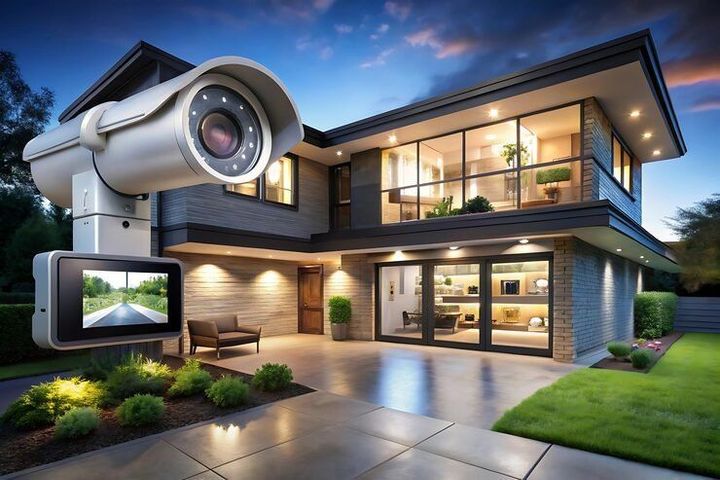
Bullet cameras: Cylindrical cameras often used to monitor entrances, boundaries, parking areas, and outdoor spaces.
PTZ cameras: Pan-tilt-zoom cameras that can change direction and magnification through supported controls.
IP cameras: Digital cameras that transmit video over an internet protocol network, including local networks.
Wireless cameras: Cameras that transmit video wirelessly, although they may still require a wired power connection.
Thermal cameras: Devices that detect differences in infrared radiation to produce thermal images, which can support monitoring in certain visibility conditions.
Each camera type serves different purposes. For example, a fixed camera can monitor a particular entrance, while a PTZ camera can cover a wider area through controlled movement.
Importance
CCTV camera systems are used to observe locations, document incidents, and support security procedures. They can help property owners, facility managers, transport operators, and public institutions understand activity in monitored areas. Their usefulness depends on camera placement, image quality, recording arrangements, maintenance, and responsible handling of footage.
Video monitoring may also help clarify events such as unauthorized entry, property damage, workplace incidents, or disputes about what occurred in a particular location. However, a camera does not prevent every incident, identify every person accurately, or replace physical security measures and appropriate human oversight.
Security Benefits and Practical Uses
CCTV monitoring can support several everyday activities:
Property monitoring: Observing entrances, corridors, parking areas, and building boundaries.
Incident review: Examining recorded footage to establish the sequence of visible events.
Workplace safety: Monitoring designated operational areas for hazards or unsafe activities, subject to applicable rules.
Access management: Reviewing activity near entry points and coordinating with authorized access-control systems.
Remote observation: Viewing live video from an authorized computer or mobile device when the system supports remote access.
Operational monitoring: Observing equipment areas, storage facilities, and production environments.
CCTV can be useful in residential buildings, retail premises, educational institutions, warehouses, manufacturing plants, hospitals, and public transport facilities. Each setting requires different coverage, retention arrangements, and access controls.
Comparing CCTV Camera Features
The following table outlines common features and their practical applications.
| Feature | Main function | Practical consideration |
|---|---|---|
| High-resolution video | Captures more image detail | Image clarity also depends on lighting and lens quality |
| Night vision | Supports imaging in low-light conditions | Effective range and image detail vary by device |
| Motion detection | Identifies changes in a camera's view | Moving objects, shadows, and environmental changes can trigger alerts |
| Remote viewing | Displays footage through an authorized device | Requires secure access and suitable connectivity |
| Local recording | Stores footage on a recorder or memory device | Storage capacity and retention settings matter |
| Cloud recording | Stores footage on a remote platform | Internet access, account security, and subscription terms may apply |
| PTZ control | Changes camera direction and zoom | Moving the camera can leave other areas outside its view |
| Audio recording | Captures sound when supported | Audio monitoring can raise additional privacy and legal concerns |
Feature availability varies across systems. Technical specifications alone do not establish how effectively a camera will perform in a particular environment.
Recent Updates
CCTV technology has increasingly incorporated network connectivity, automated video analysis, improved low-light imaging, and integrated security management. Developments from 2024 through 2026 reflect a broader movement toward systems that combine cameras with access controls, alarms, network monitoring, and centralized video management. Features and implementation practices differ by manufacturer, installation, and location.
Artificial Intelligence and Smart Monitoring
Some modern surveillance systems use artificial intelligence to classify detected objects, distinguish certain movement patterns, or identify events that match configured rules. Depending on the system, these capabilities may help reduce irrelevant notifications or make recorded footage easier to search.
Automated analysis has limitations. Poor lighting, unusual camera angles, environmental conditions, and differences in appearance can affect results. Facial recognition and other biometric features also raise additional accuracy, fairness, and privacy questions, so their use requires particular attention to applicable law and the purpose of monitoring.
Network Security and Connected Cameras
IP cameras can integrate with local networks and remote monitoring platforms. This makes centralized access possible, but it also creates cybersecurity responsibilities. Weak passwords, outdated firmware, unnecessary remote access, and incorrectly configured networks can expose cameras or recordings to unauthorized access.
Practical safeguards include changing default credentials, enabling multifactor authentication when available, installing security updates, restricting account permissions, and separating surveillance devices from sensitive business networks where appropriate. Organizations should also review vendor documentation, recording locations, data retention settings, and access logs.
Storage and Image Quality
Modern systems may use network video recorders, digital video recorders, memory cards, or remote storage platforms. The appropriate arrangement depends on the number of cameras, recording resolution, frame rate, recording schedule, and required retention period.
Higher resolution can capture additional detail, but it also increases storage and network requirements. Good camera placement, suitable lighting, and correct configuration remain important even when a system includes advanced image processing.
Laws or Policies
CCTV use is shaped by local laws concerning privacy, personal data, workplace monitoring, property access, and surveillance in public spaces. The legal requirements depend on where cameras are installed, what they record, how footage is used, and whether the system captures identifiable people or audio.
CCTV Rules and Privacy in India
In India, CCTV installations may be subject to different legal requirements depending on their setting and purpose. Property owners and organizations should consider applicable constitutional privacy principles, relevant court decisions, sector-specific requirements, and local rules. Installing a camera on privately owned premises does not automatically remove the privacy interests of employees, visitors, residents, or members of the public.
India's Digital Personal Data Protection Act, 2023, forms part of the country's personal data protection framework. Its application to particular surveillance activities depends on the relevant provisions, commencement arrangements, rules, and circumstances. Organizations handling identifiable video footage should assess their applicable obligations rather than assume every CCTV installation is treated identically.
Responsible Installation and Recording
Practical considerations include:
Purpose: Define a legitimate reason for monitoring each area.
Placement: Avoid unnecessary capture of private spaces, including neighboring homes and sensitive areas.
Notice: Provide appropriate information or signage where required by law or circumstances.
Access: Restrict recordings to authorized individuals and protect them against unauthorized disclosure.
Retention: Keep footage only as long as appropriate for the purpose and applicable requirements.
Audio: Assess separate legal and privacy implications before enabling sound recording.
Disclosure: Follow applicable rules when sharing footage with authorities, employees, residents, or other parties.
For workplaces, schools, residential communities, and public facilities, additional policies may apply. Legal requirements can change, so current official guidance and qualified legal advice may be relevant for complex installations.
Tools and Resources
CCTV planning involves selecting equipment, assessing coverage, managing recordings, and maintaining security settings. Several technical resources can help with these tasks.
Camera Planning and Monitoring Software
Camera manufacturers commonly provide configuration applications for viewing live footage, adjusting camera settings, managing alerts, and reviewing recordings. Video management software can combine compatible cameras into one monitoring interface, although interoperability varies between devices and manufacturers.
Network planning tools can help assess connectivity, while storage calculators can estimate recording capacity based on camera count, resolution, frame rate, compression, and recording duration. These estimates depend on the actual configuration and the amount of motion in the recorded scenes.
Official Guidance and Technical Resources
The Indian Computer Emergency Response Team (CERT-In) publishes cybersecurity advisories and guidance relevant to protecting connected systems. Manufacturer documentation can also explain firmware updates, supported encryption, authentication options, recording formats, and device compatibility.
A basic CCTV planning worksheet can include the following fields:
Location and purpose of each camera.
Required viewing area and lighting conditions.
Camera type, resolution, and night-vision capability.
Recording method and expected retention period.
Network connection and power requirements.
Authorized users and access permissions.
Maintenance schedule and software update status.
This information helps maintain a consistent record of system design and ongoing operational needs.
FAQs
What is a CCTV camera system and how does it work?
A CCTV camera system captures video and transmits it to designated monitoring devices or recording equipment. Depending on the configuration, it can support live viewing, recorded playback, motion alerts, or remote monitoring.
What are the main security benefits of CCTV cameras?
CCTV cameras can support property monitoring, incident documentation, access-point observation, and review of recorded events. Their effectiveness depends on coverage, image quality, system maintenance, and appropriate security procedures.
Which CCTV camera features are useful for home security?
Common features include night vision, motion detection, remote viewing, local recording, and mobile alerts. The relevant features depend on the areas being monitored, available connectivity, privacy needs, and recording requirements.
Are CCTV cameras legal to install in India?
CCTV installation is generally possible in many settings, but privacy, data protection, workplace rules, and other legal requirements may apply. Camera placement, audio recording, access to footage, and the use of identifiable recordings require particular attention.
How long should CCTV footage be stored?
There is no single retention period suitable for every installation. The appropriate period depends on the monitoring purpose, storage capacity, applicable rules, and any legitimate need to preserve footage relating to an incident.
Conclusion
CCTV camera systems combine video capture, monitoring, and recording to support security and operational awareness in many environments. Features such as night vision, motion detection, remote access, and automated analysis serve different purposes and have practical limitations. Responsible installation requires attention to cybersecurity, privacy, recording retention, and applicable Indian laws. Camera selection and system configuration depend on the location, monitoring objectives, and the information that needs to be recorded.