Commercial Washing Machine Overview: Working Methods, Features, Capacity and Usage
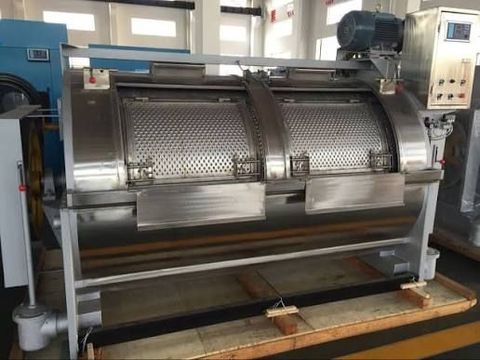
A commercial washing machine is designed to handle repeated laundry loads in settings where washing takes place on a regular and often larger scale. These machines are commonly used in laundries, accommodation facilities, healthcare environments, textile operations, institutional facilities, and other workplaces where garments, linens, uniforms, or fabrics need to be processed.
Context
Unlike many household washing machines, commercial equipment is generally designed around higher usage levels, different load capacities, and more flexible washing programs. Some machines are configured for moderate workloads, while larger units are designed for substantial textile loads and continuous laundry operations.
The basic washing process remains familiar. Water, mechanical movement, temperature, and cleaning agents work together to remove soil from fabric. After washing, the machine normally drains the water and performs one or more rinsing and extraction stages.
Modern commercial washing machines can include programmable controls, variable washing temperatures, adjustable extraction speeds, automatic dosing systems, load detection, water-level controls, and electronic monitoring. The exact combination depends on the machine design and intended application.
How a commercial washing machine works
A typical washing cycle can be divided into several stages. First, the laundry is placed into the drum and the appropriate program is selected. Water then enters the machine, while detergent or another cleaning agent may be introduced according to the selected program.
The drum rotates or alternates its movement, allowing the textiles to move through the water and cleaning solution. This mechanical action helps loosen and remove soil from the fabric.
After the main washing stage, the machine drains the used water and introduces fresh water for rinsing. The final extraction stage rotates the drum at a higher speed to remove a portion of the remaining water before the textiles are transferred to drying or finishing equipment.
Common machine categories
Commercial washing machines can be grouped according to their loading arrangement, capacity, control system, and intended application.
| Machine characteristic | Typical consideration |
|---|---|
| Loading arrangement | Front-loading or other drum configurations |
| Capacity | Selected according to typical laundry load |
| Washing control | Manual, programmable, or automated |
| Extraction | Different spin speeds depending on design |
| Heating | Electric, steam, hot-water, or other configurations |
| Installation | Freestanding, hard-mounted, or specialized setups |
| Application | Laundry, accommodation, healthcare, textile, or institutional use |
Importance
Commercial laundry equipment matters because large or repeated laundry workloads require consistent processing. Washing individual loads manually or relying entirely on household-scale equipment can become impractical when facilities handle substantial quantities of textiles.
The equipment is relevant to organizations that process bedding, towels, uniforms, workwear, garments, reusable textiles, or other washable materials. The required machine configuration depends on the type of fabric, expected load pattern, available utilities, and required washing process.
Capacity and workload
Capacity is one of the main characteristics of a commercial washing machine. It generally refers to the amount of dry textile material that the machine can process during a cycle, commonly expressed in kilograms or pounds.
Choosing capacity involves understanding the typical load rather than simply selecting the largest available drum. An undersized machine may require more cycles, while a machine that is consistently operated with unsuitable loads may not process textiles efficiently.
Important capacity considerations include:
- Typical daily laundry volume
- Average load size
- Type and weight of textiles
- Number of washing cycles required
- Available floor area
- Water and drainage arrangements
- Electrical or heating requirements
- Expected extraction requirements
Washing methods
Different commercial washing machines use different combinations of mechanical movement, water temperature, detergent concentration, and cycle duration.
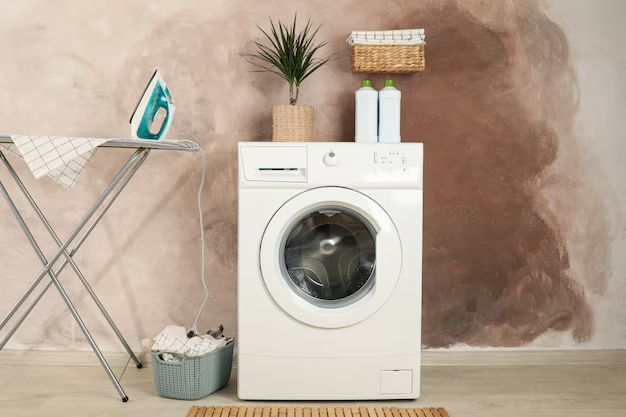
Front-loading machines commonly rotate a horizontal drum that lifts and drops textiles through the washing solution. Other configurations use different mechanical movement patterns.
Temperature also affects washing. Some fabrics require relatively low temperatures, while particular textile-processing applications may use higher temperatures according to established procedures and fabric requirements.
The washing program should therefore correspond to the textile being processed rather than relying on one universal cycle.
Features and controls
Modern machines may provide a range of controls designed to manage different washing conditions. Common features include programmable cycles, adjustable water levels, temperature controls, extraction-speed settings, automatic chemical dosing, imbalance detection, and fault notifications.
Programmable controls are particularly relevant where different categories of textiles need different treatment. A facility might use separate programs for heavily soiled workwear, towels, bedding, delicate textiles, or routine garments.
Some systems can also record operating information. Depending on the equipment, this may include cycle counts, water usage, temperature information, program selection, or diagnostic information.
Recent Updates
Commercial washing equipment has continued to develop around energy and water management, electronic controls, automation, and measurement. Manufacturers and regulators have increasingly focused on how washing equipment is tested and how energy and water performance is represented.
In the United States, for example, the Department of Energy updated test procedures for residential and commercial clothes washers, including changes to test-cloth specifications. The amendments became effective in 2025, with mandatory product testing requirements following later that year.
The broader trend is toward more standardized measurement. Testing procedures are important because manufacturers, regulators, laboratories, and purchasers need consistent methods for comparing equipment characteristics.
Water and energy management
Water and energy use have become important considerations in commercial laundry operations. Machine controls can adjust water levels, washing stages, temperatures, and extraction processes according to the selected program.
Higher extraction can also influence the amount of water remaining in textiles after washing. This can affect subsequent drying requirements, although the appropriate extraction level depends on fabric characteristics and equipment configuration.
Some commercial washing machines also incorporate sensors and programmable controls that adjust aspects of the cycle according to the load or selected program.
Digital controls and monitoring
Electronic interfaces have become increasingly common in commercial laundry equipment. Touchscreen controls, programmable recipes, cycle monitoring, diagnostic information, and data connections can help operators understand how equipment is being used.
However, digital features do not automatically determine washing performance. Mechanical design, water conditions, detergent chemistry, textile type, loading practices, and cycle configuration continue to influence results.
Laws or Policies
Commercial washing machines can be affected by regulations concerning energy efficiency, water consumption, electrical safety, product testing, labeling, workplace safety, and environmental requirements. The exact rules vary according to the jurisdiction where the equipment is manufactured, installed, or operated.
Energy-efficiency regulations may establish minimum performance requirements for covered equipment. Regulators can also establish standardized test procedures so that manufacturers use consistent methods when determining product performance.
For example, the U.S. Department of Energy currently identifies commercial clothes washers as equipment covered by federal energy-conservation standards and testing requirements. The applicable framework includes requirements for certification, compliance, enforcement, and record retention.
Regulatory programs can change over time. The Department of Energy has also been reviewing and modifying certain commercial clothes-washer requirements, including water-conservation provisions, which demonstrates why current regulatory documentation matters when evaluating compliance.
Installation and workplace considerations
Apart from product regulations, commercial laundry facilities may need to consider building requirements, electrical connections, drainage, ventilation, water supply, wastewater handling, and workplace safety.
Machines that use heated water, steam, gas, or high electrical loads can have additional installation requirements. These requirements should be considered alongside the manufacturer's technical documentation and applicable local rules.
Tools and Resources
Several resources can help readers understand commercial washing machines and evaluate technical information.
Manufacturer documentation
Technical manuals, installation guides, specification sheets, and operating instructions provide information about capacity, dimensions, electrical requirements, water connections, cycle settings, and installation conditions.
These documents are particularly useful because two machines with similar capacity ratings may have different utility requirements or operating configurations.
Efficiency databases
Energy-efficiency databases can provide information about qualifying commercial clothes washers and their measured performance. ENERGY STAR maintains a commercial clothes washer category and publishes product information and efficiency criteria.
Laundry planning worksheets
A basic laundry planning worksheet can help organize:
- Average daily textile volume
- Typical load weight
- Number of cycles
- Washing temperature requirements
- Water requirements
- Available electrical capacity
- Drainage arrangements
- Drying requirements
- Space and installation constraints
Such a worksheet can make it easier to compare operational requirements before examining specific machine specifications.
Regulatory databases
Government energy departments and regulatory databases can provide current information about testing procedures, efficiency standards, certification requirements, and proposed regulatory changes. The U.S. Department of Energy, for example, publishes commercial clothes-washer standards, test procedures, and compliance information.
FAQs
What is a commercial washing machine?
A commercial washing machine is laundry equipment designed for repeated or larger-scale washing applications. It is used in environments such as laundries, accommodation facilities, healthcare settings, institutions, and textile-related operations.
How does a commercial washing machine work?
A commercial washing machine normally combines water, mechanical drum movement, cleaning agents, temperature, rinsing, and extraction. Programmable controls determine how these stages are carried out for different textile types and washing requirements.
What capacity do commercial washing machines have?
Commercial washing machine capacity varies considerably by model and application. Capacity is commonly expressed in kilograms or pounds of dry textile load, and the appropriate range depends on typical laundry volume and the type of textiles being processed.
What features are found in a commercial washing machine?
Common features include programmable washing cycles, adjustable temperature and water levels, variable extraction speeds, automatic dosing, imbalance detection, electronic controls, cycle monitoring, and diagnostic functions. The available features vary between machine categories.
How can commercial washing machines reduce water and energy use?
Water and energy management can involve appropriate load sizes, programmed water levels, temperature control, efficient extraction, and washing cycles suited to the textile type. Equipment performance also depends on operating practices, utility conditions, and the applicable testing method.
Conclusion
A commercial washing machine combines controlled water use, mechanical movement, cleaning agents, temperature, rinsing, and extraction to process laundry in repeated-use environments. Capacity, washing method, controls, extraction, utility requirements, and textile type are important factors in understanding how the equipment operates. Recent developments have placed greater attention on standardized testing, water management, energy efficiency, and digital controls. Regulations and technical requirements vary by jurisdiction, making current product documentation and applicable regulatory information important parts of commercial laundry planning.