Commercial Water Treatment Systems: Types, Technologies, Applications, and Costs in the UAE Guide
Clean water is essential for businesses, manufacturing facilities, hospitality properties, healthcare institutions, and commercial buildings. However, water quality can vary depending on its source, mineral content, salinity, and potential contaminants. In the United Arab Emirates (UAE), where water management is particularly important due to the arid climate and reliance on desalination, effective treatment solutions can help businesses maintain water quality, protect equipment, and support operational efficiency.
Commercial water treatment involves a range of technologies designed to remove unwanted particles, reduce dissolved minerals, control microorganisms, and improve water characteristics for specific uses. The right solution depends on the incoming water quality, the required output, daily consumption, and applicable regulations. Understanding the available systems, filtration methods, treatment processes, and installation considerations helps businesses make informed decisions about their water infrastructure.
Understanding Commercial Water Treatment
Commercial water treatment refers to the processes and equipment used to improve water quality for business operations. Unlike small household units, commercial installations are designed to handle higher water volumes and may operate continuously across multiple outlets, departments, or production areas.
A commercial water treatment system can combine filtration, softening, disinfection, membrane separation, and chemical treatment, depending on the water source and intended application. For example, a hotel may require potable water treatment and scale control, while a food processing facility may need tighter control over suspended particles, microorganisms, and dissolved substances.
Treatment requirements should be established through water testing rather than assumptions. A laboratory analysis can identify hardness, total dissolved solids (TDS), pH, turbidity, and other relevant parameters, helping businesses select suitable equipment without paying for unnecessary treatment stages.
Common Types of Commercial Water Treatment Systems
Different treatment technologies address different water quality concerns. Some remove visible particles, while others target dissolved salts, hardness, or microorganisms. Businesses often combine several technologies to achieve the required water quality.
1. Filtration Systems
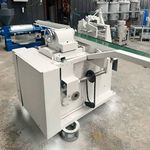
Filtration removes suspended particles and selected contaminants by passing water through suitable filter media. Depending on the design, filtration can reduce sediment, rust, and other unwanted material that may affect equipment, appearance, or downstream treatment performance. A commercial water filter is designed to remove specific impurities, such as sediment, chlorine, or suspended particles, from water used in businesses, restaurants, hotels, and industrial facilities. The appropriate filter depends on water quality, flow requirements, and the intended application.
A commercial water filtration system is typically selected according to flow rate, particle size, operating pressure, and the quality of the incoming water. Common options include sediment filters, multimedia filters, activated carbon filters, and specialized media filters. Commercial buildings may use these systems to protect plumbing, improve water clarity, and prepare water for more advanced treatment.
2. Water Softening Systems
Water softeners primarily reduce hardness caused by calcium and magnesium ions. Hard water can contribute to scale buildup in boilers, water heaters, cooling systems, dishwashers, and other equipment. Softening commonly uses ion-exchange resin, which exchanges hardness ions for sodium or potassium ions.
These systems are useful in hotels, laundries, commercial kitchens, and facilities with heat-transfer equipment. Businesses should assess regeneration requirements, salt consumption, wastewater generation, and the intended use of treated water before installation. Softening does not remove all contaminants, so additional filtration or disinfection may still be necessary.
3. Reverse Osmosis Systems
Reverse osmosis (RO) uses a semipermeable membrane and applied pressure to separate much of the dissolved material from water. Depending on feed-water conditions and system design, it can reduce dissolved salts and various other substances.
A reverse osmosis system for business may be suitable for restaurants, beverage production, laboratories, hospitality facilities, and selected industrial applications requiring lower-mineral water. RO systems typically need appropriate pretreatment, pressure controls, membrane maintenance, and management of the concentrated reject stream. Their performance depends on water chemistry, operating conditions, and the quality specifications of the intended application.
4. Disinfection Systems
Disinfection helps control disease-causing microorganisms in water. Common methods include ultraviolet (UV) treatment, chlorination, and, in selected applications, ozone treatment. Each method has different operating requirements and limitations.
UV systems require suitable water clarity and maintenance of the lamp and sleeve. Chlorination can provide a residual disinfectant throughout a distribution network when properly designed and monitored. Ozone is a strong oxidant but generally does not provide a lasting disinfectant residual. The correct approach depends on the water source, storage arrangements, distribution system, and applicable public-health requirements.
5. Specialized Treatment Technologies
Some commercial operations need additional technologies to address specific water quality challenges. These may include ultrafiltration membranes, iron and manganese removal media, demineralization systems, pH adjustment, or chemical dosing equipment.
Specialized systems should be selected only after the relevant contaminants and treatment objectives have been identified. Combining compatible technologies can improve performance, but excessive treatment stages may increase capital costs, maintenance demands, and energy consumption without providing meaningful benefits.
Common Filtration Methods in Commercial Water Treatment
1. Sediment Filtration
Sediment filtration uses cartridges or filter media to remove suspended particles such as sand, rust, dirt, and silt. It is commonly used in hotels, restaurants, commercial buildings, and industrial facilities to protect pipes and downstream treatment equipment from clogging.
2. Multimedia Filtration
Multimedia filtration passes water through layers of materials, such as anthracite, sand, and gravel, to capture suspended solids and reduce turbidity. It is suitable for facilities handling larger water volumes and is often used as pretreatment before reverse osmosis or other advanced processes.
3. Activated Carbon Filtration
Activated carbon filters use a porous material to adsorb chlorine, certain organic compounds, and substances that can affect water taste and odour. They are frequently used in food service, hospitality, and commercial drinking-water applications. Their effectiveness depends on the contaminant, contact time, and carbon quality.
4. Membrane Filtration
Membrane filtration separates particles and other substances according to membrane pore size and operating conditions. Microfiltration and ultrafiltration can remove suspended particles and many microorganisms, while nanofiltration can reduce selected dissolved substances. These methods are used in commercial facilities requiring more controlled water quality.
5. Reverse Osmosis Filtration
Reverse osmosis uses pressure to force water through a semipermeable membrane, reducing dissolved salts and various other contaminants. It is useful for restaurants, beverage production, laboratories, and industrial processes requiring lower-mineral water. Pretreatment and regular membrane maintenance help maintain system performance.
6. Ion-Exchange Filtration
Ion-exchange systems use specialized resins to exchange selected ions in water. Water softeners, for example, remove calcium and magnesium ions responsible for hardness. Other ion-exchange systems can reduce specific dissolved ions for industrial applications, including selected boiler-feed and process-water requirements.
7. Ceramic Filtration
Ceramic filters pass water through a porous ceramic material that captures particles and, depending on pore size and design, some microorganisms. They are used in selected drinking-water applications but may not be suitable as a standalone solution for large commercial facilities or water containing high levels of dissolved salts.
8. Iron and Manganese Filtration
Specialized media filters help remove iron and manganese that can cause staining, discolouration, deposits, and unpleasant water characteristics. These systems are particularly relevant when groundwater contains elevated concentrations of these minerals. The treatment design depends on their concentration, water chemistry, and whether oxidation or pH adjustment is needed.
How Commercial Water Treatment Plants Operate
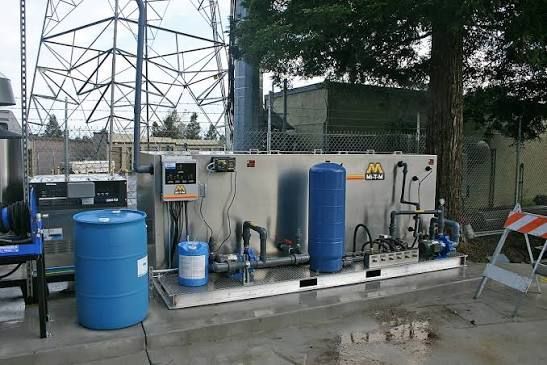
A water treatment plant is an organized arrangement of equipment that processes incoming water through a sequence of treatment stages. The configuration depends on whether the source is municipal water, groundwater, seawater, or wastewater intended for reuse.
A typical system may include the following components and processes.
1. Pre-treatment: Screens, sediment filters, and multimedia filters remove larger particles and suspended solids. This stage helps protect sensitive equipment, especially membrane systems, from premature fouling and unnecessary wear.
2. Primary treatment: Depending on the water analysis, the system may use activated carbon, water softening, chemical dosing, or other processes to reduce specific contaminants and prepare water for subsequent treatment.
3. Advanced treatment: RO membranes, ultrafiltration, demineralization, or other technologies provide additional treatment where the application requires lower dissolved solids, finer particle removal, or more controlled water characteristics.
4. Disinfection and storage: UV, chlorine, or another appropriate method may be used to control microorganisms. Treated water can then be stored in suitable tanks and distributed through pumps and pipes designed to maintain the required quality.
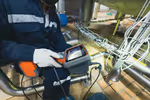
5. Monitoring and control: Flow meters, pressure gauges, sensors, and control panels help operators track system performance. Regular monitoring can identify problems such as pressure changes, filter blockage, or declining membrane performance.
Not every plant requires all these stages. A qualified designer should determine the treatment sequence based on source-water conditions, intended use, and the required output quality.
Applications Across Commercial and Industrial Sectors
Water quality requirements vary considerably between industries. Selecting a system according to the application helps businesses avoid unnecessary expenditure and supports reliable operations.
1. Hotels and restaurants: Filtration, softening, and appropriately designed drinking-water systems can improve water consistency and help protect coffee machines, ice makers, dishwashers, and kitchen equipment from sediment and scale.
2. Healthcare and laboratories: These facilities may require carefully controlled water quality for cleaning, laboratory procedures, or selected equipment. The necessary treatment level depends on the specific process and applicable standards.
3. Manufacturing facilities: Industrial water treatment refers to treating water used in production, cooling, boiler feed, equipment cleaning, or other industrial processes. Depending on the industry, this may involve RO, demineralization, chemical conditioning, and wastewater treatment.
4. Commercial buildings: Offices, shopping centres, schools, and residential complexes with shared facilities may use filtration and softening to protect plumbing and improve water quality at selected outlets.
5. Food and beverage production: Treatment systems help maintain consistent process water. The design must account for product requirements, hygiene controls, and applicable food-safety standards.
Role of Reverse Osmosis Systems in Commercial Water Treatment
1. Reduction of Dissolved Salts: Reverse osmosis systems use semipermeable membranes to reduce dissolved salts, minerals, and various other contaminants. They help businesses obtain water with lower total dissolved solids (TDS) for applications requiring controlled water quality.
2. Support for Food and Beverage Businesses: Restaurants, cafés, hotels, and beverage manufacturers use reverse osmosis to produce water with more consistent mineral content. The treated water can support beverage preparation, cooking, and selected production processes, depending on the required quality standards.
3. Protection of Commercial Equipment: By reducing dissolved minerals, RO systems can help limit scale formation in suitable applications. When combined with appropriate pretreatment and maintenance, they can support the performance of equipment such as steam systems, commercial kitchens, and selected manufacturing machinery.
4. Industrial Process Applications: In industrial water treatment, RO systems provide treated water for manufacturing, boiler-feed pretreatment, laboratories, and other processes that require lower dissolved-solids levels. The final water quality depends on feed-water conditions, membrane performance, and whether additional treatment is required.
5. Pretreatment and System Integration: Commercial RO installations commonly use sediment filtration, activated carbon, or water softening before the membrane stage. These processes help manage particles, chlorine, or hardness that could damage or foul membranes. Additional disinfection or polishing may be needed after RO.
6. Water Management and Operating Costs: RO systems can improve water quality, but they also consume energy and generate a concentrated reject-water stream. Businesses should evaluate recovery rates, electricity use, membrane replacement, main
Benefits of Commercial Water Treatment
A properly designed system can deliver operational and financial advantages. However, results depend on the source water, equipment selection, installation quality, and maintenance practices.
1. Equipment protection: Reducing sediment and controlling hardness can help limit scale accumulation, clogging, and wear in selected equipment, potentially reducing avoidable maintenance and downtime.
2. Consistent water quality: Treatment can help businesses maintain more predictable water characteristics for food preparation, beverages, cleaning, manufacturing, and other water-dependent processes.
3. Operational efficiency: Automated controls, suitable pretreatment, and scheduled maintenance can make treatment easier to manage. Monitoring can also help operators identify declining performance before it causes a major disruption.
4. Application-specific water quality: Combining suitable technologies allows businesses to treat water according to its intended purpose rather than applying the same process to every outlet or operation.
5. Wastewater management opportunities: Some facilities can reuse appropriately treated wastewater for approved non-potable applications, such as selected irrigation or utility uses, subject to local requirements and adequate treatment.
Estimated Commercial Water Treatment Costs in the UAE
Commercial water treatment costs in the UAE vary according to capacity, incoming water quality, technology, automation, installation requirements, and ongoing service needs. The following figures are indicative planning estimates, not fixed quotations.
1. Compact Commercial RO System: Estimated cost of AED 2,500–6,000.
2. Commercial RO System (Approximately 200–500 GPD): Estimated installed cost of AED 3,500–15,000.
3. Commercial Water Softener: Estimated installed cost of AED 4,000–20,000.
4. Larger Industrial RO Installation: Estimated cost of AED 40,000–200,000 or more.
5. Annual Maintenance for a Small Commercial System: Estimated cost of AED 1,500–4,500.
These ranges are indicative and may overlap because systems differ in specifications and installation scope. UAE supplier listings include commercial RO products priced around AED 2,500–5,000, while estimates for installed commercial RO systems and commercial softeners may range from AED 3,500–15,000 and AED 4,000–20,000, respectively. Larger industrial projects can cost substantially more.
Before comparing quotations, confirm whether the price includes pretreatment, pumps, storage tanks, piping, electrical work, commissioning, taxes, and maintenance. Businesses should also account for replacement filters, membrane cleaning or replacement, electricity, treatment chemicals, and wastewater disposal.
Commercial Water Treatment Providers in the UAE
Businesses can explore UAE-based suppliers and service providers for commercial filtration, industrial RO, water softening, and customized treatment plants. The examples below are starting points for requesting specifications and quotations.
1. Al Naqi Water
Al Naqi Water supplies commercial RO filters and industrial systems in the UAE, with product options for different capacities. Published listings include a 400 GPD commercial RO system at approximately AED 2,800 and an 800 GPD model around AED 4,800–5,999, depending on the listing.
2. Golden Drop Water Filter
Golden Drop Water Filter offers commercial RO systems and UV sterilization equipment. Its published listings include a 200 GPD RO system for approximately AED 2,500, a 400 GPD unit for AED 3,500, and a 3,000 GPD system for AED 5,000. Confirm current availability and installation charges.
3. UltraTec
UltraTec provides commercial and industrial treatment solutions, including RO plants, multimedia filtration, and water softeners. Its capabilities include systems for commercial and industrial flow requirements. Pricing is quotation-based for customized installations.
4. Sovereign Water
Sovereign Water offers commercial treatment solutions, including RO, softening, filtration, UV disinfection, and industrial RO systems. Its industrial systems are configured around site-specific water analysis and demand, with pricing available by quotation.
5. HTS Water
HTS Water provides industrial RO plant solutions for applications involving groundwater, brackish water, seawater, and higher-volume treatment. Indicative industrial RO pricing may range from AED 40,000 to AED 200,000 or more, depending on capacity and customization.
These companies illustrate different options rather than a ranking. When evaluating a water treatment plant contractor, ask for relevant project experience, water-analysis capabilities, installation scope, commissioning procedures, warranties, spare-parts availability, and after-sales support. Verify that the proposed equipment and installation meet the requirements applicable to your facility.
Tips for Selecting and Maintaining a System
Choosing the right equipment involves more than comparing purchase prices. Businesses should evaluate water quality, demand, operating conditions, and the resources needed to keep the system functioning reliably.
1. Test the incoming water: Obtain a suitable laboratory analysis before choosing equipment. Check parameters relevant to your application, such as hardness, TDS, turbidity, pH, and microbiological quality where applicable.
2. Calculate demand accurately: Estimate average daily consumption and peak flow rates. A system that is too small may struggle during busy periods, while unnecessary oversizing can increase capital and operating expenses.
3. Compare total ownership costs: Review equipment prices alongside energy use, consumables, membrane replacement, servicing, wastewater generation, and expected equipment life. Request itemized quotations so that competing proposals can be compared fairly.
4. Plan maintenance access: Install equipment where technicians can safely reach filters, valves, pumps, and membranes. Follow the manufacturer's service intervals and maintain records of water tests, pressure readings, filter changes, and system performance.
5. Confirm local requirements: Discuss relevant water-quality, plumbing, building, discharge, and reuse requirements with the supplier and appropriate UAE authorities. Requirements may vary by emirate, facility type, and intended use.
Conclusion
Commercial water treatment systems help UAE businesses manage water quality across hospitality, healthcare, manufacturing, food production, and commercial buildings. Available technologies include filtration, softening, reverse osmosis, disinfection, and specialized treatment processes, which can be combined according to the water source and application.
The most suitable solution is one supported by water testing, accurate demand calculations, transparent cost estimates, and a realistic maintenance plan. By comparing system performance and lifecycle costs—not just the initial purchase price—businesses can choose treatment equipment that supports reliable operations and their specific water-quality objectives.