Complete Overview of Plastic Molding Machines and Their Manufacturing Benefits
Plastic products are a part of everyday life. From food containers and household items to automotive components and medical equipment, plastic materials are used in countless applications. Behind the production of many of these products are Plastic Molding Machines, which play a vital role in modern manufacturing.
These machines help manufacturers create plastic parts with consistent shapes, dimensions, and quality. As industries continue to demand higher production efficiency and product accuracy, Plastic Molding Machines have become an essential part of manufacturing facilities around the world.
This article provides a complete overview of Plastic Molding Machines, how they work, their different types, applications, benefits, and their importance in modern production environments.
What Are Plastic Molding Machines?
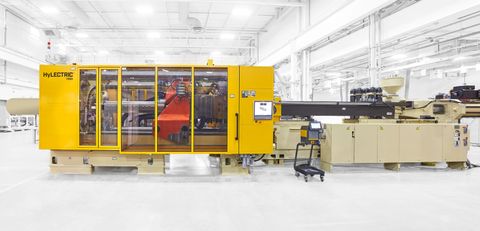
Plastic Molding Machines are industrial systems designed to shape plastic materials into specific forms. The process involves heating plastic material until it becomes moldable and then forming it into a desired shape using molds and controlled pressure.
Once the material cools and solidifies, it retains the shape of the mold cavity.
These machines allow manufacturers to produce large quantities of plastic components efficiently while maintaining consistency throughout production.
Why Plastic Molding Machines Matter
Manufacturing industries often require products with precise dimensions and repeatable quality. Producing these items manually would be difficult, especially when large quantities are needed.
Plastic Molding Machines help address these challenges by automating much of the production process. They support faster production cycles, consistent results, and the creation of complex designs that may be difficult to achieve through other methods.
As product designs become more advanced, the role of molding technology continues to expand across multiple industries.
How Plastic Molding Machines Work
Although different molding technologies exist, the general process follows several basic steps.
Material Preparation
Plastic raw materials, usually in pellet or granule form, are prepared for processing.
Heating Process
The material is heated until it becomes soft enough to flow into a mold.
Mold Filling
The softened plastic is transferred into a mold cavity that contains the desired product shape.
Cooling Stage
After filling the mold, the material cools and hardens.
Product Removal
The finished component is removed from the mold for inspection and any additional finishing steps.
This process allows manufacturers to produce identical products repeatedly with high accuracy.
Main Types of Plastic Molding Machines
Different manufacturing requirements call for different molding technologies.
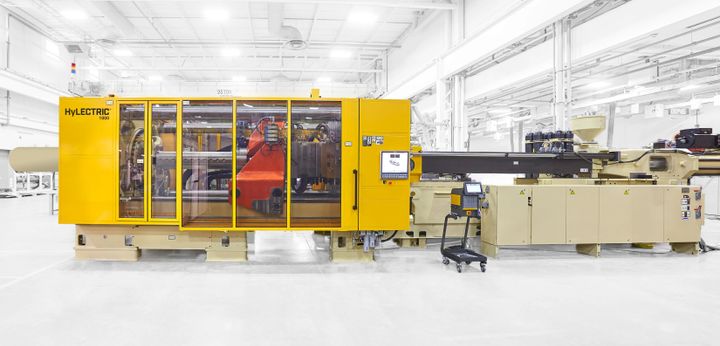
Injection Molding Machines
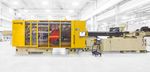
Injection molding is one of the most widely used plastic manufacturing methods.
The machine injects molten plastic into a mold under pressure. After cooling, the finished part is removed.
Common products include:
Plastic containers
Electronic housings
Automotive parts
Medical components
Blow Molding Machines
Blow molding is commonly used to create hollow plastic products.
Examples include:
Bottles
Containers
Fuel tanks
Storage vessels
The process uses air pressure to expand heated plastic into a mold.
Compression Molding Machines
Compression molding shapes plastic materials using heat and pressure.
This method is often used for larger components and specialized industrial products.
Rotational Molding Machines
Rotational molding creates hollow products by rotating molds while heating plastic materials.
Applications include:
Water tanks
Industrial containers
Outdoor equipment
Extrusion Molding Machines
Extrusion processes continuously force plastic material through a shaped opening.
Common products include:
Pipes
Tubes
Profiles
Sheets
Each molding technology supports different production requirements and product designs.
Components of Plastic Molding Machines
Several key components work together during the molding process.
Hopper
The hopper stores and feeds plastic material into the machine.
Heating Unit
This section melts or softens the plastic material.
Injection or Forming System
The machine moves the material into the mold.
Mold Assembly
The mold determines the final shape of the product.
Cooling System
Cooling systems help solidify the material before removal.
Control Panel
Operators use the control system to manage machine settings and monitor production.
These components contribute to efficient and reliable machine operation.
Manufacturing Benefits of Plastic Molding Machines
Plastic Molding Machines provide numerous advantages across different industries.
Consistent Product Quality
One major benefit is the ability to produce parts with consistent dimensions and appearance.
This consistency is important when manufacturing large quantities of products.
High Production Efficiency
Automated processes help increase output and reduce production time.
Reduced Material Waste
Modern molding systems optimize material usage through controlled processing techniques.
Complex Design Capabilities
Plastic Molding Machines can create detailed shapes, curves, textures, and features that may be difficult to achieve through manual production methods.
Scalability
Manufacturers can increase production volumes while maintaining product consistency.
Improved Repeatability
Once machine settings are established, similar products can be manufactured repeatedly with minimal variation.
Industries That Use Plastic Molding Machines
Plastic Molding Machines support a wide variety of industries.
Automotive Industry
Plastic components are widely used in modern vehicles.
Examples include:
Dashboard components
Interior trim parts
Lighting housings
Fluid reservoirs
Medical Industry
Medical products often require precise manufacturing.
Applications include:
Diagnostic equipment components
Medical containers
Laboratory products
Consumer Goods Manufacturing
Many everyday products are created using molding technology.
Examples include:
Household containers
Kitchen products
Storage solutions
Personal care items
Packaging Industry
Plastic packaging remains a major application area for molding machines.
Industrial Manufacturing
Industrial sectors use molded plastic components for machinery, equipment, and infrastructure applications.
Factors to Consider When Selecting Plastic Molding Machines
Several factors influence machine selection.
Production Volume
Expected production output helps determine machine capacity requirements.
Product Complexity
Complex designs may require specialized molding technologies.
Material Compatibility
Different machines support different plastic materials.
Mold Requirements
Mold size and configuration influence machine selection.
Automation Features
Advanced automation may improve production consistency and operational efficiency.
Careful evaluation helps ensure the machine aligns with manufacturing objectives.
Maintenance and Operational Considerations
Regular maintenance helps maintain machine performance and reliability.
Important maintenance activities include:
Cleaning machine components
Inspecting molds
Checking heating systems
Monitoring hydraulic systems
Verifying control settings
Replacing worn parts when necessary
Preventive maintenance can help reduce unexpected interruptions and support long-term equipment performance.
Future Trends in Plastic Molding Technology
The plastic manufacturing industry continues to evolve through technological advancements.
Smart Manufacturing
Connected machines provide production data that supports monitoring and process optimization.
Automation Integration
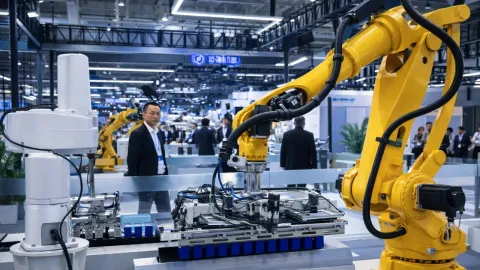
Robotic systems are increasingly used alongside molding machines.
Energy Efficiency Improvements
Manufacturers continue developing equipment designed to reduce energy consumption.
Advanced Materials Processing
New materials require updated molding technologies and process controls.
Digital Production Monitoring
Modern control systems allow operators to monitor machine performance in real time.
These developments continue to improve manufacturing capabilities and production efficiency.
Conclusion
Plastic Molding Machines play a crucial role in modern manufacturing by helping industries produce consistent, accurate, and efficient plastic products. From automotive and medical applications to packaging and consumer goods, these machines support a wide range of production needs.
With various molding technologies available, manufacturers can select equipment suited to their specific requirements. As automation, digital monitoring, and advanced materials continue to shape the manufacturing landscape, Plastic Molding Machines will remain an important part of industrial production and product development for years to come.