Discover How CNC Machines Improve Precision and Production Efficiency
Modern manufacturing depends heavily on accuracy, consistency, and productivity. As industries continue to produce increasingly complex components, traditional machining methods are often combined with advanced technologies to meet growing demands. One of the most important innovations in manufacturing is the use of CNC Machines.
CNC Machines have transformed the way products are designed, shaped, and manufactured. From automotive components and aerospace parts to medical equipment and industrial machinery, these systems play a significant role in modern production environments. Understanding how CNC Machines work and the advantages they provide can help businesses, students, and industry professionals appreciate their impact on manufacturing processes.
What Are CNC Machines?
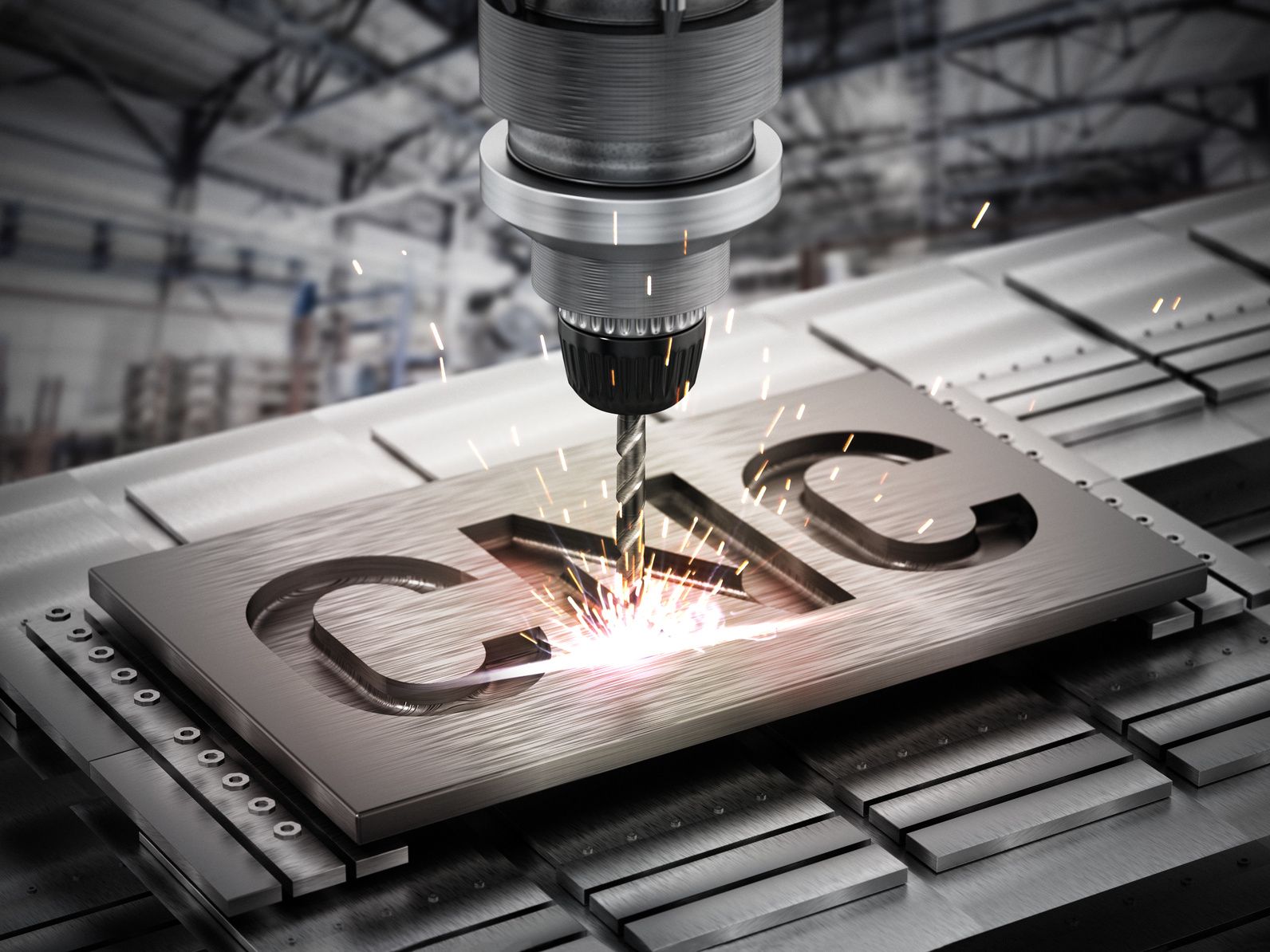
CNC stands for Computer Numerical Control. CNC Machines are automated manufacturing systems that use computer programs to control machining tools and equipment.
Instead of relying entirely on manual operation, CNC technology allows machines to perform cutting, drilling, milling, turning, engraving, and shaping tasks according to programmed instructions.
The computer controls movement, speed, and positioning with a high degree of accuracy, helping manufacturers produce consistent results across multiple production cycles.
The Evolution of CNC Technology
Before CNC technology became widely available, machine operators manually controlled machining equipment using hand-operated controls and mechanical systems.
While skilled operators could achieve accurate results, manual machining often required more time and introduced greater variation between parts.
The introduction of computerized controls changed manufacturing significantly. CNC Machines enabled automated operations that improved consistency, reduced manual intervention, and increased production capabilities.
Today, CNC technology continues to evolve with advanced software, automation features, and integration with digital manufacturing systems.
How CNC Machines Work
The operation of CNC Machines involves several key steps.
Design Creation
The process begins with a digital design created using Computer-Aided Design (CAD) software.
This design defines the dimensions and specifications of the desired component.
Program Development
The design is converted into machine instructions using Computer-Aided Manufacturing (CAM) software.
The program tells the machine how to move, where to cut, and what operations to perform.
Machine Setup
Materials are secured on the machine, and the appropriate tools are installed.
Automated Machining
The CNC Machine follows programmed instructions to create the required component.
Inspection and Finishing
Finished parts may undergo quality inspections and additional finishing processes if necessary.
This structured workflow helps ensure accuracy throughout production.
Common Types of CNC Machines
Different manufacturing applications require different types of CNC equipment.
CNC Milling Machines
Milling machines use rotating cutting tools to remove material from a workpiece.
These machines are commonly used to create complex shapes and surfaces.
CNC Lathes
Lathes rotate the workpiece while cutting tools shape the material.
They are frequently used for cylindrical components.
CNC Routers
Routers are commonly used for cutting and shaping materials such as wood, plastics, and composites.
CNC Plasma Cutters
These machines use plasma technology to cut metal materials efficiently.
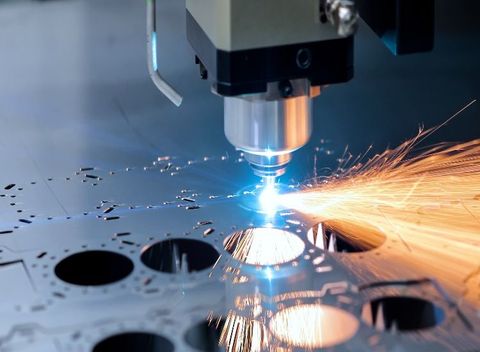
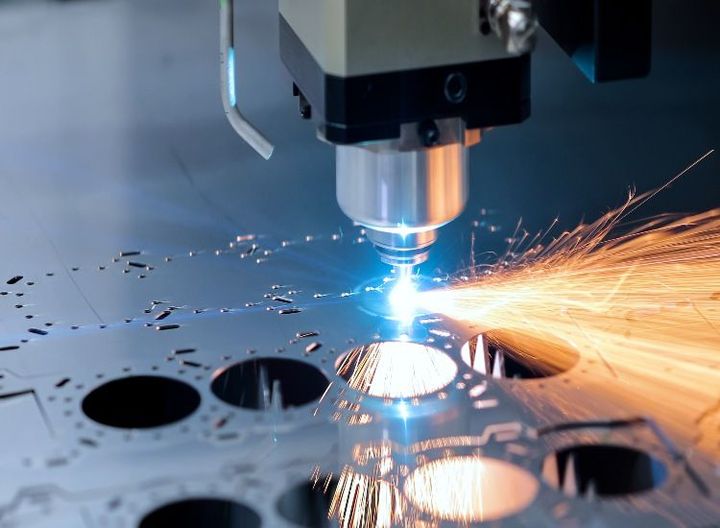
CNC Laser Machines
Laser systems use concentrated beams of light for cutting, engraving, and marking applications.
CNC Grinding Machines
Grinding machines provide smooth surface finishes and precise dimensional control.
Each machine type supports specific manufacturing requirements.
Why CNC Machines Are Important in Manufacturing
Modern industries often require high levels of precision and repeatability.
CNC Machines help achieve these objectives by automating complex machining operations.
Their importance continues to grow because manufacturers must produce components that meet strict quality standards while maintaining efficient production schedules.
As product designs become more sophisticated, CNC technology provides the flexibility needed to handle increasingly detailed manufacturing requirements.
Benefits of CNC Machines
Improved Precision
One of the most significant advantages of CNC Machines is their ability to produce highly accurate components.
Computer-controlled movements help reduce dimensional variations.
Consistent Results
Once a program is created, the machine can repeatedly produce similar components with minimal variation.
This consistency is valuable for large production runs.
Increased Production Efficiency
Automation allows machining operations to continue with less manual involvement, helping improve overall productivity.
Reduced Material Waste
Precise cutting and machining processes help optimize material usage.
Ability to Produce Complex Parts
CNC Machines can manufacture intricate shapes and detailed designs that may be difficult to achieve using manual methods.
Enhanced Workplace Safety
Automated processes reduce direct interaction between operators and moving cutting tools.
Industries That Use CNC Machines
Many industries depend on CNC technology.
Automotive Manufacturing
Vehicle components often require precise dimensions and consistent quality.
Examples include:
Engine parts
Transmission components
Brake system parts
Structural components
Aerospace Industry
Aircraft components must meet strict manufacturing standards.
CNC Machines help produce complex aerospace parts with high accuracy.
Medical Equipment Manufacturing
Medical devices often require precise machining.
Applications include:
Surgical instruments
Diagnostic equipment components
Orthopedic devices
Electronics Manufacturing
Electronic products contain many small components that require accurate machining.
Industrial Machinery Production
Industrial equipment manufacturers use CNC Machines to create machine parts, tools, and assemblies.
Materials Processed by CNC Machines
CNC technology supports a wide range of materials.
Metals
Common metals include:
Aluminum
Steel
Stainless steel
Brass
Titanium
Plastics
Many engineering plastics can be machined using CNC equipment.
Wood
Furniture manufacturers and woodworking facilities often use CNC routers.
Composite Materials
Advanced composites are widely used in aerospace and industrial applications.
This versatility contributes to the widespread adoption of CNC technology.
The Role of Software in CNC Machining
Software plays an essential role in CNC operations.
CAD Software
CAD programs allow engineers and designers to create detailed digital models.
CAM Software
CAM applications convert designs into machine instructions.
Machine Control Software
Control software manages machine movements and operational parameters.
Together, these software tools support accurate and efficient production workflows.
Challenges Associated with CNC Machines
Although CNC technology provides many advantages, certain challenges exist.
Initial Equipment Investment
Advanced CNC systems can require significant financial planning.
Technical Knowledge Requirements
Operators and programmers must understand machining principles and software systems.
Maintenance Needs
Regular maintenance helps ensure reliable performance and consistent accuracy.
Programming Complexity
Complex parts may require sophisticated programming and setup procedures.
Despite these challenges, many organizations view CNC technology as an essential part of modern manufacturing.
Future Trends in CNC Technology
Manufacturing continues to evolve through technological innovation.
Several developments are shaping the future of CNC Machines.
Automation Integration
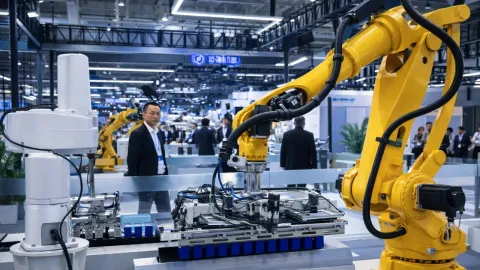
Manufacturers increasingly combine CNC equipment with robotic systems.
Smart Manufacturing
Connected machines provide real-time production data and performance monitoring.
Artificial Intelligence Applications
AI-based tools may assist with process optimization and predictive maintenance.
Advanced Materials Processing
New machining techniques support emerging materials and manufacturing requirements.
These advancements are expected to further improve production capabilities across industries.
Conclusion
CNC Machines have become a cornerstone of modern manufacturing. Their ability to produce accurate, consistent, and complex components supports industries ranging from automotive and aerospace to medical equipment and industrial machinery.
By combining computer control, advanced software, and precision machining technology, CNC Machines help manufacturers improve production efficiency while maintaining high quality standards. As technology continues to advance, CNC machining is likely to remain an important part of industrial production, supporting innovation and manufacturing excellence across the globe.