Custom Plastic Injection Molding: Explore Materials and Methods Today
Custom plastic injection molding plays a major role in producing precision plastic parts for industries ranging from automotive and electronics to medical devices and consumer equipment.
The process allows manufacturers to create repeatable components with complex shapes, controlled dimensions, and application-specific material properties.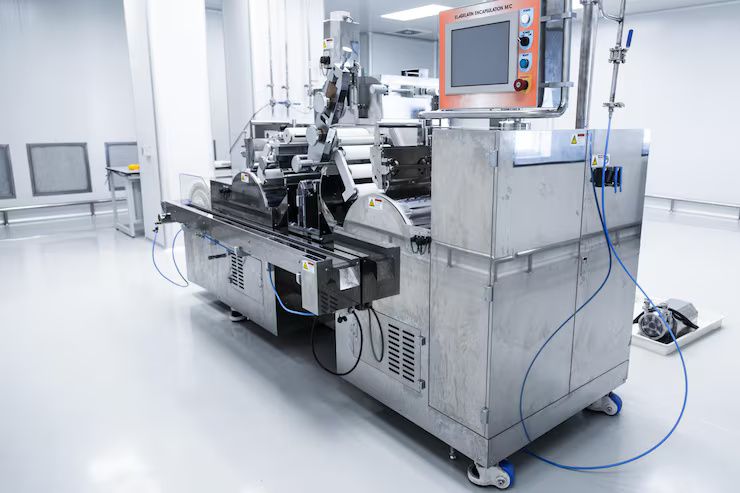
Modern injection molding has developed well beyond basic part forming. Advances in mold engineering, process controls, material science, and automated production now allow manufacturers to produce components with tighter tolerances and more demanding functional requirements.
Understanding the materials, tooling approaches, molding methods, and design considerations behind custom plastic injection molding helps engineers and product teams make more informed decisions. The right combination of material and process can influence part strength, appearance, dimensional stability, production consistency, and long-term performance.
How Custom Injection Molding Works
The basic injection molding cycle is straightforward, although the engineering behind it can be highly specialized. Plastic pellets are fed into a heated barrel, where they are melted and mixed before being injected into a mold cavity under controlled pressure.
Once the cavity is filled, the material begins to cool and solidify. The mold then opens, ejector components remove the finished part, and the cycle starts again.
A custom process differs from standard high-volume molding because the tooling, material selection, tolerances, surface finish, and production parameters are tailored to the specific part. These details must be established together rather than treated as separate decisions.
Choosing the Right Plastic Material
Material selection is one of the most important decisions in custom plastic injection molding. Different polymers respond differently to heat, chemicals, impact, moisture, ultraviolet exposure, and mechanical loads.
Common engineering and production materials include ABS, polypropylene, polyethylene, polycarbonate, nylon, PEEK, and thermoplastic elastomers. Each has characteristics that make it suitable for different operating environments.
For example, polypropylene is known for its low density and chemical resistance, while polycarbonate is valued for impact resistance and dimensional performance. Nylon can provide useful strength and wear characteristics, but moisture absorption must be considered during design and processing.
Some applications also use reinforced polymers containing glass fibers or other additives. These materials can increase stiffness and strength but may introduce additional considerations such as anisotropic shrinkage and fiber orientation.
Tooling Determines More Than Shape
The mold is more than a cavity that defines the external shape of a part. Its design influences filling behavior, cooling, ejection, cycle time, dimensional stability, and final appearance.
Molds are typically machined from tool steels or other suitable materials and can contain multiple cavities when production requirements justify them. Internal elements such as runners, gates, cooling channels, slides, lifters, and ejector systems must be carefully coordinated.
Cooling deserves particular attention because uneven temperature distribution can contribute to warping, sink marks, internal stresses, or inconsistent dimensions. Effective mold cooling therefore plays a major role in achieving repeatable results.
Common Injection Molding Methods
Not every molded component is produced using exactly the same approach. The molding method can be adapted to the material, part geometry, production requirements, and functional purpose.
Insert and Overmolding
Insert molding involves placing another component into the mold before plastic is injected around it. The result is an integrated assembly that can combine plastic with metal or another material.
Overmolding uses a similar principle to create a plastic layer over an existing substrate or previously molded component. This approach is frequently used for grips, seals, protective covers, and multi-material products.
Two-Shot Molding
Two-shot molding allows different materials or colors to be molded within the same production sequence. Specialized tooling and machine configurations are required, but the method can reduce assembly requirements while creating integrated multi-material components.
Designing Parts for Consistent Manufacturing
Part design has a direct influence on molding performance. A component that looks acceptable in a digital model may still present production challenges if wall thickness, transitions, draft angles, or internal features are poorly planned.
Uniform wall thickness is generally desirable because major variations can produce uneven cooling and shrinkage. Sudden changes in geometry may also create stress concentrations or visible defects.
Draft angles are typically incorporated to help the finished component release from the mold without unnecessary friction or damage. Ribs and bosses can improve structural performance, but they should be proportioned carefully to reduce the possibility of sink marks or localized distortion.
Early design-for-manufacturing review can identify these issues before tooling is developed, which can reduce later engineering changes.
Process Control and Quality
Consistent injection molding depends on maintaining stable process conditions. Important variables include melt temperature, mold temperature, injection speed, holding pressure, cooling time, and material preparation.
Small changes in these parameters can influence shrinkage, part weight, surface appearance, and mechanical behavior. Automated machines can monitor process data and maintain repeatable settings, but effective quality control still requires appropriate inspection methods.
Depending on the application, manufacturers may evaluate dimensions, weight, surface finish, mechanical performance, material characteristics, and functional fit. Higher-risk components may also require specialized validation and documented traceability.
Typical Defects and Their Causes
Several common molding defects can be linked to material, mold, or process conditions.
| Defect | Common contributing factor |
|---|---|
| Sink marks | Thick sections or insufficient packing |
| Warping | Uneven cooling or shrinkage |
| Short shots | Inadequate filling conditions |
| Flash | Excessive pressure or mold separation |
| Weld lines | Separate melt fronts joining together |
| Burn marks | Trapped air or excessive shear |
| Voids | Internal shrinkage during cooling |
Defect prevention is usually more effective when design, tooling, and processing teams work together. Correcting a problem only at the final inspection stage can be less effective than addressing the underlying cause earlier.
Automation and Modern Production Systems
Automation has become an important part of advanced injection molding environments. Robots can remove parts, handle inserts, separate runners, perform inspection tasks, and transfer components between production stages.
Sensors and machine monitoring systems can also track pressure, temperature, cycle behavior, and other process variables. These technologies help production teams identify deviations earlier and maintain consistent operating conditions.
Data collection is increasingly connected to broader manufacturing systems, allowing production information to support maintenance planning, process optimization, and quality analysis.
Sustainability Considerations
Material efficiency is another important consideration in modern molding. Excess runners, rejected components, and setup waste can increase material consumption, while optimized process settings can reduce unnecessary scrap.
The selection of recyclable or recycled-content polymers may also support sustainability goals where application requirements allow them. However, material choices should always be evaluated against required mechanical, thermal, chemical, and regulatory characteristics.
Energy use is also influenced by machine efficiency, heating requirements, mold temperature control, and cycle duration. Improving these factors can contribute to more efficient manufacturing without compromising part quality.
Frequently Asked Questions
What is custom plastic injection molding used for?
It is used to manufacture plastic components with specific geometries, material characteristics, dimensions, and performance requirements. Applications span automotive, electronics, medical equipment, industrial systems, packaging, and many other sectors.
How is material selected for an injection molded part?
Material selection depends on factors such as strength, flexibility, impact resistance, temperature exposure, chemical contact, moisture, electrical properties, appearance, and environmental conditions.
Why is mold design so important?
Mold design affects filling, cooling, ejection, dimensional stability, cycle behavior, and surface quality. A well-designed mold helps produce consistent parts while reducing defects.
Can different materials be combined in one molded component?
Yes. Insert molding, overmolding, and two-shot molding can combine different materials or components into an integrated part when the design and tooling support the approach.
What causes defects in injection molded parts?
Defects can result from part geometry, mold design, material preparation, trapped air, uneven cooling, or unsuitable process parameters. Identifying the underlying cause is essential for effective correction.
Conclusion
Custom plastic injection molding combines material science, mold engineering, machine control, and part design to produce components for demanding applications. Material selection determines many of the part's physical characteristics, while tooling influences filling, cooling, ejection, and dimensional consistency.
The most reliable results come from treating design, material, tooling, processing, and quality control as interconnected elements. As automation and process monitoring continue to improve, modern injection molding provides increasingly precise and repeatable ways to manufacture complex plastic components while supporting broader goals for efficiency, quality, and responsible material use.