Home HVAC Replacement Overview of Energy Efficiency and Comfort Changes
Replacing a home's HVAC system is one of the most significant upgrades homeowners can make to improve indoor comfort and overall energy performance. As heating and cooling equipment ages, it gradually loses efficiency, works harder to maintain indoor temperatures, and may struggle to provide consistent comfort throughout the home.
Modern HVAC replacement projects involve more than installing a new furnace or air conditioner. Today's systems are designed to work as integrated solutions that combine efficient heating, cooling, air circulation, humidity management, and smart controls. Understanding how these components work together helps homeowners appreciate the long-term impact of replacing an outdated system.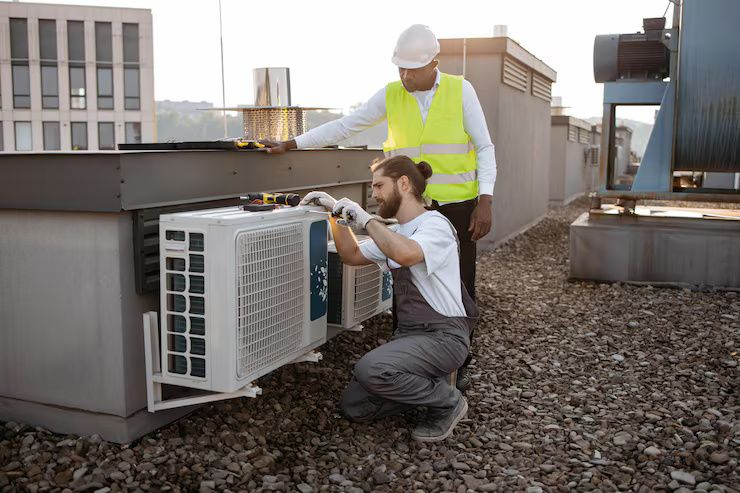
Whether a replacement is planned due to aging equipment or changing household needs, learning about the process provides valuable insight into how modern HVAC technology supports healthier, more comfortable living environments.
Why HVAC Systems Eventually Need Replacement
Every heating and cooling system experiences wear over years of operation. Motors, compressors, fans, coils, and electronic controls gradually lose performance, making it more difficult for the system to operate efficiently.
An older HVAC system may continue functioning, but declining efficiency often leads to longer operating cycles, uneven temperatures, increased maintenance requirements, and greater energy consumption. Modern equipment is designed with improved engineering, allowing systems to deliver similar or better comfort while using less energy.
Replacement also provides an opportunity to evaluate whether the original system still matches the home's current size, insulation levels, and occupancy patterns.
How Modern HVAC Systems Improve Energy Efficiency
Energy efficiency has become one of the primary reasons homeowners consider HVAC replacement. Manufacturers have introduced significant advancements in system design that reduce energy use while maintaining stable indoor temperatures.
Improved compressor technology allows cooling systems to adjust output more precisely rather than operating only at full capacity. Variable-speed blowers distribute conditioned air more evenly, reducing temperature fluctuations between rooms.
Enhanced heat exchangers, improved refrigerant flow management, and better insulation inside equipment further contribute to overall efficiency. Together, these innovations help systems respond more effectively to changing indoor conditions.
Comfort Improvements Beyond Temperature
Comfort involves more than simply heating or cooling a home. A properly designed HVAC replacement can improve several aspects of the indoor environment simultaneously.
Modern systems often provide:
- More consistent temperatures throughout different rooms.
- Improved airflow with quieter operation.
- Better humidity regulation during changing seasons.
- Reduced indoor dust through enhanced air filtration.
- Faster response to thermostat adjustments.
These improvements create living spaces that feel more comfortable even when outdoor weather conditions change dramatically.
The Importance of Proper System Sizing
Selecting the appropriate HVAC capacity is one of the most important decisions during replacement.
A system that is too small may struggle to maintain comfortable temperatures during extreme weather. Conversely, oversized equipment can cycle on and off frequently, reducing efficiency and limiting effective humidity control.
Professional sizing calculations consider multiple factors, including:
- Total conditioned floor area.
- Insulation quality.
- Window placement and solar exposure.
- Ceiling height.
- Air leakage characteristics.
- Local climate conditions.
Matching equipment capacity to actual building requirements allows the system to operate more efficiently throughout the year.
Air Distribution Plays a Major Role
Replacing HVAC equipment also presents an opportunity to evaluate the home's air distribution system.
Ductwork influences how effectively conditioned air reaches each room. Poorly sealed ducts, airflow restrictions, or unbalanced distribution can reduce overall system performance regardless of equipment quality.
During replacement, professionals often inspect duct condition, airflow balance, and insulation. Addressing these issues helps maximize the performance of newly installed equipment while improving temperature consistency throughout the home.
Indoor Air Quality Benefits
Modern HVAC systems increasingly incorporate features that support healthier indoor environments.
Improved filtration captures smaller airborne particles than many older systems. Enhanced ventilation strategies help introduce fresh outdoor air while maintaining indoor comfort.
Some systems also integrate humidity management, helping reduce excessive moisture that may contribute to indoor comfort issues. Maintaining balanced humidity levels supports a more pleasant indoor environment during both heating and cooling seasons.
These air quality improvements become particularly valuable for households with children, older adults, or individuals sensitive to airborne particles.
Smart Controls Enhance Everyday Operation
Digital technology has transformed how homeowners interact with HVAC systems.
Smart thermostats allow more precise temperature scheduling while learning household occupancy patterns over time. Some systems automatically adjust operating schedules based on weather forecasts, indoor conditions, or energy-saving preferences.
Remote access through mobile applications enables homeowners to monitor and adjust temperatures while away from home. Maintenance reminders and system performance notifications also simplify ongoing equipment management.
Rather than operating continuously at fixed settings, modern controls help systems respond intelligently to changing conditions.
Comparing Older and Modern HVAC Systems
| Feature | Older Systems | Modern Systems |
|---|---|---|
| Energy Efficiency | Lower operating efficiency | Improved efficiency through advanced components |
| Airflow | Single-speed operation | Variable-speed airflow management |
| Temperature Control | Larger fluctuations | More consistent indoor comfort |
| Noise Levels | Often louder | Quieter operation |
| Smart Controls | Limited automation | Integrated digital controls and scheduling |
| Indoor Air Quality | Basic filtration | Improved filtration and humidity management |
This comparison illustrates how replacement often improves several aspects of home comfort simultaneously rather than addressing only heating or cooling performance.
Preparing for an HVAC Replacement Project
Planning ahead helps homeowners better understand the replacement process and make informed decisions.
Before installation, professionals typically evaluate the home's existing equipment, duct system, insulation characteristics, electrical capacity, and ventilation requirements. These assessments ensure that new equipment operates as intended once installed.
Homeowners may also consider future household needs, such as home additions, occupancy changes, or energy efficiency improvements that could influence equipment selection.
Taking a comprehensive approach allows the replacement project to support long-term performance rather than simply replacing aging equipment with similar components.
Frequently Asked Questions
How long does a residential HVAC system typically last?
Many systems operate for 15 to 20 years, although lifespan depends on maintenance, usage patterns, climate, and installation quality.
Does replacing HVAC equipment automatically lower energy use?
Newer systems generally offer improved efficiency, but actual energy performance also depends on proper sizing, duct condition, insulation, and thermostat settings.
Why is professional system sizing important?
Accurate sizing helps maintain comfortable indoor temperatures, improves efficiency, supports humidity control, and reduces unnecessary equipment wear.
Can an HVAC replacement improve indoor air quality?
Yes. Modern systems often include improved filtration, better airflow management, and enhanced humidity control that contribute to healthier indoor environments.
Conclusion
A home HVAC replacement represents more than installing new heating and cooling equipment. It provides an opportunity to improve energy efficiency, enhance indoor comfort, modernize climate control, and support healthier indoor air quality. Understanding how equipment design, airflow, system sizing, smart controls, and overall home performance work together helps homeowners appreciate the lasting benefits of a thoughtfully planned HVAC replacement.