Designer Diamond Earrings Information With Diamond Cuts, Shapes, and Setting Details
Designer diamond earrings are jewelry pieces that combine diamonds with carefully planned metal structures, decorative details, and specific setting techniques. They can range from simple diamond studs to elaborate drop earrings, hoops, chandeliers, and sculptural designs.
Their appearance depends on diamond characteristics, metal choice, proportions, setting method, and the overall design concept.
Diamond earrings have a long history within personal adornment, with diamonds becoming increasingly incorporated into fine jewelry as cutting and setting techniques developed. Modern designer diamond earrings use both traditional craftsmanship and computer-aided design to create different shapes and structures.
The term designer describes an emphasis on the visual concept and construction of a jewelry piece. It does not describe a particular diamond grade or automatically indicate any specific material characteristic. A designer earring can contain diamonds of different shapes, sizes, colors, clarity levels, and origins.
The diamond cut and shape are important but represent different concepts. Shape describes the geometric outline of the stone, such as round, oval, pear, or emerald. Cut refers to the proportions, facets, symmetry, and finishing of a diamond that influence how it interacts with light.
Main Components of Diamond Earrings
A diamond earring normally contains several interconnected elements. The diamonds provide the central decorative component, while the metal framework supports and secures them.
Common components include:
Diamonds in one or multiple shapes
Metal settings that hold the stones
Posts or hooks for attaching earrings to the ear
Backs or locking mechanisms for securing the earrings
Hinges or articulated sections on certain designs
Decorative metal elements surrounding the stones
The construction varies according to the earring style. Stud earrings generally have a compact structure, while drop and chandelier earrings may contain multiple articulated sections.
Common Designer Earring Styles
Designer diamond earrings can be grouped into several broad styles. Stud earrings usually place one or several diamonds close to the earlobe. Hoop earrings incorporate diamonds around part or all of a circular or curved structure.
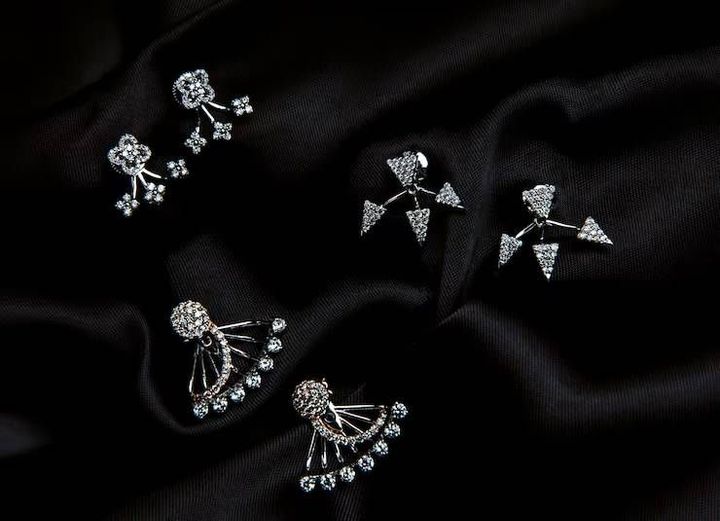
Drop earrings extend below the earlobe and can contain one gemstone or multiple connected sections. Chandelier earrings use several levels of stones and metal elements to create a more elaborate hanging structure.
Other designs combine geometric shapes, asymmetrical arrangements, mixed metals, or multiple diamond cuts. The visual result depends on how these elements are proportioned and connected.
Importance
Understanding designer diamond earrings can help readers interpret jewelry descriptions and distinguish between diamond characteristics, setting details, and design features. These factors can influence the visual appearance, physical structure, and everyday handling requirements of an earring.
Diamond earrings are also relatively compact pieces of jewelry, which means small differences in stone proportions or setting design can have a noticeable effect on their appearance. The way diamonds are positioned can influence how light reaches the stones and how the earrings appear from different angles.
Diamond Cuts and Shapes
The round brilliant shape is widely used in diamond jewelry because its facet arrangement is designed to interact with light from multiple directions. Other shapes have different facet patterns and visual characteristics.
Common diamond shapes include:
Round
Oval
Princess
Emerald
Cushion
Pear
Marquise
Radiant
Asscher
Heart
Each shape creates a different outline. Elongated shapes such as oval, pear, and marquise can create a lengthened visual effect, while square and rectangular shapes create stronger geometric lines.
Cut quality is a separate consideration. A diamond's proportions, facet arrangement, symmetry, and polish influence how light behaves within the stone. Shape alone does not describe these characteristics.
Diamond Characteristics
Several characteristics are commonly used when describing diamonds. Carat refers to weight, while color describes the degree of body color. Clarity relates to internal and external characteristics, and cut relates to the diamond's proportions and facet arrangement.
For earrings containing multiple diamonds, the stones may be selected to create visual consistency. However, individual diamonds can naturally differ in their characteristics, even when they appear similar when set.
Setting Details
The setting is the structure that holds a diamond in place. Prong settings use small metal projections to secure the stone, while bezel settings surround the edge of a diamond with metal.
Other setting methods include channel, pavé, and halo arrangements. The choice affects both appearance and physical protection.
Prong settings can expose more of a diamond's surface, while bezel settings provide a surrounding metal rim. Pavé settings place multiple small diamonds closely together, creating a continuous visual field of gemstones.
Metal Choices
Diamond earrings may use white gold, yellow gold, rose gold, platinum, or other jewelry metals. Metal color can influence the contrast between the gemstone and its surrounding structure.
White-colored metals can create a visually continuous appearance around colorless-looking diamonds. Yellow and rose-colored metals create warmer contrast. The alloy composition also affects the physical properties of the finished earring.
Recent Updates
From 2024 through 2026, designer diamond earrings have continued to include combinations of classic jewelry forms and contemporary design approaches. Current design directions include mixed diamond shapes, geometric structures, asymmetric arrangements, layered earrings, and combinations of different metal colors.
Contemporary Diamond Designs
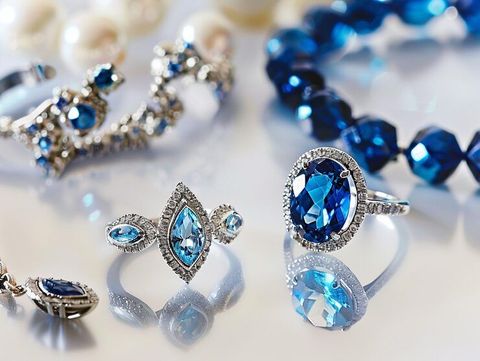
Modern earrings may use several diamond shapes within one piece rather than repeating one shape throughout. An oval center stone can be combined with smaller round diamonds, while pear or marquise stones may be positioned as decorative accents.
Asymmetric designs are another approach. Instead of making both earrings identical, some collections use related but visually different arrangements while maintaining a common design theme.
Lightweight Construction
Contemporary jewelry design also places attention on proportion and wearability. Computer-aided design can help designers model hollow structures, articulated sections, stone placement, and metal thickness before production.
Lightweight construction can be particularly relevant for larger drop or chandelier earrings. The final structure still needs appropriate strength around settings, hinges, posts, and other areas that experience repeated movement.
Digital Jewelry Design
Computer-aided design and three-dimensional modeling are increasingly incorporated into jewelry development. Digital models allow designers to examine proportions and stone placement before a physical piece is produced.
Digital visualization can also help illustrate how different diamond shapes and metal colors interact. Manufacturing methods can then translate the digital design into a physical jewelry structure through casting, machining, setting, finishing, and related processes.
Diamond Documentation
Diamond documentation can provide information about characteristics such as carat weight, measurements, color, clarity, and other grading details. The terminology and documentation format depend on the grading organization and the type of diamond.
Natural diamonds and laboratory-grown diamonds are distinct categories, and jewelry descriptions should identify them accurately. Treatments or enhancements may also be relevant when they affect the characteristics of a gemstone.
Laws or Policies
Designer diamond earrings are subject to jewelry labeling, gemstone disclosure, precious-metal identification, consumer protection, and trade requirements. The exact rules depend on the jurisdiction where jewelry is manufactured, distributed, or displayed.
Diamond Disclosure
Diamond descriptions need to distinguish between natural diamonds, laboratory-grown diamonds, and diamond imitations where applicable. Terms describing treatments or enhancements may also have specific disclosure requirements.
Accurate descriptions are important because consumers may use diamond characteristics and origin information when comparing jewelry pieces. Documentation should correspond to the stone or stones being described.
Precious-Metal Standards
Gold and platinum jewelry can be subject to rules concerning purity, fineness marks, hallmarks, and metal descriptions. These requirements differ among jurisdictions.
Jewelry alloys commonly combine precious metals with other metals to achieve particular physical properties. A metal marking can provide information about fineness or composition when such marking is required.
Trade and Responsible Sourcing
International diamond and jewelry trade can involve customs requirements, documentation, origin information, and responsible-sourcing frameworks. These requirements can apply differently depending on the countries involved and the type of gemstone.
Jewelry businesses handling international transactions need to follow the rules applicable to their specific locations and products.
Tools and Resources
Several resources can help readers understand designer diamond earrings. Diamond grading documents provide information about individual stones, while diamond shape charts explain the visual differences between common cuts and outlines.
Jewelry sizing references can help explain earring dimensions, post lengths, hoop diameters, and other measurements. Digital jewelry visualization tools can also show how different combinations of stones and metals may appear.
Useful resources include:
Diamond grading documents
Diamond shape reference charts
Diamond measurement guides
Jewelry metal purity charts
Earring dimension guides
Computer-aided jewelry design software
Three-dimensional jewelry visualization tools
Gemstone identification references
Jewelry care instructions
Setting inspection checklists
A simplified comparison of common diamond shapes is shown below:
| Diamond Shape | General Outline | Common Design Character |
|---|---|---|
| Round | Circular | Balanced and traditional |
| Oval | Elongated circle | Soft and elongated |
| Princess | Square | Geometric |
| Emerald | Rectangular with stepped facets | Structured |
| Cushion | Rounded square or rectangle | Soft geometric |
| Pear | Teardrop | Directional and elongated |
| Marquise | Long with pointed ends | Narrow and elongated |
| Radiant | Square or rectangular with faceted corners | Geometric with detailed faceting |
| Asscher | Square with stepped facets | Symmetrical and architectural |
| Heart | Heart-shaped | Distinctive and symbolic |
Choosing Earring Proportions
Earring dimensions influence how a design sits on the ear. Studs are generally compact, while drop earrings extend downward and can contain multiple sections.
For larger designs, weight distribution becomes an important structural consideration. Posts, backs, hinges, connecting elements, and settings all need to work together to support the earring during normal movement.
Setting Inspection and Care
Diamond earrings contain small settings that can experience repeated movement during wearing, storage, and handling. Periodic visual inspection can help identify loose stones, bent prongs, damaged clasps, or other structural changes.
Cleaning methods should be compatible with the diamonds, metal, gemstone treatments, and setting structure. Abrasive materials or unsuitable chemicals can affect certain jewelry finishes or components.
Separate storage can also reduce contact between earrings and harder jewelry pieces. Keeping pairs together can make it easier to inspect both earrings for changes in appearance or structure.
FAQs
What are designer diamond earrings?
Designer diamond earrings are jewelry pieces in which diamond arrangements, metal structures, proportions, and decorative details are developed around a specific design concept. They can include studs, hoops, drops, chandeliers, and other forms.
What diamond cuts and shapes are used in designer earrings?
Common shapes include round, oval, princess, emerald, cushion, pear, marquise, radiant, Asscher, and heart. Cut describes the diamond's facet arrangement and proportions, while shape describes its outline.
What setting types are used for diamond earrings?
Common settings include prong, bezel, pavé, channel, and halo arrangements. The setting determines how a diamond is held and influences the amount of metal visible around the stone.
Which metals are used for designer diamond earrings?
White gold, yellow gold, rose gold, and platinum are commonly used. Metal selection affects color, structural characteristics, and the visual relationship between the diamonds and the earring framework.
How should designer diamond earrings be cared for?
Earrings should be handled carefully and inspected periodically for loose stones, worn settings, damaged posts, or changes in the clasp. Cleaning and storage methods should be appropriate for the specific gemstones and metal composition.
Conclusion
Designer diamond earrings combine diamond characteristics, gemstone shapes, cutting techniques, metal structures, and setting methods into different jewelry designs. Understanding the distinction between diamond shape and cut helps explain differences in appearance and construction. Recent design approaches include mixed shapes, asymmetric arrangements, digital modeling, and lightweight structures. Jewelry labeling, diamond disclosure, precious-metal identification, and trade requirements vary according to the applicable jurisdiction.