Discover Air Conditioning Technologies That Improve Comfort and Energy Efficiency
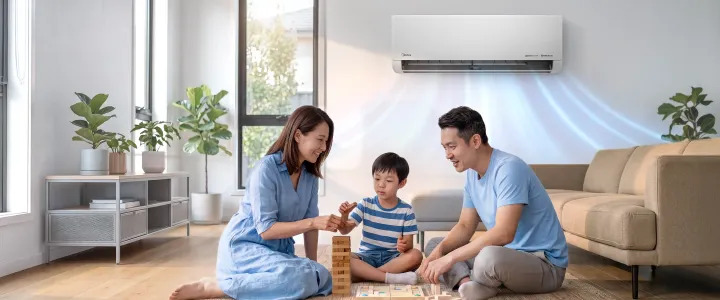
Modern buildings rely on advanced climate control systems to create comfortable indoor environments while managing energy consumption more efficiently. Air Conditioning Technologies have evolved significantly over the past decade, introducing smart controls, inverter compressors, eco-friendly refrigerants, and connected automation systems that improve cooling performance and reduce electricity usage.
From residential homes and office buildings to healthcare facilities and industrial spaces, today's air conditioning solutions are designed to balance comfort, sustainability, and operational efficiency.
As concerns about energy conservation and environmental impact continue to grow, manufacturers are investing in innovative cooling technologies that support better indoor air quality and lower carbon emissions. Understanding how these technologies work can help homeowners, businesses, and facility managers make informed decisions when selecting or upgrading cooling systems.
Note: Features, energy ratings, installation requirements, refrigerants, efficiency levels, and maintenance recommendations vary by manufacturer, product type, and local regulations. This article is intended for general educational purposes only.
What Are Air Conditioning Technologies?
Air Conditioning Technologies refer to the systems, components, and innovations used to cool indoor spaces, regulate humidity, improve air circulation, and maintain comfortable temperatures while optimizing energy efficiency.
Modern air conditioning systems typically combine several technologies, including:
Inverter compressor systems
Smart thermostats
Variable-speed fans
Air filtration systems
Humidity control
Eco-friendly refrigerants
Wireless connectivity
Energy monitoring features
These technologies work together to deliver more consistent cooling while reducing unnecessary energy consumption.
Why Modern Air Conditioning Matters
Advanced cooling systems provide benefits beyond temperature control.
Potential advantages include:
Improved indoor comfort
Better energy efficiency
Lower electricity consumption
Enhanced indoor air quality
More consistent temperature control
Reduced operating noise
Smart automation capabilities
Improved environmental sustainability
The actual benefits depend on the system design, installation quality, and regular maintenance.
Key Air Conditioning Technologies
Modern cooling systems incorporate several important innovations.
Inverter Technology
Unlike traditional systems that repeatedly switch on and off, inverter air conditioners adjust compressor speed based on cooling demand. This helps maintain stable temperatures while improving energy efficiency.
Smart Thermostats
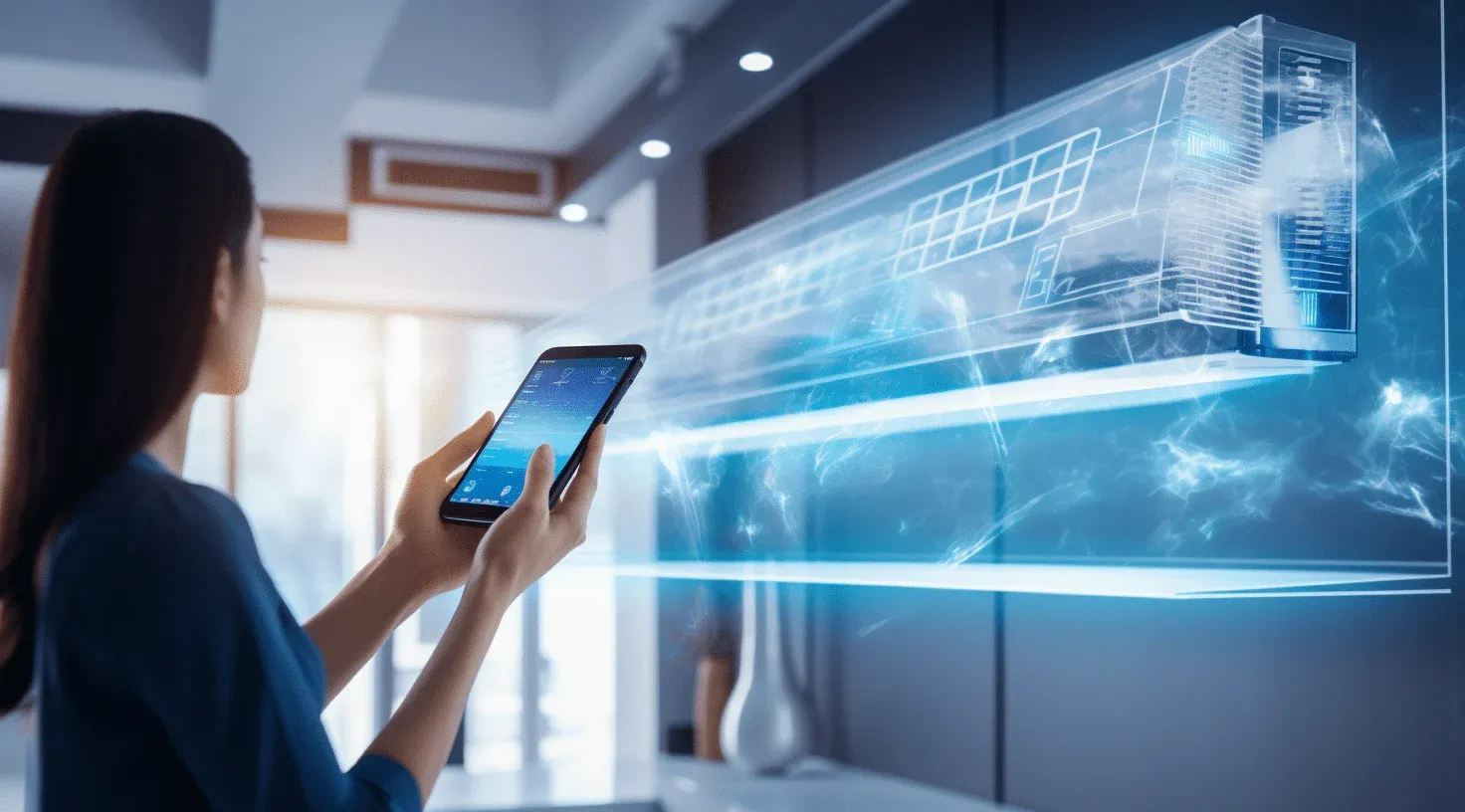
Smart thermostats allow users to monitor and adjust temperature settings remotely using mobile devices. Many models also learn user preferences and create automated cooling schedules.
Variable-Speed Compressors
Variable-speed compressors operate across a range of cooling capacities, providing more precise temperature control while reducing energy consumption.
Eco-Friendly Refrigerants
Newer refrigerants are designed to reduce environmental impact while maintaining effective cooling performance. Regulatory requirements regarding refrigerants vary by region.
Advanced Air Filtration
Many systems include filters designed to capture dust, pollen, and other airborne particles, contributing to improved indoor air quality.
Humidity Control
Some air conditioning systems help regulate indoor humidity levels, improving comfort and reducing excess moisture.
Types of Air Conditioning Systems
Different environments require different cooling solutions.
Common system types include:
Split air conditioning systems
Window air conditioners
Portable air conditioners
Central air conditioning systems
Ductless mini-split systems
Packaged HVAC systems
Commercial VRF (Variable Refrigerant Flow) systems
Industrial cooling systems
The most suitable system depends on building size, climate, occupancy, and cooling requirements.
Choosing an Air Conditioning System
When comparing cooling systems, consider several important factors.
Review:
Cooling capacity
Energy efficiency rating
Installation requirements
Indoor and outdoor unit size
Noise level
Smart control features
Maintenance requirements
Long-term operating costs
Evaluating these factors helps identify a system that matches your space and usage needs.
Air Conditioning Technologies Overview
| Technology | Primary Benefit |
|---|---|
| Inverter Compressor | Improved energy efficiency |
| Smart Thermostat | Remote temperature control |
| Variable-Speed Fan | Consistent airflow |
| Air Filtration | Better indoor air quality |
| Eco-Friendly Refrigerant | Reduced environmental impact |
| Humidity Control | Enhanced indoor comfort |
Maintenance Best Practices
Regular maintenance helps maintain system performance and efficiency.
Helpful recommendations include:
Clean or replace air filters regularly.
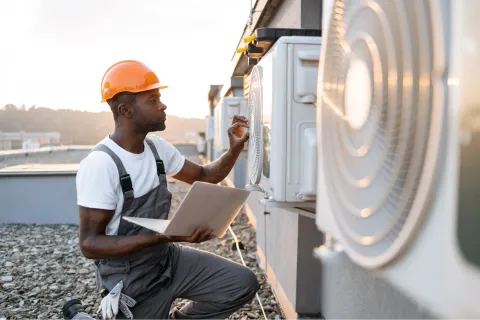
Keep outdoor units free from debris.
Schedule professional inspections when recommended.
Check refrigerant levels if required.
Inspect air vents for blockages.
Monitor system performance.
Seal air leaks around doors and windows.
Follow the manufacturer's maintenance guidelines.
Routine care can help improve efficiency and extend equipment lifespan.
Current Industry Trends
Cooling technology continues to advance rapidly.
Recent developments include:
Artificial intelligence-assisted climate control
Internet of Things (IoT) connected HVAC systems
Predictive maintenance using sensors
Solar-powered cooling solutions
Smart home integration
Low-global-warming-potential refrigerants
Energy usage analytics
Building automation systems
These innovations support greater comfort, operational efficiency, and environmental responsibility.
Looking Ahead
The future of Air Conditioning Technologies is expected to include broader adoption of AI-powered energy optimization, advanced smart building integration, environmentally friendly refrigerants, and highly efficient cooling systems. As sustainability becomes an increasingly important priority, manufacturers will continue developing solutions that reduce energy consumption while maintaining indoor comfort.
Why Understanding Air Conditioning Technologies Matters
Understanding Air Conditioning Technologies helps homeowners, businesses, and facility managers evaluate cooling systems based on efficiency, comfort, maintenance, and long-term operating costs. Informed purchasing decisions can contribute to improved indoor environments and more efficient energy use.
Conclusion
Air Conditioning Technologies have transformed modern climate control by combining energy-efficient compressors, intelligent automation, advanced filtration, and environmentally responsible refrigerants. These innovations improve indoor comfort while helping reduce energy consumption and operational costs. As smart technologies and sustainable engineering continue to evolve, air conditioning systems will play an increasingly important role in creating healthier, more efficient, and environmentally conscious buildings.