Electric Power Networks Guide: Generation, Transmission, Distribution, Components and Applications
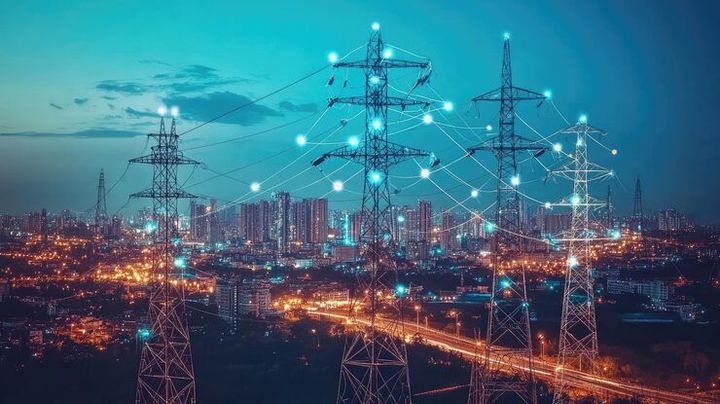
Electric power networks are interconnected systems that generate, move, control, and distribute electricity to homes, businesses, public facilities, and industrial sites. An electric power network connects generation stations with transmission lines, substations, distribution networks, and the electrical equipment used by consumers. Understanding these stages helps explain how electricity travels from a power plant to a wall outlet.
Context
Electric power networks are interconnected systems that generate, move, control, and distribute electricity to homes, businesses, public facilities, and industrial sites. An electric power network connects generation stations with transmission lines, substations, distribution networks, and the electrical equipment used by consumers. Understanding these stages helps explain how electricity travels from a power plant to a wall outlet.
The basic structure has developed over many decades as electricity use expanded. Early electrical systems were relatively small and served nearby areas. Modern networks connect multiple generating sources and regions so that electricity can be transferred according to demand and system conditions. In India, the Central Electricity Authority (CEA) prepares national electricity planning, while grid operation involves national and regional institutions working with state-level systems.
How an Electric Power Network Works
Electricity generally passes through several stages before reaching an end user:
- Generation produces electrical energy from sources such as coal, natural gas, hydro, nuclear, solar, and wind.
- Transmission moves large quantities of electricity over long distances at high voltage.
- Substations change voltage levels and help control the flow of electricity.
- Distribution networks carry electricity through local areas.
- Consumer equipment uses electricity for lighting, heating, cooling, communication, transportation, and industrial activities.
The network must keep electricity generation and consumption closely balanced. Demand changes throughout the day, while renewable generation can vary according to sunlight, wind conditions, and other factors.
Importance
Electric power networks affect almost every part of modern life. Homes depend on electricity for lighting, refrigeration, communication, water pumping, appliances, and electronic equipment. Hospitals, schools, transportation systems, factories, offices, and data facilities also depend on stable electrical networks.
A reliable network also helps connect different areas. When electricity generation is located far from population centers or industrial regions, transmission infrastructure provides a pathway between those locations and areas with demand. The CEA describes transmission planning as a continuing process that responds to new generation, changing demand, and requirements for system reliability.
Major Challenges
Electric power networks must handle several technical and operational challenges:
- Changing demand: Electricity consumption varies by season, weather, time of day, and economic activity.
- Long-distance transfer: Electricity may need to travel across large geographical areas before reaching consumers.
- Renewable integration: Solar and wind generation can change according to environmental conditions.
- Grid stability: Voltage, frequency, and power flows need continuous monitoring and control.
- Equipment ageing: Transmission lines, transformers, switchgear, and other components require inspection and planned maintenance.
- Extreme weather: Heat, storms, flooding, and other events can affect electrical infrastructure.
A coordinated network allows electricity to move between regions when operating conditions require it. India's national grid has developed into a large interconnected system, with substantial transmission capacity connecting different parts of the country.
Recent Updates
From 2024 through 2026, electric power networks have increasingly focused on renewable integration, transmission expansion, digital monitoring, energy storage, and improved distribution infrastructure.
Expansion for Renewable Generation
India has been planning additional transmission infrastructure to connect renewable generation with demand centers. Earlier national planning focused on integrating more than 500 GW of non-fossil capacity by 2030. In 2026, the CEA published a further transmission plan addressing integration of more than 900 GW of non-fossil fuel capacity by 2035–36.
This development reflects the changing structure of electricity generation. Large solar and wind projects can be located far from major consumption centers, creating a need for additional transmission corridors and substations.
Smart Distribution Systems
Distribution networks are also becoming more digital. Smart meters can record electricity use at shorter intervals and provide information that supports billing, monitoring, and grid management. Under India's Revamped Distribution Sector Scheme, 2.27 crore smart meters had been installed by the end of June 2025, according to the Ministry of Power.
Digital equipment can also provide more information about voltage conditions, consumption patterns, and network performance. These capabilities are becoming increasingly relevant as electricity demand and distributed generation increase.
Transmission Planning Developments
The CEA's transmission planning work has expanded to include renewable energy integration, pumped-storage projects, green hydrogen facilities, and cross-border connections. The CEA also lists an amended Manual on Transmission Planning Criteria published in 2025.
Energy storage has also received greater attention. Ministry of Power notices in 2025 included provisions concerning inter-state transmission charges for energy storage systems, reflecting the growing role of storage in electricity system planning.
Laws or Policies
In India, electric power networks operate within a framework established mainly by the Electricity Act, 2003, related rules, regulations, national policies, and decisions from electricity regulators.
Electricity Act and Regulatory Framework
The Electricity Act, 2003 provides the foundation for generation, transmission, distribution, trading, and regulation of electricity. The Central Electricity Regulatory Commission (CERC) has responsibilities that include regulating inter-state transmission and certain generating entities, as well as issuing relevant regulatory frameworks.
The Central Electricity Authority has an important planning role. Under the Electricity Act, it prepares the National Electricity Plan in accordance with national electricity policy. The plan covers areas such as generation and transmission development.
Recent Regulatory Changes
The Electricity Rules have also been amended in recent years. The Electricity (Amendment) Rules, 2024 introduced changes to the Electricity Rules, 2005 under powers provided by the Electricity Act.
Other policy developments have focused on renewable electricity integration and distribution modernization. Renewable consumption requirements, transmission planning, energy storage, and smart metering are among the areas receiving continuing policy attention.
Rules can differ according to the type of activity and the relevant central or state authority. Electricity regulations can also change over time, so official government and regulatory documents should be checked for current requirements.
Tools and Resources
Several resources can help readers understand electric power networks, electricity planning, and grid development.
Planning and Technical Resources
- Central Electricity Authority: Provides national electricity plans, transmission planning documents, technical manuals, and power-sector information.
- Ministry of Power: Publishes policies, government notifications, annual reports, and updates concerning India's electricity sector.
- Central Electricity Regulatory Commission: Provides regulations and information concerning electricity markets and inter-state electricity regulation.
- GRID-INDIA: Provides information related to national and regional grid operation and electricity system management.
- Smart meter portals and utility dashboards: Some electricity distribution organizations provide consumption information and meter-related data through digital platforms.
A simple electricity consumption calculator can also help households estimate usage by multiplying the power rating of an appliance by the number of hours it operates. More detailed engineering analysis uses load-flow studies, voltage calculations, protection studies, and other specialized tools.
Common Electric Power Network Components
| Component | Main Function |
|---|---|
| Generator | Converts another form of energy into electrical energy |
| Transformer | Raises or lowers voltage |
| Transmission Line | Transfers electricity over long distances |
| Substation | Controls, switches, transforms, and routes electrical power |
| Circuit Breaker | Interrupts electrical flow during certain fault conditions |
| Switchgear | Controls and protects electrical circuits |
| Distribution Line | Carries electricity through local areas |
| Smart Meter | Measures and records electricity consumption digitally |
| Energy Storage System | Stores electrical energy for later use |
FAQs
What is an electric power network?
An electric power network is an interconnected system that generates, transmits, distributes, controls, and delivers electricity. It includes power plants, transmission lines, substations, distribution equipment, protection systems, and meters.
How does generation connect to electricity transmission and distribution?
Generation produces electricity at a power station. Transformers can increase the voltage for transmission, while substations later reduce voltage levels before electricity enters local distribution networks and reaches consumers.
What are the main components of an electric power network?
Major components include generators, transformers, transmission lines, substations, circuit breakers, switchgear, distribution lines, meters, protection equipment, control systems, and energy storage systems.
Why is transmission important in an electric power network?
Transmission allows electricity to move over long distances between generating locations and areas with electricity demand. It also helps connect different regions within an interconnected grid.
How are renewable sources changing electric power networks?
Solar and wind generation are increasing the need for flexible grid operation, additional transmission infrastructure, energy storage, forecasting, and digital monitoring. These changes help networks manage generation that can vary with weather and environmental conditions.
Conclusion
Electric power networks form the connection between electricity generation and everyday electricity use. Generation, transmission, distribution, substations, protection equipment, control systems, and meters work together as parts of a coordinated system. Current developments in India include renewable integration, transmission expansion, smart metering, energy storage, and digital grid management. Understanding these elements provides a clearer view of how electricity moves through modern power systems.