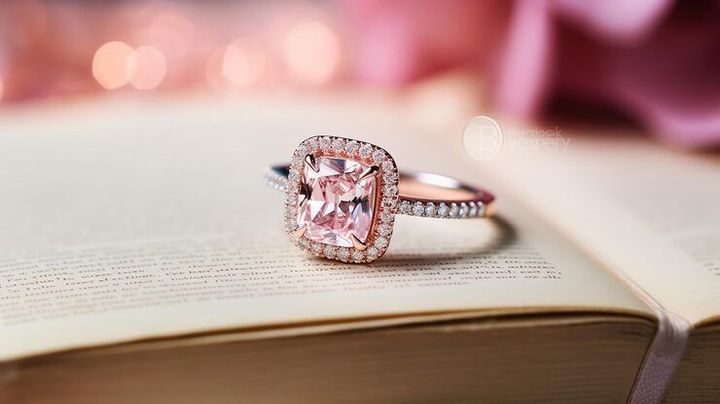
Emerald Cut Diamonds Overview With Color, Clarity, and Certification Insights
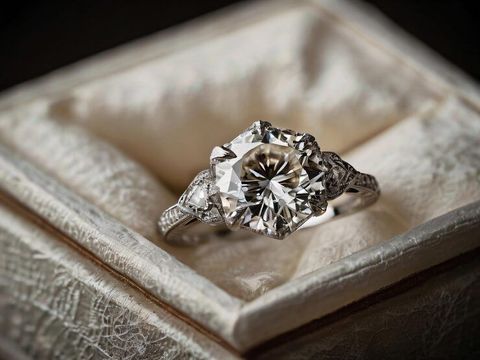
Emerald cut diamonds are rectangular or square-shaped diamonds distinguished by their long, step-cut facets and broad, open appearance. Unlike brilliant cuts, which use many triangular and kite-shaped facets to create intense sparkle, an emerald cut uses a smaller number of larger, parallel facets.
The emerald cut was originally associated with the cutting style used for emerald gemstones, where step facets helped reduce the risk of damage during cutting. The technique was later adapted for diamonds and became a recognized diamond shape. Today, emerald cut diamonds appear in rings, earrings, pendants, and other jewelry designs.
The rectangular outline can vary considerably. Some emerald cut diamonds are long and narrow, while others have proportions closer to a square. The visible appearance depends on length-to-width ratio, facet arrangement, color, clarity, polish, symmetry, and the setting surrounding the stone.
Because the facets are relatively large and open, emerald cut diamonds can make internal characteristics more visible than some other diamond cuts. This makes color, clarity, and certification particularly relevant when examining an emerald cut diamond.
How Emerald Cut Diamonds Are Structured
An emerald cut normally has a large table and stepped facets arranged in geometric rows. The broad table allows the viewer to look relatively deeply into the diamond, while the step facets reflect light in larger, more defined patterns.
The shape is generally categorized as a fancy diamond shape rather than a round brilliant. Its appearance is therefore evaluated somewhat differently from a traditional round diamond.
Important visual characteristics include:
Length-to-width ratio
Table proportion
Depth proportion
Color appearance
Clarity characteristics
Polish
Symmetry
Facet alignment
Transparency and visual appearance
The setting can also influence how the diamond appears. A four-prong, bezel, halo, or three-stone arrangement can produce different visual effects around the same general diamond shape.
Importance
Understanding emerald cut diamonds matters because their visual character differs significantly from other common diamond shapes. A buyer, collector, jewelry professional, or general reader can better interpret a diamond report when familiar with how step-cut facets interact with color and clarity.
The large facets make the diamond's interior easier to observe. Small inclusions or differences in transparency may therefore be noticeable depending on their location, size, type, and contrast with the surrounding material.
Color in Emerald Cut Diamonds
Diamond color describes the degree to which a diamond appears colorless or contains visible yellow or brown tones. Standard grading systems commonly use a scale beginning with D for the highest colorless category and continuing through progressively more noticeable color grades.
Emerald cut diamonds can show color relatively clearly because their broad facets provide larger areas through which the viewer can observe the stone. However, color perception is affected by lighting, diamond size, proportions, setting, and the observer.
A simplified color reference is shown below:
| Color Range | General Description | Visual Consideration |
|---|---|---|
| D–F | Colorless | Very little visible body color |
| G–J | Near colorless | Subtle warmth may become visible |
| K–M | Faint color | Warmer appearance may be noticeable |
| N–R | Very light color | More apparent body color |
| S–Z | Light color | Noticeable yellow or brown tones |
These categories describe grading terminology rather than a guarantee of how every individual diamond will appear. Lighting conditions can change perceived color.
Clarity in Emerald Cut Diamonds
Clarity refers to internal characteristics, known as inclusions, and surface characteristics, known as blemishes. Grading laboratories assess these features at a specified magnification and assign a clarity grade according to established criteria.
Emerald cut diamonds require particular attention to clarity because their step facets can make internal features easier to see. An inclusion located directly under the table may be more noticeable than one positioned near the edge.
Common clarity grades include:
Flawless
Internally Flawless
Very, Very Slightly Included
Very Slightly Included
Slightly Included
Included
The visual impact of an inclusion depends on more than its grade. Its position, size, color, shape, and contrast can all influence whether it is noticeable under normal viewing conditions.
Certification and Grading Reports
A diamond grading report provides documented information about characteristics assessed by a gemological laboratory. Depending on the laboratory, a report may include the diamond's measurements, shape, color grade, clarity grade, cut-related observations, polish, symmetry, fluorescence, and identifying information.
Certification terminology can sometimes be confusing because a grading report and a commercial guarantee are not the same thing. A laboratory report describes assessed characteristics under defined grading procedures.
When examining an emerald cut diamond, the report can provide a useful reference point for comparing its documented characteristics with its physical appearance.
Recent Updates
From 2024 through 2026, the diamond sector has continued to see greater consumer interest in laboratory-grown diamonds, digital grading information, traceability, and more detailed online product visualization. These developments have also influenced how consumers research traditional and laboratory-grown emerald cut diamonds.
Digital Diamond Information
Digital grading reports and report-verification systems have become increasingly common. These tools can allow users to review a report number and compare documented characteristics with information associated with a particular stone.
Digital records can also make it easier to organize diamond information during jewelry research. However, a digital record should still be checked against the physical stone and accompanying documentation when applicable.
Laboratory-Grown Emerald Cut Diamonds
Emerald cut is available in both naturally formed and laboratory-grown diamonds. Laboratory-grown diamonds have essentially the same chemical composition and crystal structure as natural diamonds, although their formation environments and growth processes differ.
Laboratory-grown stones can also receive grading reports describing color, clarity, measurements, and other characteristics. The report should clearly identify the diamond's origin classification.
Greater Attention to Proportions
Online diamond viewing has increased attention to measurements and proportions. Shoppers can compare length-to-width ratios, table dimensions, depth, and other specifications before examining a diamond in person.
However, numerical proportions do not completely describe visual appearance. Two emerald cut diamonds with similar measurements can display different facet patterns, transparency, brightness, and contrast.
Traceability and Documentation
The diamond industry has continued developing systems for documenting origin, movement, and characteristics. Traceability can involve records maintained through different stages of the supply chain.
Documentation practices vary according to the diamond's origin and the organizations involved. Consumers may encounter information relating to grading, provenance, laboratory-grown status, or chain-of-custody documentation.
Laws or Policies
Diamond-related rules vary by country and can involve consumer protection, advertising, product disclosure, import controls, taxation, trade restrictions, and gemstone identification. There is no single worldwide legal framework governing every aspect of diamond transactions.
Diamond Disclosure
In many markets, businesses are expected to accurately describe whether a diamond is natural, laboratory-grown, or treated. Material characteristics should not be represented in a misleading manner.
For laboratory-grown diamonds, clear disclosure of their origin is particularly important. Terminology used in advertising and product descriptions may be regulated by consumer-protection authorities.
Certification and Consumer Information
A grading report is separate from a legal ownership document. It provides information about the diamond's assessed characteristics but does not necessarily establish its market value or future financial performance.
Consumers should distinguish between laboratory grading information, commercial descriptions, insurance documentation, and legal paperwork. Each document can serve a different purpose.
Trade and Origin Requirements
International diamond trade can be affected by import controls, sanctions, customs rules, and systems intended to address the movement of conflict diamonds. The Kimberley Process is an international framework designed to reduce trade in rough diamonds associated with conflict.
Specific requirements depend on the country involved and the type and origin of the diamond. Current national rules should therefore be checked when international movement is involved.
Tools and Resources
Several tools can help readers understand emerald cut diamonds. Diamond proportion calculators can display relationships among length, width, depth, and other measurements. These calculations can help explain why two stones with similar weights may have different visual proportions.
Grading-report verification tools can help readers compare a report number with the corresponding laboratory record. Measurement diagrams can also provide information about the stone's dimensions and facet arrangement.
Useful resources include:
Diamond grading reports
Laboratory report verification systems
Diamond proportion calculators
Length-to-width ratio calculators
Gemological reference guides
Jewelry measurement charts
Ring-size measurement tools
Diamond fluorescence references
Digital loupe and magnification tools
Jewelry design software
A basic comparison of important emerald cut characteristics is shown below:
| Characteristic | What It Describes | Why It Matters |
|---|---|---|
| Color | Degree of body color | Influences visual appearance |
| Clarity | Internal and surface characteristics | Large facets can reveal inclusions |
| Length-to-width ratio | Overall shape proportions | Determines whether the stone looks narrow or broad |
| Table | Large upper facet area | Influences visual presentation |
| Depth | Overall vertical proportion | Relates to the stone's geometry |
| Polish | Surface finish | Affects facet surface quality |
| Symmetry | Alignment of facets and outline | Influences geometric appearance |
| Fluorescence | Reaction under ultraviolet light | Can affect appearance under certain lighting |
A loupe or microscope can provide a closer view of clarity characteristics, although laboratory grading remains the formal reference for the stated grade. Lighting should also be considered when comparing diamonds because appearance can change under different illumination conditions.
FAQs
What are emerald cut diamonds?
Emerald cut diamonds are step-cut diamonds with a rectangular or square outline and broad, parallel facets. Their appearance is generally characterized by broad flashes of light rather than the intense sparkle pattern associated with round brilliant diamonds.
Is color important in emerald cut diamonds?
Yes. The broad facets of an emerald cut can make body color relatively visible. Color perception depends on the diamond's grade, size, proportions, lighting, setting, and individual visual characteristics.
Why does clarity matter for emerald cut diamonds?
Clarity can be particularly noticeable because emerald cuts have large, open facets. The position, size, type, and contrast of an inclusion can influence how visible it appears when the stone is viewed.
What does an emerald cut diamond certification report show?
A grading report can document characteristics such as measurements, shape, color, clarity, polish, symmetry, fluorescence, and other identifying information. The exact information depends on the grading laboratory and report format.
How does the length-to-width ratio affect an emerald cut diamond?
The length-to-width ratio influences whether an emerald cut appears long and narrow, moderately rectangular, or closer to square. It is one of several measurements used to understand the diamond's overall geometry.
Conclusion
Emerald cut diamonds are defined by their rectangular or square outline and step-cut facet arrangement, producing broad reflections and a distinctive geometric appearance. Color and clarity can be particularly noticeable because of the large, open facets, while proportions influence the stone's overall shape. Grading reports provide documented information about characteristics such as color, clarity, measurements, polish, and symmetry. Current diamond research increasingly includes digital documentation, laboratory-grown stones, traceability information, and detailed proportion analysis.