Explore Capsule Hotel Experiences With Privacy, Comfort, and Travel Information
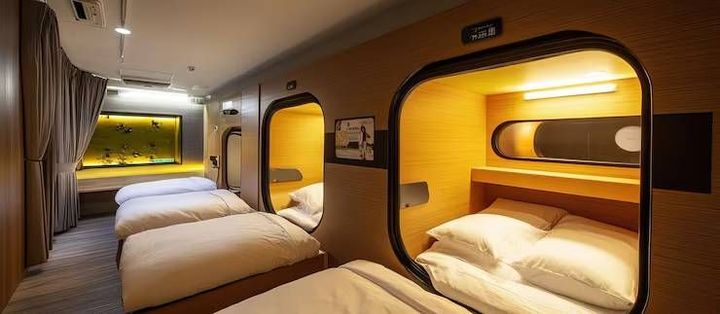
Capsule hotels are a type of compact accommodation designed around individual sleeping spaces rather than conventional full-size hotel rooms. A typical capsule consists of a small enclosed or semi-enclosed sleeping compartment containing a bed, lighting, ventilation, and sometimes a small shelf or charging area.
Shared facilities such as bathrooms, lounges, lockers, and dining areas are commonly located outside the capsule.
The concept originated in Japan and became associated with travelers who needed a practical place to rest without requiring a conventional private room. Over time, capsule accommodation expanded into different markets and adapted to airports, city centers, transportation hubs, and other locations where travelers may value convenient overnight accommodation.
Although capsule hotels are associated with compact spaces, designs vary considerably. Some provide basic sleeping pods, while others include larger capsules, individual entertainment systems, work areas, adjustable lighting, or enhanced sound insulation. The overall experience depends on the property layout, capsule design, shared facilities, and house rules.
Capsule hotels can be particularly relevant to solo travelers, short-stay visitors, business travelers, transit passengers, and people exploring cities where accommodation space is limited. The format can also appeal to travelers who spend much of their day outside and primarily need a place for sleeping and personal organization.
How Capsule Hotels Are Organized
A capsule hotel generally divides accommodation into individual sleeping units and shared areas. The sleeping area may include a mattress, bedding, reading light, electrical outlet, ventilation, and small storage features.
Common shared areas include:
Reception or check-in area
Locker or luggage storage area
Shared bathrooms
Shower rooms
Lounge spaces
Dining or refreshment areas
Work or relaxation areas
Laundry facilities
Some properties separate sleeping areas by floor, section, or designated zones. Certain accommodations may also have separate areas for different groups of guests according to their operating policies.
Capsule Design and Privacy
Privacy is created through physical separation rather than a traditional room structure. Curtains, sliding panels, blinds, partitions, or enclosed doors can provide varying degrees of separation.
A capsule generally does not provide the same space or sound isolation as a conventional hotel room. Travelers who value quiet surroundings should therefore examine the property's sleeping-area design, quiet-hour policies, and available privacy features before selecting accommodation.
Importance
Capsule hotels have become part of the wider accommodation landscape because they address a particular travel requirement: providing an individual sleeping space within a compact shared environment. They can be relevant in busy destinations where travelers may spend relatively little time inside their accommodation.
The concept also reflects changes in travel patterns. Short city visits, overnight transit, solo travel, and flexible itineraries can create demand for accommodation formats that emphasize sleeping and essential personal facilities rather than large private rooms.
Who Uses Capsule Hotels?
Capsule accommodation can appeal to several types of travelers. Solo visitors may appreciate having an individual sleeping space without occupying an entire conventional room. Transit passengers may use capsule accommodation when they need to rest between travel segments.
Other potential users include:
Backpackers
Solo travelers
Business travelers
Students traveling independently
Short-stay visitors
Transit passengers
Travelers attending events
People exploring urban destinations
Suitability depends on personal preferences. Travelers who need substantial personal space, private bathrooms, or extensive in-room facilities may prefer conventional accommodation.
Privacy and Comfort
Privacy in a capsule hotel is different from privacy in a standard hotel room. A capsule creates a defined personal zone, but bathrooms, showers, lounges, and some storage areas may be shared.
Comfort can depend on mattress quality, ventilation, temperature control, capsule dimensions, bedding, lighting, and noise levels. Some properties provide adjustable lighting and ventilation within each capsule, while others use shared environmental controls.
Luggage and Personal Storage
Capsule accommodation generally requires travelers to consider luggage carefully. Large suitcases may be stored in dedicated lockers or luggage areas rather than inside the sleeping capsule.
A traveler should understand the available storage arrangement before arrival, particularly when carrying larger bags. Valuable personal items may also need to remain in designated secure storage or with the traveler according to property rules.
Shared Facilities
Shared bathrooms and shower rooms are common features of capsule hotels. Cleanliness, layout, availability, and operating hours can vary between properties.
Some properties also include lounges where guests can read, work, eat, or rest outside their sleeping capsules. These spaces can provide additional room when the capsule itself is designed primarily for sleeping.
Recent Updates
From 2024 through 2026, capsule accommodation has continued to develop beyond the basic sleeping-pod model. Modern properties increasingly combine compact accommodation with digital check-in systems, improved personal controls, workspace areas, and technology-oriented facilities.
Digital Travel Experience
Some capsule hotels use digital systems for reservations, check-in, access control, payment processing, and guest communication. Mobile applications or digital kiosks can reduce the need for conventional reception procedures at certain properties.
Electronic locks and access systems can also be used for capsule areas, lockers, and shared facilities. The exact technology varies between properties and countries.
Improved Capsule Features
Contemporary capsule designs can include features intended to make compact spaces more comfortable. These may include:
Adjustable lighting
Individual ventilation controls
Electrical charging points
Reading lights
Small storage compartments
Sound-reduction materials
Foldable or compact work surfaces
Entertainment screens
Not every property includes these features. Travelers should examine the actual accommodation description rather than assuming that all capsule hotels have identical facilities.
Work and Long-Stay Features
Some capsule properties have expanded shared spaces to accommodate travelers who need to work or spend more time at the accommodation. Tables, seating areas, charging stations, and internet access can make common spaces more practical for longer stays.
This development reflects the overlap between accommodation and flexible travel routines. However, capsule hotels remain primarily accommodation environments, and workspace availability varies significantly.
Airport and Transit Accommodation
Capsule-style accommodation has also become associated with airports and transportation hubs. These locations can be useful for travelers with early departures, late arrivals, or extended transit periods.
The design can range from simple sleeping pods to more developed compact rooms. Location within or near a transportation hub can influence the practical usefulness of such accommodation.
Laws or Policies
Capsule hotels are subject to accommodation, building, fire safety, sanitation, accessibility, licensing, and tourism regulations in the country or jurisdiction where they operate. Requirements differ according to local legislation and the structure of the property.
Fire and Building Safety
Because capsule hotels contain multiple sleeping units within a shared building, fire safety is an important consideration. Regulations can address emergency exits, fire detection, alarms, extinguishing equipment, evacuation routes, electrical systems, and occupancy limits.
The exact requirements depend on the building type and local regulations. Travelers should follow posted evacuation instructions and emergency procedures while staying in any shared accommodation.
Guest Registration
Accommodation providers may have requirements concerning guest identification and registration. These rules vary by jurisdiction and can apply differently to domestic and international travelers.
Check-in procedures can include identity verification, registration forms, access credentials, and information about property rules. Digital systems may be used alongside or instead of traditional reception processes where permitted.
Health, Hygiene, and Accessibility
Shared accommodation is generally subject to sanitation and public-health requirements. Bathrooms, showers, ventilation systems, sleeping areas, and common spaces may be covered by applicable standards.
Accessibility requirements can also influence building layouts and facilities. Depending on local regulations, properties may need accessible routes, bathrooms, elevators, emergency arrangements, or designated accommodation areas.
House Rules
Capsule hotels commonly establish rules concerning noise, food, smoking, alcohol, visitors, personal belongings, check-in times, and use of shared facilities. These rules can differ substantially between properties.
Guests should understand the policies before arrival because sleeping areas are often located close together. Quiet periods may be particularly important for maintaining a suitable environment for sleeping.
Tools and Resources
Travelers can use several planning tools when researching capsule accommodation. Accommodation comparison platforms can help examine location, room descriptions, facilities, guest policies, and available dates.
Digital maps are useful for understanding walking distances between a capsule hotel, airports, railway stations, attractions, restaurants, and public transportation. Travel itinerary applications can also help organize check-in times and transportation connections.
Useful resources include:
Accommodation comparison platforms
Digital mapping applications
Public transportation planners
Travel itinerary tools
Currency conversion tools
Weather applications
Luggage planning checklists
Digital translation tools
Travel insurance information
Property accessibility information
Guest policy summaries
Airport and transportation maps
A simplified comparison of accommodation features can help travelers understand the main differences:
| Feature | Capsule Hotel | Conventional Hotel |
|---|---|---|
| Sleeping space | Individual capsule | Private room |
| Bathroom | Often shared | Commonly private |
| Personal space | Compact | Larger |
| Common areas | Frequently shared | Varies |
| Storage | Locker or designated area | Usually inside room |
| Privacy | Partition or enclosed capsule | Full room |
| Social environment | More shared | Generally more private |
| Space for luggage | Often limited inside capsule | Usually greater |
Planning a Capsule Hotel Stay
Before booking accommodation, travelers can examine several practical details. Capsule dimensions, luggage arrangements, bathroom design, check-in procedures, quiet hours, access restrictions, and location can all influence the experience.
It can also be useful to check whether the accommodation separates sleeping areas from social spaces. A property with a large lounge may provide more opportunities to spend time outside the capsule, while a simpler layout may focus primarily on sleeping facilities.
FAQs
What is a capsule hotel?
A capsule hotel is an accommodation format that provides compact individual sleeping spaces within a larger shared facility. Guests commonly share bathrooms, showers, lounges, and other areas.
Are capsule hotels private?
Capsule hotels provide individual sleeping areas, but privacy varies by design. Curtains, blinds, partitions, or enclosed structures can separate the sleeping space, while bathrooms and some other facilities may remain shared.
Are capsule hotels comfortable for overnight travel?
Comfort depends on capsule dimensions, mattress quality, ventilation, temperature, lighting, noise conditions, and available facilities. Travelers should review the specific property details because capsule designs vary.
What should travelers know about capsule hotel luggage storage?
Many capsule hotels provide lockers or designated luggage areas because capsules often have limited floor space. The size of the available storage can vary, so travelers carrying large luggage should check the property's arrangements.
Are capsule hotels suitable for solo travelers?
Capsule hotels can be suitable for solo travelers because each guest generally receives an individual sleeping space. However, shared facilities and compact dimensions mean the experience differs from staying in a conventional private room.
Conclusion
Capsule hotels provide compact individual sleeping spaces within accommodation environments that commonly include shared bathrooms, lounges, storage areas, and other facilities. Privacy and comfort depend on capsule construction, sound conditions, ventilation, bedding, storage arrangements, and property policies. Recent developments include digital check-in systems, improved capsule controls, workspace areas, and technology-oriented facilities. Travelers should also consider local accommodation rules, fire safety arrangements, accessibility, luggage policies, and shared-facility conditions when understanding the capsule hotel experience.