Explore Industrial Cleaning Equipment: Pressure Washers, Vacuum Systems, Scrubbers and Maintenance
Industrial cleaning equipment includes machines and tools used to remove dust, dirt, oil, debris, residues, and other unwanted materials from factories, warehouses, workshops, production areas, transport facilities, and other large environments. Common equipment includes pressure washers, industrial vacuum systems, floor scrubbers, sweepers, extraction machines, and specialized cleaning units.
Context
The development of industrial cleaning equipment is closely connected with the growth of manufacturing and large-scale facilities. As production areas became larger and machinery more complex, manual cleaning alone became increasingly difficult for routine maintenance. Mechanical cleaning equipment was developed to handle larger surfaces, heavier contamination, and repeated cleaning tasks.
Different machines use different cleaning principles. Pressure washers use pressurized water, vacuum systems create suction, scrubbers combine water and mechanical brushing, and sweepers collect loose particles from floors. Choosing the appropriate equipment depends on the material being removed, surface type, available utilities, operating environment, and required cleaning frequency.
Main types of industrial cleaning equipment
Industrial cleaning equipment can be grouped according to its primary function.
- Pressure washers use pressurized water to loosen and remove dirt, grease, deposits, and other surface contaminants.
- Industrial vacuum systems collect dust, chips, liquids, and other materials through suction.
- Floor scrubbers apply water and cleaning chemicals while mechanical brushes or pads agitate the surface.
- Industrial sweepers collect dry debris such as dust, sand, packaging fragments, and production residues.
- Carpet and upholstery extraction machines inject liquid and recover it through suction.
- Steam cleaning equipment uses heated water vapor for applications where high-temperature cleaning is appropriate.
The operating principle matters because equipment designed for dry dust collection may not be appropriate for liquids, while a pressure washer may be unsuitable for surfaces that could be damaged by high-pressure water.
Understanding pressure washers
Pressure washers consist of a pump, motor or engine, water inlet, hose, spray system, and nozzle. The pump increases water pressure before the water reaches the spray nozzle.
Pressure, water flow, nozzle design, temperature, and cleaning chemistry can all influence cleaning performance. Hot-water pressure washers can be useful when dealing with certain oils and grease because heat can help loosen some contaminants.
Understanding vacuum systems
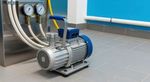
Industrial vacuum systems are designed to collect material rather than simply move it around. They can be configured for dry materials, liquids, or both, depending on the machine.
Important characteristics include suction performance, filtration, container capacity, hose diameter, filter type, and the material being collected. Specialized systems may be required when the material involves hazardous, fine, or combustible dust.
Importance
Industrial cleaning equipment plays an important role in maintaining usable and organized working environments. Accumulated dust, production debris, spilled liquids, and residues can interfere with normal operations and create additional housekeeping challenges.
Cleaning requirements also vary significantly between facilities. A metalworking area may produce chips and oily residues, while a food-processing environment may have different sanitation requirements. Warehouses may primarily deal with dust and packaging debris, whereas workshops may require a combination of vacuuming, pressure washing, and floor scrubbing.
Matching equipment to the cleaning task
The cleaning method should correspond to the type of contamination and the surface being cleaned.
| Cleaning requirement | Common equipment | Main operating method |
|---|---|---|
| Dust and dry debris | Industrial vacuum or sweeper | Suction or mechanical collection |
| Oil and grease | Pressure washer or suitable scrubber | Water pressure, heat, brushing |
| Large hard floors | Floor scrubber | Water, brushes and recovery suction |
| Liquid spills | Wet vacuum | Suction and collection |
| Fine particulate matter | Filtered vacuum system | Controlled suction and filtration |
| Outdoor hard surfaces | Pressure washer | Pressurized water |
| Mixed floor debris | Sweeper-scrubber | Sweeping, washing and recovery |
Equipment selection also depends on the surface. Concrete, coated floors, tiles, metal, plastic, and other materials can respond differently to pressure, heat, brushes, and cleaning chemicals.
Why filtration matters
Filtration is particularly important in vacuum systems. A vacuum that collects fine particles without appropriate filtration may allow some particles to pass through the system and return to the surrounding environment.
High-efficiency filters, multi-stage filtration, and specialized dust-collection arrangements may be used for particular applications. The required filtration level depends on the material being collected and the conditions in which the equipment operates.
Water and chemical management
Industrial cleaning can involve substantial quantities of water and cleaning chemicals. Equipment design can therefore influence how much water is used and how effectively it is recovered.
Scrubber-dryers, for example, apply cleaning solution to a floor and then recover much of the liquid through a suction system. Proper recovery helps reduce standing water and can support more controlled cleaning processes.
Recent Updates
From 2024 through 2026, industrial cleaning equipment has continued moving toward greater automation, battery-powered operation, data collection, and more controlled use of water and cleaning chemicals. Industry discussions have increasingly focused on environmental performance, closed-loop approaches, and equipment designed to improve measurable cleaning processes. ISSA coverage has also highlighted developments involving large-format machines, ride-on scrubbers, autonomous sweepers, and sustainability practices.
Battery-powered equipment
Battery-powered scrubbers, sweepers, and vacuum systems are increasingly used in environments where electrical cables could interfere with movement. Battery systems can also allow equipment to operate without a direct connection to a mains electrical outlet.
Battery technology continues to influence machine design, including operating duration, charging arrangements, battery monitoring, and energy management. The suitability of battery equipment depends on the size of the facility and the length and intensity of cleaning activities.
Autonomous cleaning machines
Autonomous floor-cleaning equipment combines sensors, navigation systems, software, and mechanical cleaning components. These machines can map areas, follow planned routes, detect obstacles, and perform programmed cleaning tasks.
Autonomous systems do not eliminate the need for human oversight. Facility layouts, obstacles, spills, equipment conditions, and changes in operating areas can affect how automated machines perform.
Smarter monitoring
Some modern cleaning machines include digital displays, usage records, battery information, error notifications, and operating data. Connected systems can help facility managers understand machine utilization and maintenance intervals.
The increasing use of data does not change the fundamental importance of correct machine selection, operator training, inspection, and routine maintenance.
Laws or Policies
Industrial cleaning equipment is influenced by several categories of regulations and technical standards. Requirements vary by jurisdiction and by the type of equipment, workplace, chemicals, waste, electrical system, and material being handled.
Electrical safety requirements can apply to powered cleaning machines, while workplace safety rules may address moving machinery, noise, electrical hazards, chemical exposure, slips, and other risks. Environmental regulations may also apply to wastewater, chemical discharge, and disposal of collected materials.
International standards are used for certain types of commercial and industrial cleaning equipment. IEC 60335-2-69:2021, for example, addresses safety requirements for electrically operated wet and dry vacuum cleaners and dust extractors used in commercial environments, including industrial locations. It also includes provisions concerning certain hazardous and combustible dust applications.
For combustible dust, additional equipment requirements can apply. IEC 62784 addresses certain mobile motor-operated vacuum cleaners and dust extractors designed for collecting combustible dust in explosive dust atmospheres.
Chemical and wastewater considerations
Cleaning chemicals may be subject to labeling, handling, storage, exposure, and disposal requirements. Wastewater containing oils, chemicals, suspended solids, or other contaminants may also require controlled collection and disposal.
Because regulations differ between jurisdictions, equipment operators and facility managers need to follow the rules applicable to their location and industry. Manufacturer instructions and relevant technical standards can provide additional equipment-specific information.
Tools and Resources
Several practical resources can help with industrial cleaning equipment planning and maintenance.
Equipment specifications
Technical specification sheets normally provide information about pressure, water flow, motor power, tank capacity, filtration, working width, battery characteristics, dimensions, and operating requirements.
Comparing these specifications can help explain how different machines are designed for different applications.
Cleaning schedules
A cleaning schedule can organize recurring tasks according to area and equipment type. A simple template can include:
- Cleaning area
- Surface type
- Contamination type
- Equipment used
- Cleaning frequency
- Chemical or water requirements
- Inspection status
- Maintenance notes
Maintenance records
Maintenance records can track filter replacement, brush or pad inspection, hose condition, nozzle condition, battery checks, fluid levels, and other routine tasks.
Regular inspection can help identify worn components before they interfere with normal equipment operation.
Standards and technical references
International standards organizations and national regulatory authorities provide technical and regulatory information for applicable equipment categories. The IEC database contains standards covering commercial vacuum cleaners, dust extractors, floor treatment machines, and related equipment.
Manufacturer manuals are also important because operating limits, recommended inspection procedures, compatible accessories, and maintenance intervals vary between machines.
FAQs
What is industrial cleaning equipment used for?
Industrial cleaning equipment is used to remove dust, debris, liquids, grease, residues, and other contaminants from industrial and commercial environments. Different machines are designed for different surfaces and materials.
How do industrial pressure washers work?
Industrial pressure washers use a pump to increase water pressure before directing the water through a hose and nozzle. Pressure, flow rate, temperature, and nozzle design influence how the water interacts with the surface.
What is an industrial vacuum system?
An industrial vacuum system uses suction to collect materials such as dust, chips, debris, and liquids. The appropriate filtration and collection arrangement depends on the material being collected.
What should be considered when selecting floor scrubbers?
Important factors include floor material, cleaning area, contamination type, machine dimensions, brush or pad configuration, water capacity, recovery capacity, power source, and operating environment.
How often should industrial cleaning equipment be maintained?
Maintenance frequency depends on machine design, operating hours, working conditions, and manufacturer instructions. Routine inspection can include filters, hoses, brushes, pads, recovery systems, batteries, cables, and other components subject to wear.
Conclusion
Industrial cleaning equipment includes pressure washers, vacuum systems, scrubbers, sweepers, and specialized machines designed for different cleaning conditions. Equipment selection depends on the material being removed, surface characteristics, operating environment, water requirements, filtration needs, and maintenance practices. Recent developments have included battery-powered machines, autonomous cleaning systems, digital monitoring, and greater attention to resource use. Safety standards and local regulations also influence how industrial cleaning equipment is designed, operated, maintained, and used.