Explore Island Overwater Bungalows With Ocean Views, Privacy, and Island Getaway Ideas
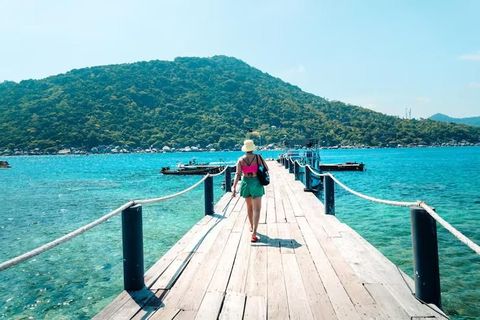
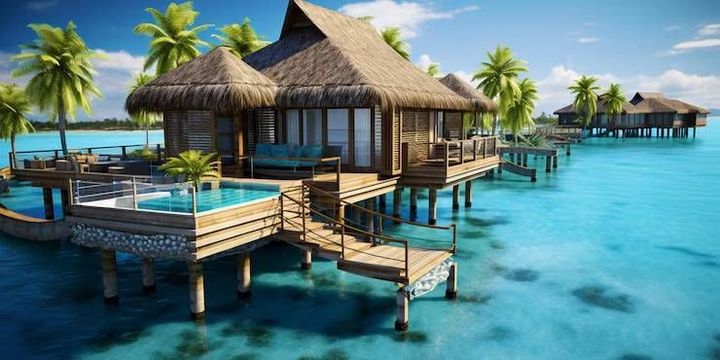
Island overwater bungalows are accommodation units constructed above a lagoon, sheltered coastal water, or shallow sea area and connected to land by a walkway or pier.
They are associated with tropical island destinations where calm, clear water and suitable coastal conditions allow buildings to extend over the water. An overwater bungalow may include a bedroom, bathroom, outdoor deck, seating area, and direct views toward the surrounding ocean or lagoon.
The concept developed from traditional coastal structures and later became part of modern island tourism. Designers adapted the idea to provide private accommodation while making use of waterfront locations. Today, these structures range from relatively simple wooden units to technologically equipped rooms with climate control, glass floor sections, private terraces, and other architectural features.
Island overwater bungalows are generally planned around their relationship with the surrounding environment. Their position can influence views, sunlight, wind exposure, water access, privacy, and movement between accommodation areas. The design therefore combines hospitality planning with marine construction, environmental considerations, and local building requirements.
What Defines an Overwater Bungalow
An overwater bungalow usually has several characteristics that distinguish it from a conventional beachfront room. The structure is positioned above water and commonly connected to land or another part of the property by a raised walkway.
Common features may include:
Private or semi-private outdoor decks
Views across a lagoon or ocean
Steps providing access toward the water where permitted
Large windows or sliding doors
Shaded outdoor seating
Glass panels or viewing sections in selected designs
Indoor climate-control systems
Lighting designed for both indoor and outdoor areas
The exact design depends on local weather, water depth, building methods, environmental conditions, and architectural preferences.
Ocean Views and Orientation
The direction in which an overwater bungalow faces can influence the experience of the accommodation. A unit facing open water may provide broader horizons, while one positioned toward a lagoon may have calmer water and views of nearby islands.
Sunrise and sunset visibility also depends on geographic orientation and seasonal conditions. Trees, neighboring structures, walkways, and surrounding landforms can affect the actual view from a particular room.
Importance
Island overwater bungalows are important within the wider tourism and accommodation sector because they combine architecture, coastal environments, privacy, and leisure travel. They appeal to travelers interested in spending time near the water while remaining in a dedicated accommodation setting.
These properties also create planning challenges. Structures above water must account for waves, wind, tides, corrosion, marine ecosystems, drainage, emergency access, and long-term structural maintenance. The surrounding environment is therefore an important part of both design and operation.
Privacy and Personal Space
Privacy is one reason travelers consider overwater accommodation. Individual units may be separated by distance, landscaping, screened partitions, changes in orientation, or the positioning of decks.
However, privacy varies considerably between properties. Walkways, neighboring bungalows, shared facilities, boat routes, and the arrangement of outdoor spaces can influence how secluded a particular unit feels.
Island Getaway Planning
An island getaway involves more than selecting accommodation. Travelers may need to consider transportation, weather, seasonal conditions, local activities, food arrangements, water access, communications, and the distance between the accommodation and major transport points.
Planning considerations can include:
Travel connections to the island
Transfer arrangements between airports, ports, and accommodation
Seasonal weather patterns
Room orientation and view
Accessibility requirements
Water activities and safety conditions
Local cultural and environmental rules
Available dining arrangements
Emergency and medical access
Length of stay
Understanding these factors helps travelers compare accommodation types according to their own needs rather than focusing only on appearance.
Environmental Considerations
Construction above water can affect marine habitats, water circulation, coastal vegetation, and sediment movement. Responsible island development therefore requires attention to the surrounding ecosystem.
Some properties incorporate wastewater management, energy monitoring, water conservation, renewable-energy systems, low-impact lighting, and construction practices intended to reduce environmental disturbance. The actual environmental approach varies by destination and property.
Recent Updates
From 2024 through 2026, island accommodation has continued to reflect broader tourism trends involving sustainability, digital planning, wellness, privacy, and personalized travel experiences. Overwater accommodation remains connected to these trends while also facing environmental and infrastructure challenges.
Sustainable Island Accommodation
Environmental planning has become increasingly visible in island hospitality. Water scarcity, energy requirements, waste management, coastal erosion, and marine ecosystem protection are important considerations for island destinations.
Accommodation operators may use systems such as rainwater collection, efficient lighting, solar energy, wastewater treatment, energy monitoring, and reduced single-use materials. These measures vary according to local infrastructure and environmental regulations.
Technology in Overwater Bungalows
Digital technology has become a routine part of modern accommodation. Guests may encounter mobile check-in systems, digital room controls, smart lighting, wireless internet, electronic access systems, and applications for communicating with property staff.
Technology can also support facility management. Sensors may monitor electricity consumption, water use, temperature, equipment status, or building conditions. These systems can provide information that helps property teams understand resource use and maintenance requirements.
Privacy and Wellness Trends
Travel preferences have increasingly included private outdoor spaces, quiet surroundings, nature-based activities, and wellness-focused experiences. Overwater accommodation naturally intersects with these interests because its architecture creates a direct relationship with the water and surrounding landscape.
Wellness facilities may include outdoor relaxation areas, fitness spaces, treatment rooms, meditation areas, or activities involving nature. Availability varies significantly between properties and destinations.
Changing Travel Planning
Travelers increasingly research accommodation characteristics before confirming an itinerary. Online maps, satellite imagery, property photographs, room layouts, traveler reviews, weather information, and transportation planning tools can help people understand the location before arrival.
Room categories can differ substantially within the same property. Travelers therefore need to examine the specific accommodation type rather than assuming every overwater unit has the same view, deck arrangement, privacy level, or water access.
Laws or Policies
Overwater accommodation is affected by several categories of rules, including coastal development, construction, environmental protection, tourism regulation, water management, waste disposal, and public safety. The exact requirements depend on the destination country and the specific marine environment.
Coastal and Marine Regulations
Buildings located over water may require approvals related to coastal zones, marine areas, shoreline development, or protected ecosystems. Authorities may assess factors such as structural safety, water circulation, environmental effects, navigation, and the protection of sensitive habitats.
Some island regions have additional restrictions where coral reefs, wetlands, protected marine areas, or other environmentally sensitive locations are present. Development permissions can therefore vary between islands within the same country.
Building and Safety Requirements
Overwater structures must account for environmental forces such as wind, waves, tides, humidity, and salt exposure. Building rules may address structural design, foundations, electrical systems, fire protection, emergency access, occupancy limits, and evacuation arrangements.
Electrical installations require particular attention because water and electricity create significant safety considerations. Appropriate equipment selection, installation practices, inspection, and maintenance are important parts of an overwater building's infrastructure.
Environmental Policies
Wastewater and solid-waste management are especially relevant to island accommodation because local ecosystems can have limited capacity to absorb pollution. Regulations may establish requirements for wastewater treatment, waste collection, marine discharge, and resource management.
Travelers should also understand local rules concerning coral, marine wildlife, fishing, anchoring, protected areas, and other environmental activities.
Tools and Resources
Several digital tools can help travelers research island overwater bungalows and plan an island getaway. Accommodation comparison platforms can display room categories, location information, facilities, photographs, availability information, and traveler feedback.
Mapping platforms can help users understand an island's geography, while weather applications provide information about seasonal conditions and short-term forecasts. Currency calculators, travel planners, packing checklists, and transportation schedules can also support itinerary preparation.
Useful planning resources include:
Interactive maps
Accommodation comparison platforms
Weather forecasting tools
Travel itinerary planners
Currency conversion calculators
Flight and transportation planning platforms
Accessibility information pages
Packing checklists
Marine-weather information tools
Digital travel documents
A simple comparison framework can help organize the main factors:
| Feature | What to Examine | Why It Matters |
|---|---|---|
| Ocean view | Open water, lagoon, or partial view | Determines visual surroundings |
| Privacy | Unit spacing and deck arrangement | Affects personal outdoor space |
| Water access | Steps, deck, or designated swimming area | Determines how guests interact with the water |
| Location | Distance from main facilities | Influences movement around the property |
| Weather exposure | Wind and seasonal conditions | May affect outdoor use |
| Sustainability | Water, energy, and waste systems | Indicates environmental planning |
| Accessibility | Walkways, transfers, and room access | Important for different mobility needs |
| Connectivity | Internet and communications | Relevant for digital travel needs |
Travelers can also review room maps and property layouts where available. These resources can clarify the relationship between individual bungalows, shared facilities, beaches, restaurants, walkways, and transportation points.
FAQs
What are island overwater bungalows?
Island overwater bungalows are accommodation units built above a lagoon or coastal water area. They commonly include private decks and views of surrounding water, although layouts and features differ between properties.
Do overwater bungalows provide ocean views and privacy?
Many are designed around water views and separated outdoor spaces, but the actual level of privacy depends on unit spacing, orientation, nearby walkways, and surrounding structures.
What should I consider when planning an island getaway?
Important factors include transportation, seasonal weather, accommodation location, room orientation, accessibility, water activities, local environmental rules, communications, and emergency access.
Are island overwater bungalows environmentally regulated?
Yes. Construction and operation can be subject to coastal, marine, environmental, wastewater, construction, and tourism requirements. The applicable rules depend on the destination and location.
What tools help with planning an overwater bungalow stay?
Maps, accommodation comparison platforms, weather applications, itinerary planners, transportation tools, currency calculators, and marine-weather resources can help travelers evaluate different aspects of an island trip.
Conclusion
Island overwater bungalows combine coastal architecture, accommodation planning, ocean views, and private outdoor spaces within an island environment. Their design is influenced by marine conditions, environmental considerations, construction requirements, and guest preferences. Recent trends include greater attention to sustainability, digital technology, wellness, privacy, and detailed travel planning. Understanding location, room orientation, environmental policies, accessibility, and transportation can provide a clearer picture of what an overwater accommodation experience involves.