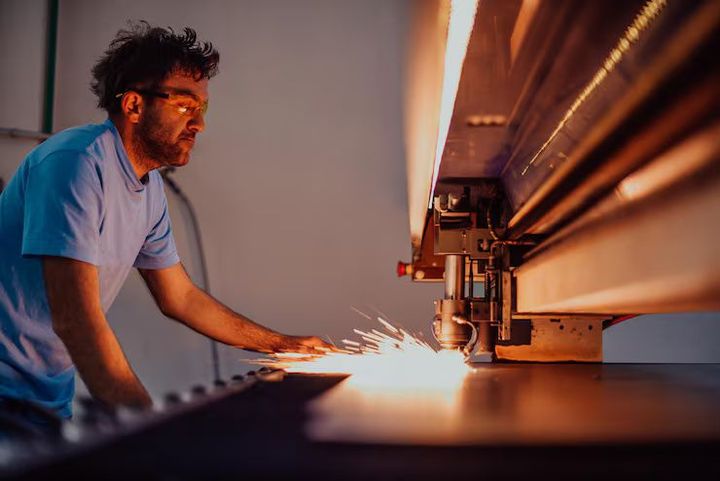
Explore Laser Cutting Machines With Precision Fabrication and Engineering Details
Laser cutting machines are industrial systems that use a concentrated beam of light to cut, shape, or engrave materials with controlled accuracy. The technology developed from advances in laser physics, computer control, optics, and automated manufacturing.
Modern laser cutting machines can process materials such as carbon steel, stainless steel, aluminum, copper, brass, plastics, wood, and selected composite materials. The exact materials depend on the laser type, machine configuration, material thickness, and cutting parameters.
A typical laser cutting process begins with a digital drawing or computer-aided design file. Software converts the design into machine instructions, while the cutting system moves the laser head along programmed paths. Depending on the material, an assist gas such as oxygen, nitrogen, or compressed air may be used to support the cutting process.
Laser technology is used across manufacturing, construction, electronics, automotive production, appliance manufacturing, architectural fabrication, and many other industrial fields. Its ability to create detailed shapes from digital designs makes it an important part of modern precision fabrication.
How Laser Cutting Works
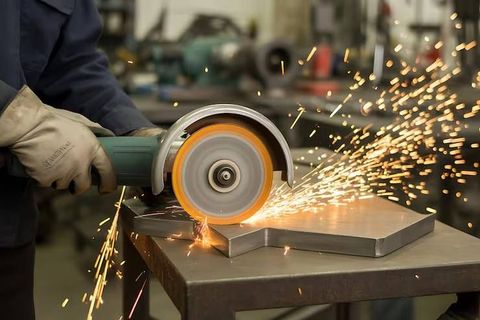
The fundamental process involves generating a laser beam and directing it through an optical system toward the material surface. The concentrated energy heats the material until it melts, vaporizes, or reacts with the surrounding gas.
A computer-controlled motion system guides the cutting head according to the digital design. Sensors and control software can help maintain appropriate cutting conditions by monitoring factors such as position, material height, and process parameters.
The main stages generally include:
- Digital design preparation
- Material positioning
- Machine parameter selection
- Laser beam generation and focusing
- Controlled cutting movement
- Removal of molten or vaporized material
- Inspection of the finished component
Main Types of Laser Cutting Machines
Different laser sources are used for different manufacturing requirements. Fiber lasers are widely associated with metal fabrication because they can efficiently process many metal materials. CO2 lasers can work with various nonmetallic materials and some metals, depending on the machine configuration.
Other systems use specialized laser technologies for particular applications, including fine cutting, engraving, marking, and precision manufacturing.
| Laser system | Common applications | Typical material focus |
|---|---|---|
| Fiber laser | Metal fabrication and sheet processing | Steel, aluminum, copper, brass |
| CO2 laser | Cutting and engraving | Wood, acrylic, plastics, selected metals |
| Diode laser | Specialized cutting and marking | Selected metals and nonmetal materials |
| Pulsed laser | Fine processing and marking | Thin materials and detailed components |
Importance
Laser cutting machines matter because modern manufacturing often requires accurate shapes, repeatable dimensions, and efficient use of raw materials. Traditional cutting approaches can involve mechanical contact between a tool and the workpiece, while laser processing can perform cutting without direct physical contact.
This characteristic can reduce mechanical interaction with the material and allows complex designs to be produced from digital instructions. It also supports automated production environments where machines repeat programmed operations across multiple components.
Industries Using Laser Cutting Technology
The technology affects manufacturers, engineers, designers, fabricators, construction companies, electronics producers, and other industrial users. It is also relevant to people who interact with products made from precisely fabricated components.
Common applications include:
- Sheet metal fabrication
- Automotive components
- Electrical enclosures
- Architectural panels
- Machinery components
- Appliance parts
- Decorative metalwork
- Industrial equipment
- Electronic components
- Structural fabrication
Precision and Material Efficiency
Precision fabrication depends on several factors, including beam quality, focusing, machine movement, material characteristics, and software settings. A properly configured system can create narrow cutting paths, which may help reduce unnecessary material removal.
Computer-controlled cutting also makes it possible to arrange multiple components within a sheet before processing. This process, commonly called nesting, can improve material utilization by positioning shapes more efficiently.
However, actual results depend on material thickness, geometry, machine condition, laser power, cutting speed, and operating parameters. A laser cutting machine does not automatically produce identical results for every material or design.
Factors Affecting Cutting Quality
Cutting quality can be influenced by several technical variables:
- Laser power affects the amount of energy available for processing.
- Cutting speed influences how long the laser interacts with the material.
- Focus position affects the concentration of the beam.
- Assist gas affects the removal of molten material.
- Material thickness influences required processing parameters.
- Nozzle condition can influence gas flow and cutting performance.
- Machine alignment affects beam positioning and dimensional accuracy.
Understanding these factors helps explain why the same machine may require different settings for different materials.
Recent Updates
Laser cutting technology has continued to develop as manufacturers adopt automation, digital production systems, improved sensors, and more sophisticated software. Current trends increasingly connect laser cutting machines with broader manufacturing workflows rather than treating them as isolated pieces of equipment.
Automation and Smart Manufacturing
Automated material loading and unloading systems are becoming more closely integrated with cutting equipment. These systems can move sheets or components between storage, cutting, sorting, and subsequent production stages.
Software integration is another important development. Digital production platforms can connect design files, machine instructions, production schedules, inspection information, and operational data.
Artificial intelligence and machine-learning techniques are also being explored for process monitoring. These approaches can analyze machine data and help identify unusual operating conditions, although their capabilities vary by system.
Improved Fiber Laser Technology
Fiber laser systems have continued to receive attention for metal processing because of their compact optical design and suitability for a broad range of industrial applications. Improvements in beam control, cutting heads, sensors, and software have expanded the range of processing conditions that can be managed.
Modern systems may also incorporate automatic focus adjustment, collision detection, nozzle monitoring, and process-control features. These developments are intended to improve consistency and reduce unnecessary interruptions.
Sustainability and Material Utilization
Environmental considerations are becoming more important in manufacturing. Laser cutting can support digital nesting and precise material planning, which may help reduce avoidable material waste.
Energy consumption remains an important consideration because the total environmental impact depends on laser technology, machine power, operating duration, assist gases, material production, and facility energy sources.
Laws or Policies
Laser cutting machines are affected by workplace safety requirements, machinery regulations, electrical standards, environmental rules, and laser radiation controls. Exact requirements differ between jurisdictions, so manufacturers and operators must follow the rules applicable to their location.
Laser Safety
Industrial lasers can present risks to eyesight and skin when exposed to direct or reflected beams. Enclosed laser systems can reduce exposure, while access controls and protective systems can provide additional safeguards.
Safety programs commonly address:
- Controlled access to laser-processing areas
- Protective enclosures
- Interlocking systems
- Warning labels and signs
- Appropriate personal protective equipment
- Electrical safety
- Fire prevention
- Ventilation and extraction
- Operator training
Machinery and Workplace Requirements
Manufacturing facilities may need to comply with machinery safety requirements covering electrical systems, moving components, emergency controls, guarding, ventilation, and workplace conditions.
Some jurisdictions also regulate emissions, waste materials, compressed gases, and industrial ventilation. Because regulations differ internationally, compliance should be evaluated according to the applicable local framework rather than assuming that one standard applies everywhere.
Tools and Resources
Several digital and physical tools support laser cutting operations. Computer-aided design software is commonly used to create component drawings, while computer-aided manufacturing software can convert designs into machine instructions.
Design and Production Tools
Useful resources include:
- CAD software for creating digital drawings
- CAM software for preparing cutting paths
- Nesting software for arranging components on sheets
- Laser parameter databases for process reference
- Digital measurement tools for dimensional inspection
- Simulation software for evaluating cutting sequences
- Maintenance records for tracking machine condition
- Material specification sheets for understanding workpiece properties
Digital calipers, coordinate measurement systems, optical inspection equipment, and other measuring tools can also be used to examine finished components.
Selecting Process Parameters
Parameter selection should consider material type, thickness, geometry, laser source, nozzle configuration, assist gas, and required edge characteristics. Machine manufacturers commonly provide technical documentation describing operating ranges and recommended configurations.
Testing on representative material can help identify suitable process settings before larger production runs. Actual results should be evaluated through measurements rather than assumed from a parameter table alone.
FAQs
What are laser cutting machines used for?
Laser cutting machines are used to cut, shape, engrave, and sometimes mark materials. Applications include metal fabrication, machinery components, electronics, architectural parts, automotive components, and industrial equipment.
How do laser cutting machines achieve precision?
Laser cutting machines combine a focused laser beam with computer-controlled movement. Accuracy depends on beam characteristics, optical alignment, machine mechanics, software settings, material properties, and process parameters.
Which materials can laser cutting machines process?
The material range depends on the laser source and machine configuration. Common materials include steel, stainless steel, aluminum, copper, brass, acrylic, wood, and selected plastics or composites.
Are laser cutting machines suitable for automated manufacturing?
Yes, many modern laser cutting machines can be integrated with automated loading, unloading, material storage, inspection, and production-management systems. The level of automation depends on the equipment configuration and manufacturing environment.
What factors affect laser cutting quality?
Laser power, cutting speed, focus position, assist gas, material thickness, nozzle condition, beam alignment, and machine calibration can all affect cutting quality. Different materials require different processing parameters.
Conclusion
Laser cutting machines combine laser technology, computer-controlled movement, optics, and digital design to support precision fabrication across many industries. Their applications range from sheet metal processing and machinery components to electronics, architecture, and industrial manufacturing. Recent developments emphasize automation, software integration, process monitoring, fiber laser technology, and improved material utilization. Safe operation also depends on appropriate machinery controls, laser protection, workplace procedures, and compliance with applicable regulations.