Explore CNC Machine Support Software With Maintenance Tracking and Technical Assistance
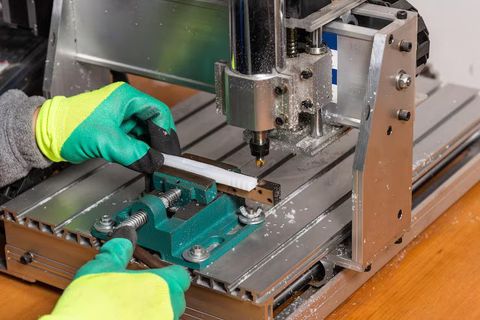
Computer Numerical Control (CNC) machines are widely used in manufacturing industries to produce accurate components from materials such as metal, plastic, wood, and composites. These machines follow computer-based instructions to perform operations such as cutting, drilling, milling, turning, and shaping.
As manufacturing equipment becomes more advanced, managing machine performance, maintenance activities, and technical information has become increasingly important.
CNC machine support software is designed to help manufacturers organize equipment maintenance, monitor machine conditions, document technical problems, and coordinate assistance when operational difficulties occur. It brings important machine-related information into a centralized digital environment, allowing production teams and maintenance personnel to understand equipment conditions and respond to problems systematically.
Traditional maintenance processes often depend on paper records, spreadsheets, manual inspections, and individual employee knowledge. These methods can make it difficult to maintain consistent equipment histories, identify recurring faults, or coordinate maintenance activities across multiple machines. CNC machine maintenance software addresses these challenges through digital records, automated notifications, equipment monitoring, and structured technical documentation.
What Is CNC Machine Support Software?
CNC machine support software refers to digital applications that help organizations manage the technical and operational requirements of CNC equipment. Depending on the platform, its capabilities may include:
Maintenance scheduling and inspection records.
Machine performance monitoring.
Equipment fault reporting and tracking.
Technical documentation management.
Spare component inventory records.
Maintenance history and reporting.
Remote troubleshooting and technical communication.
Operator task tracking and notifications.
Some platforms operate independently, while others connect with manufacturing execution systems (MES), enterprise resource planning (ERP) platforms, and computerized maintenance management systems (CMMS).
How CNC Maintenance Tracking Developed
Earlier manufacturing facilities generally recorded maintenance activities in physical logbooks or separate spreadsheets. Although these records provided basic information, they often required manual updates and could become difficult to manage as equipment numbers increased.
The development of industrial software introduced digital maintenance schedules, electronic inspection records, and equipment databases. Modern platforms increasingly combine these functions with machine connectivity, sensor information, and analytical tools.
This development reflects a broader manufacturing shift toward connected equipment management, where maintenance information can be accessed alongside production and operational data.
Importance
CNC machine support software matters because manufacturing equipment requires regular inspection, appropriate operating conditions, and timely technical attention. Unexpected equipment problems can interrupt production schedules, affect component accuracy, and create additional pressure on manufacturing teams.
These challenges affect several groups, including factory owners, production managers, machine operators, maintenance technicians, equipment engineers, and quality control personnel. Even smaller workshops can benefit from organized maintenance records when they operate multiple CNC machines or handle different production requirements.
Reducing Unplanned Equipment Interruptions
A machine malfunction can interrupt an entire production process, particularly when the affected equipment performs an important manufacturing operation. Maintenance tracking software helps teams document machine faults, identify recurring problems, and schedule inspections before minor concerns develop into larger operational difficulties.
Improving Maintenance Planning
Preventive maintenance involves performing inspections and equipment-related activities at planned intervals. CNC maintenance tracking systems can organize these activities using operating hours, calendar schedules, manufacturer recommendations, or recorded machine conditions.
Common maintenance activities include:
Checking lubrication systems.
Inspecting cutting tools and holders.
Monitoring spindle conditions.
Examining electrical connections.
Checking coolant circulation.
Reviewing machine alignment and accuracy.
Inspecting protective enclosures and safety systems.
Supporting Technical Assistance
When operators experience machine alarms, programming errors, or mechanical difficulties, technical information becomes important. Support software can maintain fault descriptions, equipment manuals, diagnostic records, and communication histories.
This information helps technicians understand previous problems and reduces dependence on informal communication between different production shifts.
Improving Equipment Visibility
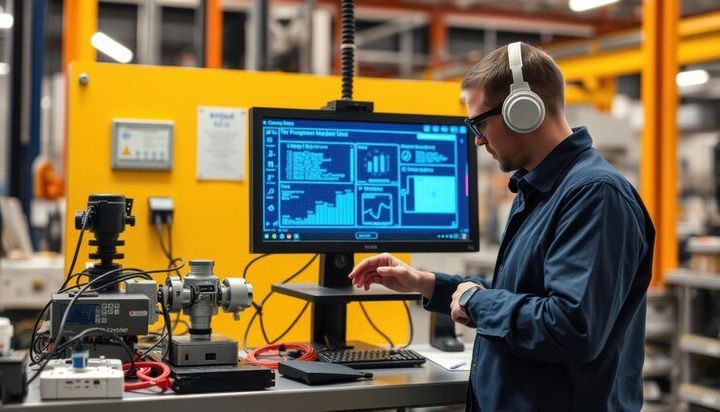
A centralized maintenance dashboard can display equipment status, upcoming inspections, unresolved faults, and maintenance activity. Managers can use this information to understand which machines require attention and how maintenance activities relate to production schedules.
Supporting Different Manufacturing Operations
Manufacturing environment | Software application |
|---|---|
Automotive production | Machine inspection and fault tracking |
Aerospace manufacturing | Equipment documentation and maintenance history |
Metal fabrication | Spindle monitoring and maintenance scheduling |
Electronics manufacturing | Precision equipment condition tracking |
Woodworking | Machine inspection and operational records |
General engineering | Technical assistance and equipment reporting |
Recent Updates
CNC machine support software is evolving alongside developments in industrial automation, connected manufacturing, artificial intelligence, and equipment data analysis. From 2024 to 2026, greater attention has been given to predictive maintenance, remote equipment monitoring, digital documentation, and cybersecurity.
Artificial Intelligence in Predictive Maintenance
Artificial intelligence (AI) is increasingly being incorporated into industrial maintenance applications. These systems can analyze equipment information, identify unusual operating patterns, and help maintenance teams investigate potential problems.
For example, changes in spindle temperature, vibration, or motor load may indicate developing equipment issues. AI-based analytical tools can examine these patterns and generate notifications for further inspection. However, their accuracy depends on data quality, machine compatibility, and appropriate configuration.
Connected CNC Machine Monitoring
Industrial Internet of Things (IIoT) technology allows compatible CNC machines to exchange operational information with monitoring platforms. This can include machine status, operating hours, production counts, spindle load, and alarm information.
Two commonly used communication technologies are:
MTConnect, which provides a standardized approach to collecting and sharing manufacturing equipment information.
OPC UA, which supports structured communication between industrial equipment, applications, and automation systems.
These technologies help different manufacturing systems exchange information more consistently.
Digital Twins and Equipment Analytics
Digital twin technology creates a digital representation of physical equipment or manufacturing processes. It can combine machine information, operating conditions, and analytical models to help engineers understand equipment behavior.
Research into machine-tool data analytics is also examining how controller information and external sensors can support predictive maintenance and digital manufacturing applications.
Remote Technical Assistance and Cloud Platforms
Cloud-based CNC support platforms are becoming more relevant for manufacturers operating equipment across multiple facilities. Depending on system capabilities, authorized personnel can review machine records, examine diagnostic information, and coordinate troubleshooting remotely.
Remote access also introduces cybersecurity considerations. Manufacturers need appropriate user permissions, secure connections, access monitoring, and data protection procedures.
Laws or Policies
CNC machine support software operates within a wider regulatory environment covering machinery safety, workplace protection, industrial cybersecurity, and data management. Requirements vary according to the country, equipment category, manufacturing activity, and software application.
Since no specific target country has been identified, the following section describes general international considerations and an example of regional legislation.
Machinery Safety Requirements
Manufacturing facilities generally need to follow applicable machinery safety and workplace protection requirements. These rules can address equipment guarding, emergency stopping systems, operator training, electrical safety, and maintenance procedures.
In the European Union, Regulation (EU) 2023/1230 establishes machinery health and safety requirements. It is scheduled to apply from January 2027, replacing the previous Machinery Directive framework. Its requirements include technical documentation, instructions, and machinery conformity obligations.
Industrial Cybersecurity Policies
Connected CNC equipment and cloud-based maintenance platforms can introduce cybersecurity risks. Unauthorized access, compromised software, and exposed operational information may affect manufacturing activities.
The European Union's Cyber Resilience Act establishes cybersecurity requirements for products with digital elements. Its main obligations apply from December 2027, while specified vulnerability and incident reporting obligations began applying in September 2026.
Workplace Documentation and Data Protection
Organizations may also need to maintain records covering equipment inspections, operator training, workplace incidents, and maintenance activities. Data protection rules can apply when software stores employee information, access records, or identifiable operational data.
Businesses should consider the following areas:
Equipment safety and inspection documentation.
Secure user authentication and access permissions.
Data backup and recovery arrangements.
Maintenance record retention.
Applicable workplace and environmental requirements.
Manufacturer instructions and equipment-specific safety procedures.
The exact requirements depend on local legislation and the nature of the manufacturing operation.
Tools and Resources
Several software categories and technical resources help organizations understand and manage CNC equipment maintenance. Their suitability depends on machine compatibility, operational requirements, available technical information, and the size of the manufacturing facility.
Computerized Maintenance Management Systems
A Computerized Maintenance Management System (CMMS) organizes maintenance activities through digital equipment records. It can manage inspection schedules, maintenance requests, work orders, spare component information, and equipment histories.
These platforms are particularly relevant to facilities managing several machines or multiple production areas.
Manufacturing Execution Systems
Manufacturing Execution Systems (MES) connect production activities with operational information. When integrated with CNC monitoring applications, an MES can provide information about machine availability, production progress, equipment interruptions, and manufacturing performance.
Machine Monitoring and Communication Tools
MTConnect and OPC UA are useful technical resources for understanding industrial machine communication. They help organizations evaluate how CNC controllers and other manufacturing equipment can exchange information with monitoring platforms.
Maintenance Planning Templates
Digital maintenance templates can help smaller manufacturing facilities establish consistent equipment records. Common templates include:
CNC machine inspection checklists.
Preventive maintenance schedules.
Machine fault reporting forms.
Equipment history registers.
Spare component inventory sheets.
Maintenance activity reports.
Important Software Evaluation Factors
Evaluation area | Information to examine |
|---|---|
Machine compatibility | Supported CNC controllers and equipment |
Maintenance tracking | Scheduling, alerts, and inspection records |
Technical assistance | Diagnostic tools and documentation |
Integration | ERP, MES, and CMMS compatibility |
Security | User permissions and data protection |
Reporting | Equipment history and performance analysis |
Accessibility | Desktop, mobile, and cloud availability |
Choosing an appropriate platform requires understanding existing equipment, maintenance procedures, staff requirements, and information security needs.
FAQs
What Is CNC Machine Support Software?
CNC machine support software is a digital platform used to organize equipment maintenance, monitor machine conditions, document faults, and manage technical information. It helps manufacturing teams maintain structured equipment records.
How Does CNC Machine Maintenance Tracking Software Work?
It records inspection schedules, operating hours, maintenance activities, and reported equipment problems. Depending on its capabilities, the software can also generate reminders and display machine condition information.
Can CNC Machine Support Software Monitor Equipment Remotely?
Yes. Compatible platforms can collect machine information through industrial communication protocols and connected controllers. Authorized personnel can review equipment status and diagnostic records remotely.
What Is the Difference Between CMMS and CNC Machine Monitoring Software?
A CMMS primarily organizes maintenance schedules, work orders, and equipment histories. CNC monitoring software focuses more on machine operating conditions, production activity, and equipment performance. Some platforms combine both functions.
Does CNC Machine Support Software Use Artificial Intelligence?
Some modern platforms use AI to analyze equipment data, identify unusual operating patterns, and support predictive maintenance. The available capabilities depend on the software, connected machinery, and quality of collected information.
Conclusion
CNC machine support software combines maintenance tracking, equipment monitoring, technical documentation, and troubleshooting information within digital manufacturing environments. Developments in artificial intelligence, IIoT connectivity, and digital twins are expanding its role in equipment management. Machinery safety, cybersecurity, and data protection requirements also influence how these platforms are developed and implemented. Understanding their capabilities helps explain their growing importance in modern manufacturing operations.