Industrial Power Machinery Systems Guide With Energy Technology and Engineering Insights
Industrial power machinery systems are integrated arrangements that generate, convert, distribute, control, or use electrical and mechanical energy in industrial environments. They can include generators, electric motors, transformers, switchgear, drives, compressors, pumps, turbines, control panels, power converters, and monitoring equipment.
As manufacturing and infrastructure systems become more automated, industrial power machinery increasingly connects electrical engineering with energy management, automation, and digital monitoring.
Context
What Industrial Power Machinery Systems Mean
Industrial power machinery systems combine multiple machines and electrical components so that energy can move from a source to a useful industrial process. A generator may produce electricity, a transformer may adjust voltage, a motor may convert electrical energy into mechanical movement, and a drive may regulate motor speed.
These systems exist because individual machines rarely operate independently in modern facilities. Production lines, pumping stations, processing equipment, material-handling systems, heating systems, and automated machinery require coordinated power.
Industrial power machinery can therefore be viewed as a complete energy chain:
- Energy generation
- Voltage transformation
- Electrical distribution
- Motor and machine operation
- Power conversion
- Process control
- Energy monitoring
- Protection and safety
Main Equipment Categories
Industrial power machinery systems contain equipment selected according to the required electrical load, operating conditions, process requirements, and environmental factors.
| Equipment | Primary Function | Common Industrial Role |
|---|---|---|
| Industrial generators | Produce electrical power | Backup and distributed generation |
| Electric motors | Convert electrical energy into motion | Pumps, fans, conveyors, compressors |
| Transformers | Change voltage levels | Electrical distribution |
| Variable frequency drives | Control motor speed | Process and motion control |
| Switchgear | Control and protect circuits | Power distribution |
| Power converters | Change electrical characteristics | Specialized machinery |
| Industrial batteries | Store electrical energy | Backup and energy management |
| Energy monitoring systems | Measure electrical performance | Efficiency and operational analysis |
The exact combination varies according to facility size and process requirements.
How the Systems Developed
Early industrial power arrangements relied heavily on mechanical transmission, centralized steam power, and basic electrical equipment. As electric motors became widespread, individual machines could operate with greater flexibility.
Modern industrial power machinery combines electrical infrastructure with electronic controls and digital measurement. Sensors can measure voltage, current, temperature, vibration, power factor, and other operating conditions, allowing operators to understand how equipment behaves during normal operation.
Importance
Supporting Industrial Operations
Reliable power machinery is important because many industrial processes depend on continuous and controlled energy. A disruption in electrical supply can affect motors, pumps, compressors, automated production equipment, refrigeration systems, and other connected processes.
Power systems also need to accommodate changing loads. A motor starting, a large compressor operating, or a production line changing speed can alter electrical demand. Properly designed systems account for these operating conditions.
Improving Energy Management
Energy management has become increasingly important as industries examine how electrical and mechanical equipment uses energy. Industrial power machinery systems can incorporate meters and control technologies that help identify operating patterns.
For example, monitoring can reveal:
- High electrical demand during specific production periods
- Motors operating outside their intended conditions
- Unusual voltage or current patterns
- Excessive idle operation
- Changes in equipment efficiency
- Opportunities for load management
The information can support engineering analysis without relying only on monthly energy records.
Supporting Automation
Automation depends on stable electrical power and accurate control. Variable frequency drives, programmable controllers, sensors, servo systems, industrial computers, and robotic equipment all depend on coordinated power infrastructure.
This creates a connection between industrial power machinery and modern manufacturing. Electrical systems are no longer only about delivering energy; they increasingly participate in machine control and process monitoring.
Addressing Reliability and Safety
Electrical faults, overloads, short circuits, overheating, and insulation problems can create operational and safety risks. Protective equipment such as circuit breakers, fuses, relays, grounding systems, and monitoring devices helps limit the effects of abnormal conditions.
Equipment selection and installation should follow applicable engineering standards and safety requirements.
Recent Updates
Digital Energy Monitoring
From 2024 through 2026, industrial energy technology has continued moving toward digital monitoring, connected sensors, automation, and data-based energy management. Industrial facilities increasingly combine electrical meters with control platforms so that energy information can be viewed alongside production information.
This approach can help identify changes in electrical performance earlier than periodic manual inspection alone.
Greater Attention to Energy Efficiency
Energy-intensive industries have continued to face stronger attention toward energy efficiency. India's Bureau of Energy Efficiency maintains the Perform, Achieve and Trade framework for designated energy-intensive industries, including requirements involving energy managers, reporting, and energy audits for applicable entities.
The broader direction is toward measuring energy performance rather than considering energy consumption only as an operating expense.
Integration With Low-Carbon Power
Industrial electrical systems are also adapting to greater use of renewable and other lower-carbon electricity sources. This can create additional requirements for power conversion, energy storage, load management, and electrical controls.
India's Energy Conservation framework also provides for non-fossil energy consumption requirements for designated consumers and establishes a framework for carbon credit trading.
Advanced Control and Protection
Modern industrial systems increasingly use electronic protection, intelligent switchgear, digital relays, condition monitoring, and networked controls. These technologies can provide more information about electrical conditions and equipment status.
At the same time, digital connectivity creates additional considerations around communication reliability and cybersecurity, particularly for systems connected to industrial networks.
Laws or Policies
Electrical Safety Requirements
In India, industrial electrical installations are shaped by requirements issued under the Electricity Act framework and regulations of the Central Electricity Authority. The Central Electricity Authority's Measures Relating to Safety and Electric Supply Regulations provide requirements concerning electrical safety and supply. The authority's regulations archive also records a 2026 amendment to these requirements.
These requirements are relevant to areas such as electrical installations, protective measures, equipment operation, and safety practices. Specific obligations depend on the type, voltage level, installation, and applicable authority.
Energy Efficiency Policies
The Perform, Achieve and Trade framework applies to designated energy-intensive industries. Applicable entities can have obligations related to energy managers, energy consumption reporting, energy audits, and specific energy consumption targets.
The Indian energy policy environment has also developed around carbon markets and greenhouse-gas emission intensity. Government reporting indicates that emission-intensity targets had been notified for several energy-intensive sectors under the compliance mechanism by early 2026.
Why Compliance Matters
Industrial power machinery should therefore be considered alongside electrical safety, energy efficiency, environmental requirements, and applicable technical standards. Requirements can vary by installation and sector, so general information should not replace applicable engineering or regulatory review.
Tools and Resources
Energy and Electrical Calculators
Engineering calculators can help users understand electrical relationships involving voltage, current, power, apparent power, power factor, motor loading, and energy consumption.
Common calculations include:
- Three-phase power calculations
- Motor load estimation
- Transformer loading
- Power factor calculations
- Energy consumption estimates
- Voltage-drop calculations
- Battery capacity calculations
Monitoring Platforms
Industrial energy management platforms can collect information from power meters, sensors, drives, and control equipment. Depending on the system, dashboards may display real-time power, historical consumption, demand patterns, alarms, and equipment status.
Engineering Documentation
Useful resources can include equipment manuals, electrical single-line diagrams, load schedules, maintenance records, energy audit reports, technical standards, and equipment specifications.
These documents help establish how a particular industrial power machinery system is designed and operated.
Digital Simulation and Design Tools
Engineering software can also be used for electrical load analysis, motor studies, power-flow calculations, protection coordination, control-system design, and equipment modeling. Such tools are particularly useful when systems contain multiple generators, transformers, motors, drives, and distribution sections.
FAQs
What is industrial power machinery?
Industrial power machinery refers to equipment and integrated systems used to generate, convert, distribute, control, or use electrical and mechanical energy in industrial applications. Examples include generators, motors, transformers, drives, switchgear, pumps, and compressors.
How do industrial power machinery systems improve energy management?
They can incorporate meters, sensors, variable speed controls, and monitoring platforms that provide information about electrical consumption and equipment operation. This data can help engineers identify operating patterns and evaluate energy performance.
What are industrial power machinery systems used for?
They support processes such as manufacturing, pumping, material handling, compression, ventilation, processing, automation, and other activities requiring controlled electrical or mechanical power.
What role do industrial generators play?
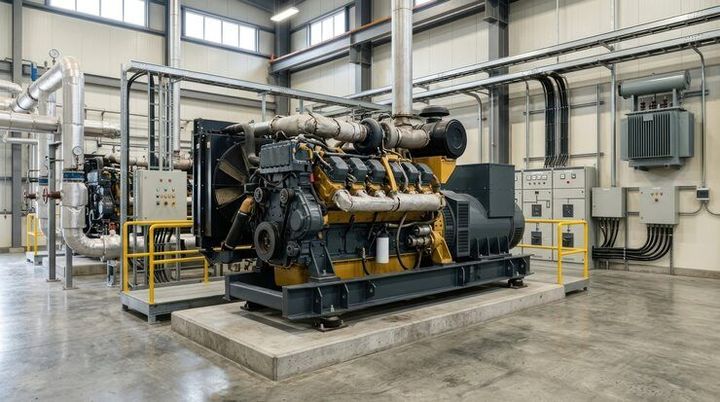
Industrial generators can provide electrical power when a primary supply is unavailable or when a facility uses distributed generation. Their selection depends on required capacity, operating conditions, fuel or energy source, and electrical characteristics.
Are industrial power machinery systems regulated?
Yes. In India, applicable electrical installations are subject to safety and electricity-supply requirements, while designated energy-intensive industries can also have energy-efficiency obligations under programs such as PAT.
Conclusion
Industrial power machinery systems connect energy generation, electrical distribution, motor operation, automation, monitoring, and protection within industrial environments. Recent developments have increased the role of digital monitoring, energy efficiency, advanced controls, and integration with changing energy sources. Indian regulations also address electrical safety and energy performance for applicable installations and industries. Understanding the relationship between individual machines and the wider power system provides a clearer view of modern industrial engineering.