Explore Luxury Escapes With Resort Stays, Private Tours, and Travel Planning Tips
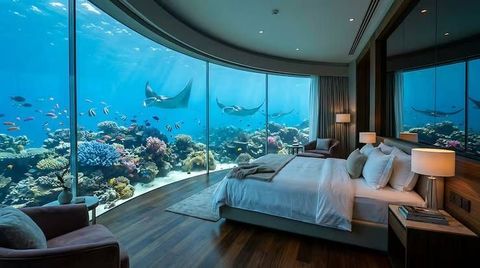
Luxury escapes are travel experiences designed around comfort, privacy, personalized activities, and carefully planned accommodation. They often include resort stays, private tours, premium transport, wellness facilities, cultural excursions, and dining experiences.
Unlike conventional holidays that follow fixed schedules, luxury travel planning allows travelers to organize activities according to their interests, preferred pace, and accommodation requirements.
The concept developed alongside the growth of international tourism, premium hospitality, and private transportation. As travel infrastructure expanded, resorts began combining accommodation, recreation, dining, and leisure activities within organized destinations. Private guides, tailored excursions, and specialized hospitality arrangements gradually became important parts of this travel category.
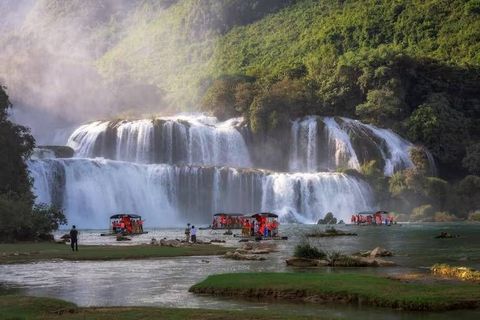
Luxury escapes can take place in coastal destinations, mountain retreats, island resorts, countryside estates, and major cultural cities. Some travelers prefer quiet surroundings and nature-based activities, while others focus on historical attractions, architecture, shopping districts, or culinary experiences. The main objective is to create a travel experience that balances comfort, convenience, and personal interests.
Understanding resort facilities, private tour arrangements, destination conditions, and travel planning requirements helps travelers make informed decisions before departure. These considerations also help clarify what is included in a travel itinerary and which arrangements require separate reservations.
Importance
Why Luxury Travel Matters Today
Luxury travel has become more varied as travelers explore different ways to spend their holidays. Some prioritize privacy and flexible schedules, while others value wellness facilities, cultural activities, and accommodation with convenient access to local attractions. These preferences influence the selection of resorts, destinations, and transportation arrangements.
Luxury escapes can also accommodate different travel groups. Couples may prefer secluded accommodation, families may need connecting rooms and supervised activities, and older travelers may prioritize accessibility and convenient transport. Business travelers extending a professional trip may require quiet accommodation, reliable internet access, and flexible departure arrangements.
Common Planning Challenges
Even a carefully organized holiday can involve practical difficulties. Travelers may encounter unexpected transfers, seasonal weather changes, limited tour availability, unclear booking conditions, or differences between advertised facilities and the amenities actually provided.
Several factors deserve attention before confirming a reservation:
Accommodation suitability: Room size, privacy, accessibility, dining arrangements, and available facilities can influence the overall experience.
Transportation coordination: Airport transfers, private drivers, local transport, and intercity connections need appropriate scheduling.
Activity planning: Popular attractions and private tours may require advance reservations, especially during busy travel periods.
Budget management: Travelers should account for accommodation, meals, transportation, entrance fees, taxes, gratuities, and optional activities.
Personal requirements: Dietary preferences, mobility needs, family arrangements, and language assistance may affect itinerary planning.
Addressing these considerations helps reduce uncertainty and supports a more organized travel experience. It also allows travelers to compare accommodation and tour arrangements using consistent criteria rather than relying only on photographs or descriptions.
Who Benefits From Luxury Escapes?
Luxury escapes are relevant to travelers seeking different levels of comfort and flexibility. Families may appreciate resort facilities that combine recreation with convenient dining, while couples may prioritize privacy and quieter surroundings. Independent travelers can use private tours to understand local history, explore less accessible attractions, or adjust their schedules according to personal interests.
The suitability of a luxury holiday depends on individual expectations, destination conditions, and available arrangements. A high-end resort does not automatically provide every preferred amenity, and private transportation does not necessarily eliminate delays caused by traffic or weather.
Recent Updates
Changing Luxury Travel Preferences
Recent travel trends through 2024–2026 show continued interest in personalized itineraries, wellness-focused accommodation, nature-based experiences, and culturally informed travel. Rather than concentrating exclusively on prestigious hotels, many travelers consider the quality of the surrounding environment, the character of local experiences, and the flexibility of the overall itinerary.
Wellness travel can include spa facilities, yoga sessions, walking routes, meditation spaces, and access to natural surroundings. These activities vary by property and destination, so travelers need to check the actual facilities and any participation requirements before making reservations.
Digital Travel Planning
Digital platforms have changed how travelers research resort stays and private tours. Online booking systems, mapping applications, translation tools, and itinerary organizers allow people to compare accommodation features and coordinate multiple travel arrangements.
Artificial intelligence tools are also being used to generate draft itineraries, organize destination information, and suggest activities based on stated interests. However, automatically generated information may contain outdated opening hours, incorrect transport details, or unavailable activities. Important reservations and travel requirements should therefore be verified through the relevant provider or official authority.
Sustainability and Local Experiences
Environmental awareness has become another consideration in luxury travel planning. Some resorts use renewable energy, water conservation measures, locally sourced food, and waste reduction practices. Travelers may also choose small-group cultural visits, locally operated excursions, and nature activities that follow conservation guidelines.
Environmental claims vary in scope and verification. A property's sustainability description should be evaluated alongside specific information about its practices rather than treated as proof of a particular environmental outcome.
Comparison of Luxury Travel Options
The following table summarizes common arrangements and their practical considerations.
Travel option | Main features | Planning consideration |
|---|---|---|
Beach resort stay | Coastal accommodation, leisure facilities, water activities | Seasonal weather and beach access |
Mountain retreat | Scenic surroundings, hiking, relaxation | Road conditions and altitude |
Private city tour | Personalized guide and flexible itinerary | Traffic and attraction schedules |
Island escape | Secluded accommodation and marine activities | Boat transfers and weather conditions |
Wellness retreat | Spa facilities and relaxation programs | Treatment availability and participation requirements |
Cultural tour | Heritage sites, local food, and traditions | Entry rules and respectful visitor conduct |
This comparison illustrates how different arrangements meet different travel preferences. The appropriate combination depends on trip duration, destination accessibility, personal interests, and the facilities available.
Laws or Policies
Travel Documents and Entry Requirements
Luxury travel remains subject to the same general entry requirements that apply to other forms of international tourism. Depending on the destination and nationality of the traveler, these requirements may include a valid passport, a visa, an electronic travel authorization, proof of onward travel, or supporting accommodation details.
Entry rules can change, and approval is not determined by the accommodation category. Travelers should consult the destination's official immigration authority or embassy information when checking eligibility and documentation requirements.
Accommodation and Booking Policies
Resort reservations are governed by the property's booking conditions and applicable consumer protection rules. Important terms can include cancellation deadlines, deposits, payment schedules, occupancy limits, check-in requirements, and charges for additional guests.
Before confirming a reservation, travelers should review the written conditions and identify which facilities are included. Special attention may be necessary for refundable reservations, seasonal packages, private transfers, and bookings involving multiple providers.
Private Tours and Local Regulations
Private tours can be affected by local rules governing licensed guides, transportation operators, protected natural areas, heritage locations, and commercial tourism activities. Some attractions restrict visitor numbers, photography, drone use, swimming, or access to culturally sensitive places.
Travelers should also consider personal safety instructions and any restrictions imposed by the destination. Activities such as boating, hiking, and wildlife observation may require specialized equipment, permits, or compliance with local environmental rules.
Travel Insurance and Consumer Rights
Travel insurance policies may cover certain medical emergencies, trip interruptions, lost baggage, or cancellation events, depending on the selected coverage and exclusions. Travelers should read policy conditions carefully, particularly for pre-existing exclusions, adventure activities, weather-related disruptions, and reimbursement requirements.
Consumer rights differ across jurisdictions. Booking records, receipts, written itinerary details, and provider correspondence can help clarify the terms of an arrangement if a dispute arises. Insurance coverage and legal protections should never be assumed without checking the relevant documentation.
Tools and Resources
Travel Research and Planning Platforms
Digital travel tools can simplify the process of evaluating luxury accommodation, private tours, and transportation options. Each platform has different coverage, information sources, and booking conditions.
Useful categories include:
Accommodation comparison platforms: Review room categories, amenities, location, guest feedback, and cancellation terms.
Mapping applications: Estimate travel distances, identify nearby attractions, and plan transfers between destinations.
Airline and transport platforms: Check schedules, baggage conditions, connection times, and transfer arrangements.
Official tourism websites: Research cultural attractions, seasonal activities, public transport, and destination guidance.
Weather applications: Examine typical seasonal conditions and monitor forecasts closer to departure.
Itinerary management tools: Organize confirmation numbers, travel documents, departure times, and activity schedules.
Currency calculators: Estimate the value of planned expenses when traveling across different currencies.
These resources are most useful when information is compared across multiple sources. Guest reviews can reveal practical details, but individual experiences may not represent every visitor's circumstances.
A Practical Travel Planning Template
A simple itinerary template can help organize the main elements of a luxury escape.
Planning category | Information to record |
|---|---|
Destination | Location, season, and trip duration |
Accommodation | Room type, facilities, and reservation conditions |
Transportation | Flights, transfers, and local travel |
Private tours | Guide details, meeting points, and activity duration |
Daily schedule | Activities, meal periods, and rest time |
Documentation | Passport, visa, insurance, and confirmations |
Contingency arrangements | Alternative transport and cancellation procedures |
Keeping these details together reduces the likelihood of overlooking important arrangements. It also makes it easier to identify schedule conflicts, lengthy transfers, and activities that require advance confirmation.
FAQs
What Is Included in a Luxury Escape?
A luxury escape may include premium accommodation, dining facilities, private transfers, guided excursions, wellness activities, or personalized itineraries. Inclusions vary by property and reservation, so each component should be checked individually.
How Can Travelers Plan Luxury Resort Stays?
Travelers can compare location, room categories, amenities, cancellation conditions, transport access, and guest requirements. Matching these details with the purpose and duration of the trip helps create a practical itinerary.
Are Private Tours Suitable for Families?
Private tours can accommodate family interests and flexible schedules, depending on the provider's arrangements. Travelers should confirm age restrictions, accessibility, activity duration, and any child supervision requirements.
When Should Luxury Travel Arrangements Be Made?
Planning ahead is particularly useful for peak travel periods, remote destinations, and activities with limited capacity. The appropriate booking window depends on destination demand, seasonal conditions, and the provider's reservation policies.
What Should Travelers Check Before an International Luxury Holiday?
Travelers should review entry documentation, accommodation confirmations, transportation arrangements, insurance coverage, local regulations, and cancellation conditions. Seasonal weather and destination-specific health or safety guidance also deserve attention.
Conclusion
Luxury escapes combine comfortable accommodation, private tours, personalized activities, and organized travel planning. Recent developments emphasize flexible itineraries, digital planning tools, wellness experiences, and greater awareness of environmental considerations. Understanding booking policies, entry requirements, transportation arrangements, and available facilities helps travelers evaluate their options clearly. A well-structured itinerary brings these elements together while allowing room for changing conditions and individual preferences.