Explore Pearl Jewelry Collections With Elegant Necklaces, Rings, Earrings, and Sets
Pearl jewelry collections bring together necklaces, rings, earrings, bracelets, pendants, and coordinated sets featuring pearls as the central decorative material. Pearls are organic gemstones formed inside certain mollusks when layers of nacre develop around an irritant or implanted nucleus.
Their smooth surfaces, rounded forms, and soft reflections have made them part of jewelry traditions across many cultures.
Pearls differ from minerals such as diamonds or sapphires because they are formed through biological processes. Modern pearl cultivation allows producers to control certain parts of the formation process, resulting in cultured pearls that are widely used in contemporary jewelry. Natural pearls also exist, but they are much less common in modern jewelry markets.
Pearl jewelry collections can include several pearl varieties, shapes, colors, sizes, and surface characteristics. Akoya, freshwater, Tahitian, and South Sea pearls are among the commonly discussed categories. Each has distinct characteristics associated with the mollusk species, growing environment, cultivation practices, and formation period.
The jewelry setting also influences the appearance of a pearl. A pearl necklace may use a simple strand, graduated arrangement, pendant structure, or combination of pearls and other gemstones. Pearl earrings may use studs, drops, hoops, or hanging designs, while rings can position a pearl as a central element within a metal setting.
Main Types of Pearl Jewelry
Pearl collections can be divided into several common categories:
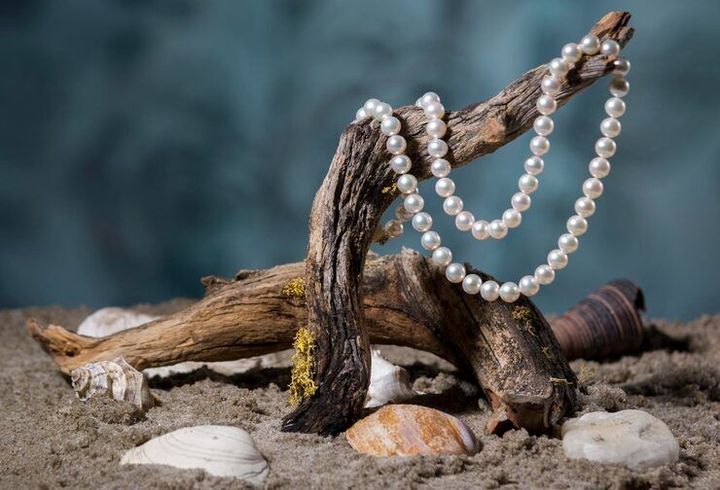
Pearl necklaces with single or multiple strands
Pearl earrings in stud, drop, and pendant styles
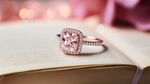
Pearl rings with single or multiple pearls
Pearl bracelets with linked or continuous arrangements
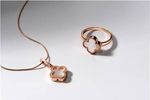
Pearl pendants combining pearls with metal or gemstones
Pearl jewelry sets containing coordinated pieces
Brooches and decorative pearl accessories
The choice between these formats depends on the intended style, occasion, pearl characteristics, and metal design.
Understanding Pearl Characteristics
Pearls are commonly assessed through characteristics such as size, shape, color, luster, surface quality, nacre thickness, and matching quality when multiple pearls are used.
Luster describes the way light reflects from the pearl's surface. Pearls with strong luster can display clear reflections, while pearls with softer luster have a more diffuse appearance.
Shape can range from nearly round to oval, button, baroque, drop, or other irregular forms. Perfectly round pearls are only one category, while irregular shapes can be intentionally incorporated into contemporary designs.
Importance
Pearl jewelry remains relevant because it combines a natural organic gemstone with a wide range of jewelry designs. Understanding pearl characteristics helps readers distinguish between different collections and understand why two pieces with similar appearances can have different specifications.
Pearl jewelry also has cultural and historical significance. Pearls have been associated with ceremonial clothing, formal jewelry, traditional adornment, and artistic craftsmanship across different regions.
Why Pearl Quality Characteristics Matter
Pearl appearance depends on several characteristics working together. Size alone does not describe the visual quality of a pearl, and color does not necessarily indicate whether a pearl is natural or cultured.
Important characteristics include:
Luster, which describes surface reflection
Surface quality, which refers to visible marks or irregularities
Shape, which describes the pearl's physical form
Color, including body color and possible overtone
Size, usually measured by diameter
Nacre, which forms the visible layered structure
Matching, which matters when several pearls appear together
These characteristics can vary naturally. Minor surface features are common because pearls develop through biological processes rather than being cut from a solid mineral crystal.
Pearl Necklaces
Pearl necklaces are among the most recognizable forms of pearl jewelry. Traditional designs often use a sequence of similarly sized pearls, while contemporary designs may combine different sizes, shapes, metals, or gemstones.
Necklace lengths also influence the overall appearance. Shorter designs sit closer to the neck, while longer strands can create different visual proportions. Multi-strand arrangements add additional layers and may use pearls with contrasting sizes or colors.
Pearl Rings
Pearl rings can feature a single central pearl or several smaller pearls. Because pearls are relatively soft compared with many mineral gemstones, ring designs need to account for everyday contact with surfaces and objects.
Protective settings can help reduce direct contact with the pearl. Ring designs may therefore use surrounding metal structures, raised settings, or other approaches that provide support.
Pearl Earrings
Pearl earrings range from simple studs to longer drop designs. Studs generally emphasize the pearl itself, while drop earrings introduce movement and additional metal or gemstone elements.
Matching is particularly relevant for earrings because two pearls are normally viewed together. Similarity in size, shape, color, and luster can influence how closely the pair appears coordinated.
Recent Updates
From 2024 through 2026, pearl jewelry design has continued to include both traditional forms and contemporary interpretations. Current collections commonly explore irregular pearl shapes, mixed materials, layered jewelry, colored pearls, and combinations of classic pearl structures with modern metal designs.
Contemporary Pearl Styling
Baroque and organically shaped pearls have received continued attention in contemporary jewelry design. Their irregular forms can create differences between individual pieces, making each pearl visually distinct.
Designers may combine irregular pearls with simple metal structures to emphasize their natural shape. This approach differs from traditional jewelry designs that focus on uniform round pearls.
Layered Jewelry
Layering has become an important styling approach for necklaces and bracelets. Pearl strands can be combined with metal chains, pendants, gemstone pieces, or strands containing different pearl sizes.
The visual effect depends on spacing, length, color, and proportion. Layering can also allow traditional pearl jewelry to be incorporated into more casual clothing combinations.
Mixed Materials and Colors
Modern pearl collections may combine pearls with gold-colored metals, silver-toned metals, platinum, diamonds, colored gemstones, enamel, or other decorative materials.
Pearls themselves can appear in white, cream, pink, silver, gray, black, and other naturally occurring or cultivated colors. Some pearls may also undergo treatments that alter their appearance, making accurate disclosure important.
Digital Jewelry Design
Computer-aided design and digital modeling are increasingly used in jewelry development. Designers can visualize pearl arrangements, metal structures, dimensions, clasp designs, and stone placement before physical production.
Digital tools can also assist with custom sizing and design variations. However, the actual appearance of a natural or cultured pearl can vary from digital representations because each pearl has individual characteristics.
Laws or Policies
Pearl jewelry is influenced by consumer protection rules, gemstone disclosure requirements, precious-metal standards, import regulations, and environmental or wildlife-related rules. The exact requirements depend on the jurisdiction and the type of pearl or jewelry involved.
Pearl Disclosure
Jewelry descriptions should distinguish between natural pearls and cultured pearls where applicable. A cultured pearl is produced through human-managed cultivation, while a natural pearl forms without deliberate insertion of a nucleus or tissue by people.
Information about treatments should also be communicated accurately when applicable. Certain pearls can undergo processes such as bleaching, dyeing, irradiation, or surface treatment, depending on the pearl type.
Precious-Metal Standards
Jewelry containing gold, platinum, or other regulated metals may be subject to fineness, hallmarking, labeling, or disclosure requirements. These rules differ across jurisdictions.
Metal alloys are commonly used in jewelry because pure metals may not have the physical characteristics needed for particular designs. Applicable markings can provide information about metal composition or fineness.
Environmental Considerations
Pearl cultivation depends on aquatic environments and the health of mollusks. Environmental management can therefore be relevant to pearl production.
Rules governing aquaculture, coastal environments, protected species, and international trade may apply in particular regions. The exact requirements depend on the species, location, and jurisdiction.
Tools and Resources
Several tools can help readers understand pearl jewelry collections. Pearl size charts can explain differences between small and large pearls, while pearl shape guides can illustrate round, oval, button, drop, and baroque forms.
Jewelry sizing tools can help determine necklace lengths, bracelet dimensions, and ring measurements. Pearl care guides can explain appropriate storage, cleaning, and handling practices.
Useful resources include:
Pearl identification guides
Pearl size charts
Pearl shape references
Jewelry measurement templates
Ring sizing guides
Necklace length charts
Jewelry metal reference charts
Gemstone documentation
Pearl care instructions
Digital jewelry design software
A simplified comparison of major pearl categories is shown below:
| Pearl Category | General Characteristics | Common Jewelry Uses |
|---|---|---|
| Akoya | Often round with reflective luster | Necklaces and earrings |
| Freshwater | Various shapes and colors | Rings, earrings, necklaces |
| Tahitian | Often darker body colors | Necklaces and statement pieces |
| South Sea | Generally larger pearl sizes | Necklaces, earrings, rings |
| Baroque | Irregular natural forms | Contemporary jewelry |
Pearl Care
Pearls require different care from many harder gemstones. Their nacre can be affected by chemicals, excessive heat, abrasion, and inappropriate cleaning materials.
After wearing pearl jewelry, a soft cloth can be used to remove surface moisture or residue. Pearls should generally be stored separately from harder jewelry to reduce the possibility of scratches.
Perfumes, cosmetics, hair products, and household chemicals can also interact with pearl surfaces. Keeping pearls away from such substances can help preserve their surface characteristics.
Choosing Jewelry Sets
Coordinated pearl jewelry sets can contain matching necklaces and earrings, or combinations that include rings and bracelets. Matching may involve pearl size, color, shape, luster, and metal type.
Not every set requires identical pearls. Contemporary collections may intentionally combine different pearl sizes or shapes while maintaining a consistent metal or color theme.
FAQs
What are pearl jewelry collections?
Pearl jewelry collections are groups of jewelry pieces that use natural or cultured pearls as major decorative elements. They can include necklaces, rings, earrings, bracelets, pendants, and coordinated sets.
What types of pearls are used in pearl jewelry?
Common categories include Akoya, freshwater, Tahitian, and South Sea pearls. They differ in typical size ranges, shapes, colors, growing environments, and visual characteristics.
How are pearl necklaces and earrings different?
Pearl necklaces often use repeated pearls arranged in strands or other patterns, while earrings typically use one or two pearls per piece. Earrings require particular attention to matching when a pair is designed to look coordinated.
What should be considered when choosing pearl jewelry?
Important characteristics include luster, surface quality, shape, color, size, nacre characteristics, and matching. Jewelry design, metal type, intended use, and care requirements are also relevant.
How should pearl jewelry be cared for?
Pearls should be protected from abrasive materials, harsh chemicals, excessive heat, and rough handling. A soft cloth can be used for routine surface cleaning, and separate storage can reduce contact with harder jewelry.
Conclusion
Pearl jewelry collections include necklaces, rings, earrings, bracelets, pendants, and coordinated sets featuring natural or cultured pearls. Pearl characteristics such as luster, shape, color, size, surface quality, and nacre help explain differences between individual pieces. Contemporary designs increasingly incorporate irregular pearl shapes, layered styling, mixed materials, and digital design techniques. Pearl disclosure, metal standards, treatment information, and environmental requirements vary according to the applicable jurisdiction.