Explore Solar Electricity With Solar Power Systems, Components, and Installation Details
Solar electricity is electrical energy produced from sunlight. It is generated mainly through photovoltaic panels, which contain semiconductor cells that convert sunlight into direct-current electricity.
An inverter then converts this electricity into alternating current for appliances, buildings, or electrical networks.
Solar power systems have developed from specialized equipment used in research and remote locations into technologies found on homes, commercial buildings, farms, industrial facilities, and utility-scale energy projects. The basic principle remains the same: capture solar radiation, convert it into electricity, manage that electricity, and deliver it where it is needed.
Solar energy exists because sunlight provides a widely distributed source of energy. Unlike fuels that require extraction and transportation, sunlight reaches many regions naturally. The amount of electricity a solar installation can produce depends on factors such as sunlight availability, panel orientation, shading, temperature, system design, and equipment characteristics.
How Solar Power Systems Work
A typical solar power system follows several connected stages. Solar panels receive sunlight and produce direct-current electricity. An inverter converts the electricity into alternating current, while other components monitor, protect, store, or distribute the electrical output.
A grid-connected system can send suitable electricity to building loads and, where permitted, exchange electricity with an electrical grid. A battery-based system can store electricity for later use. Some installations combine solar generation, batteries, and grid electricity to create a more flexible energy arrangement.
The main stages include:
Sunlight reaches photovoltaic cells.
Photovoltaic cells generate direct-current electricity.
Inverters convert the electricity into usable alternating current.
Electrical equipment distributes electricity to connected loads.
Batteries can store electricity when included in the system.
Monitoring equipment records generation and system performance.
Importance
Why Solar Electricity Matters
Solar electricity matters because electricity demand continues to grow across households, businesses, infrastructure, transportation, and digital systems. Solar generation provides another method of producing electricity alongside sources such as natural gas, coal, nuclear power, hydroelectricity, wind, and other technologies.
Solar power systems can also be useful in locations where extending conventional electrical infrastructure is difficult. Remote facilities, agricultural sites, communication equipment, and isolated buildings may use standalone or hybrid solar systems when appropriate.
The environmental characteristics of solar generation are another important consideration. During electricity generation, photovoltaic panels do not directly burn fuel or produce combustion emissions at the point of generation. However, manufacturing, transportation, installation, maintenance, recycling, and eventual disposal involve materials and energy that should also be considered when evaluating the complete life cycle.
Who Uses Solar Power Systems
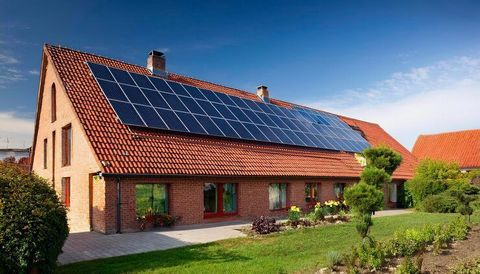
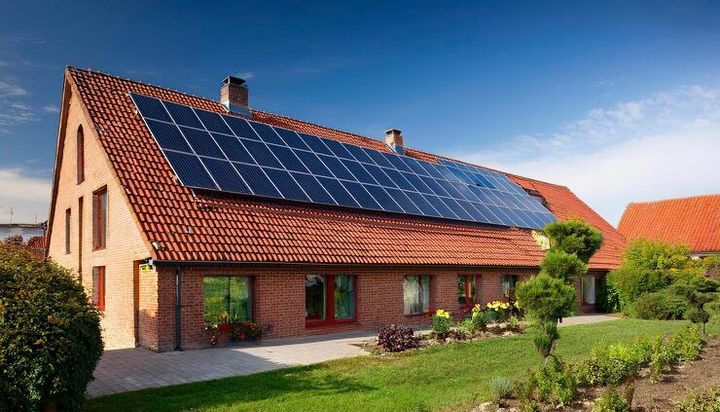
Solar installations can be designed for different electricity requirements. Residential systems generally focus on household loads, while commercial and industrial systems can be considerably larger and may be integrated with building management and electrical infrastructure.
Common applications include:
Residential rooftops
Commercial buildings
Industrial facilities
Agricultural operations
Schools and institutional buildings
Remote monitoring equipment
Utility-scale solar plants
Hybrid systems combining solar, batteries, and grid electricity
Main Solar System Components
The equipment required depends on the system design, but several components appear frequently.
| Component | Main Function | Common System Role |
|---|---|---|
| Solar panels | Convert sunlight into DC electricity | Generation |
| Inverter | Converts DC electricity into AC electricity | Power conversion |
| Mounting structure | Holds panels in position | Mechanical support |
| Battery | Stores electrical energy | Energy storage |
| Charge controller | Regulates charging in battery systems | Battery management |
| Wiring and connectors | Transfers electricity between components | Electrical connection |
| Protection equipment | Helps manage electrical faults | System safety |
| Monitoring equipment | Tracks generation and operating conditions | Performance monitoring |
Component selection depends on system voltage, expected electricity demand, environmental conditions, available space, and applicable electrical requirements.
Recent Updates
Developments in Solar Technology
Recent solar industry developments have focused on improving panel efficiency, manufacturing processes, inverter capabilities, energy storage, monitoring, and system integration. Newer photovoltaic designs can produce more electricity from a given panel area, although actual output still depends heavily on installation conditions.
Battery storage has also become an important part of modern solar power systems. Batteries allow electricity generated during one period to be retained for later use. This can change how solar generation interacts with building demand and electrical networks.
Smarter Energy Management
Digital monitoring has become increasingly common. Modern systems can collect information about electricity generation, battery status, inverter operation, and energy consumption through software platforms.
Some systems can also coordinate solar generation, battery storage, electrical loads, and grid interaction. These capabilities are particularly relevant as electricity networks incorporate larger amounts of variable renewable generation.
Recycling and Lifecycle Considerations
As the number of photovoltaic installations increases, attention is also being given to equipment longevity, component replacement, material recovery, and recycling. Solar panels contain materials that can potentially be recovered through appropriate recycling processes, although available systems and regulations differ between regions.
Laws or Policies
Electrical and Building Requirements
Solar electricity installations are generally subject to electrical, structural, and building requirements established by the relevant authority. Rules can address wiring, grounding, equipment protection, rooftop loading, fire safety, electrical connections, and inspection procedures.
Requirements vary substantially between countries and sometimes between regions within the same country. A solar power system therefore needs to follow the rules applicable to its specific installation location.
Grid Connection Policies
Grid-connected solar systems may require approval from the electricity network operator or another designated authority. Requirements can include technical documentation, equipment specifications, inspections, metering arrangements, and procedures for connecting the system to the grid.
Some regions have policies that allow eligible solar installations to export electricity to the grid under defined arrangements. The calculation method, eligibility requirements, and applicable rates depend on local policy and can change over time.
Renewable Energy Programs
Governments and public agencies in many regions have introduced programs intended to encourage renewable electricity deployment. These can include tax measures, grants, financing structures, renewable energy certificates, or other policy mechanisms.
The availability and eligibility of such programs should be checked against current official rules because requirements can change. A policy that applies to one installation type or region may not apply to another.
Tools and Resources
Solar Calculators
Solar calculators can provide preliminary estimates based on location, electricity consumption, available roof or land area, sunlight conditions, and system capacity. They are useful for understanding basic system sizing, but their results are estimates rather than final engineering designs.
Solar Resource Maps
Solar resource maps show the approximate solar radiation available in different geographic areas. These tools help users understand how regional sunlight conditions can influence photovoltaic generation.
Energy Monitoring Platforms
Monitoring platforms can display information such as daily electricity generation, historical output, battery state, inverter status, and system alerts. They can help users understand how a solar power system behaves under different weather and electricity-use conditions.
Installation Planning Resources
Planning resources can include electrical load records, roof measurements, shading assessments, equipment specifications, installation drawings, and maintenance documentation. These materials provide useful information when assessing whether a proposed system is technically suitable.
Installation Details
Assessing the Installation Site
Solar installation normally begins with an assessment of the available site. Important factors include sunlight exposure, shading from buildings or vegetation, roof direction, roof condition, structural capacity, available space, and access to electrical equipment.
For ground-mounted installations, additional considerations may include land characteristics, drainage, access, environmental conditions, and the distance between the solar array and electrical equipment.
Selecting System Capacity
System capacity is generally expressed in watts or kilowatts. The appropriate capacity depends on expected electricity consumption, available installation area, local solar conditions, equipment characteristics, and the intended relationship with batteries or the electrical grid.
A larger panel capacity does not automatically mean proportionally greater electricity production because output changes with sunlight conditions, temperature, shading, panel orientation, inverter limitations, and other factors.
Installation Process
A typical installation can involve several stages:
Site assessment and system planning
Electrical load analysis
Panel and inverter selection
Structural and mounting preparation
Solar panel installation
Electrical wiring and protection
Inverter and battery installation where applicable
System testing and commissioning
Grid inspection or approval when required
Performance monitoring
Qualified electrical and structural professionals may be required depending on local rules and the complexity of the installation.
Maintenance Considerations
Solar power systems generally contain few moving components, but regular inspection can still be important. Panels may accumulate dust, leaves, or other material that affects sunlight exposure. Wiring, mounting structures, inverters, batteries, and protection equipment may also require inspection according to manufacturer instructions and local requirements.
Monitoring data can help identify unusual changes in electricity generation. A significant decline in output can have several possible causes, including shading, equipment problems, weather conditions, or electrical faults.
FAQs
What is solar electricity?
Solar electricity is electrical energy generated from sunlight, usually through photovoltaic cells. Solar panels produce direct-current electricity, which is commonly converted into alternating current through an inverter for use by electrical equipment.
How do solar power systems work?
Solar power systems capture sunlight through photovoltaic panels, convert it into electricity, and use an inverter to make the electricity suitable for common electrical loads. Batteries or grid connections can be added depending on the system design.
What components are needed for a solar power system?
Common components include solar panels, an inverter, mounting structures, wiring, electrical protection equipment, and monitoring equipment. Battery systems may also include batteries and charge-control equipment.
How is a solar electricity system installed?
Installation generally involves site assessment, system design, equipment selection, mounting, electrical connections, testing, and commissioning. Grid-connected systems may also require inspection or approval under local rules.
Can solar power systems work with batteries?
Yes. A solar power system can be combined with batteries to store electricity generated by the panels. The stored electricity can later be used according to the system design, battery capacity, electrical loads, and applicable controls.
Conclusion
Solar electricity converts sunlight into electrical energy through photovoltaic technology and supporting equipment. Solar power systems can range from small residential installations to large commercial and utility-scale projects, with components selected according to electricity requirements and site conditions. Recent developments have expanded the role of batteries, digital monitoring, higher-efficiency panels, and integrated energy management. Electrical, building, grid-connection, and renewable-energy policies remain important factors when planning and operating these systems.