Explore Chinese Industrial Tech With Smart Manufacturing and Engineering Solutions
Chinese industrial technology has developed through decades of manufacturing expansion, engineering research, infrastructure development, and digital innovation. Today, China’s industrial sector includes machinery production, robotics, electronics, automotive manufacturing, industrial software, and automated production systems.
These technologies help factories organize production, monitor equipment, improve material handling, and manage complex engineering activities.
Chinese industrial tech refers to the machines, digital platforms, production methods, and engineering systems developed or used across China's industrial economy. Smart manufacturing combines traditional manufacturing equipment with sensors, connected computers, industrial robots, and data analysis tools. The purpose is to make production processes more visible, coordinated, and adaptable.
Understanding Smart Manufacturing in China
Smart manufacturing connects machines, production lines, and management systems through digital technologies. Instead of relying entirely on manual inspections and separate records, factories can collect operating information and use it to understand production conditions.
For example, a factory producing metal components may use automated cutting machines, sensors, and production software to monitor material movement. Engineers can review operating information, identify interruptions, and adjust production schedules according to available capacity.
The Role of Industrial Engineering Solutions
Industrial engineering solutions combine equipment design, process planning, quality control, and production management. They help manufacturers understand how materials, workers, machines, and information interact throughout production.
Chinese industrial technology covers several important areas:
Industrial automation, including programmable controllers and robotic equipment.
Precision manufacturing, involving computer-controlled cutting, drilling, and machining.
Digital factory systems, connecting production equipment with monitoring software.
Industrial electronics, including sensors, control units, and measurement instruments.
Energy management, which helps factories monitor electricity use and equipment performance.
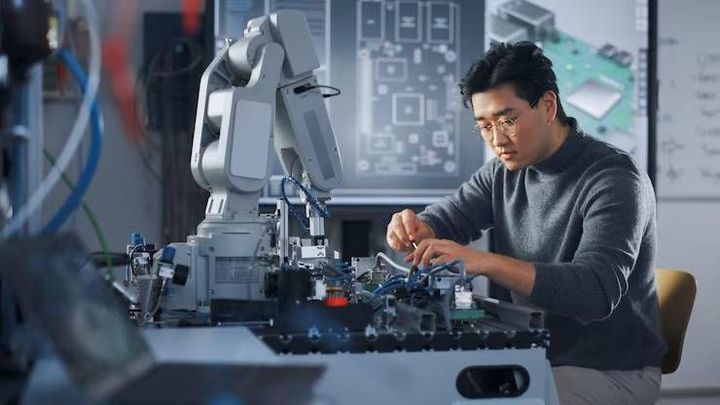
These areas often operate together. A modern manufacturing facility may use robotics for repetitive movements, sensors for equipment monitoring, and software for production planning.
Importance
Chinese industrial tech matters because manufacturing influences transportation, construction, electronics, household products, energy infrastructure, and many other parts of daily life. Improvements in industrial production can affect how products are assembled, how materials are processed, and how consistently manufacturers maintain product specifications.
Smart manufacturing also addresses practical challenges, including equipment interruptions, production delays, inconsistent measurements, and difficulties coordinating multiple production stages. Digital information helps managers understand these issues rather than depending entirely on occasional manual inspections.
Benefits for Manufacturers and Engineers
Manufacturers use automation and engineering systems to coordinate complex production activities. Automated equipment can repeat defined movements, while digital monitoring systems help operators identify unusual operating conditions.
Important applications include:
Production planning: Organizing manufacturing tasks, materials, and equipment availability.
Quality monitoring: Recording measurements and identifying differences between production batches.
Equipment maintenance: Tracking machine conditions and reviewing warning signals.
Inventory coordination: Monitoring material movement between storage areas and production lines.
Process optimization: Studying production information to identify delays and unnecessary steps.
These functions are relevant to small workshops as well as large industrial facilities, although the complexity of implementation varies considerably.
Effects on Workers and Everyday Life
Industrial automation changes the tasks performed by factory workers. Some repetitive activities can be handled by machines, while employees may take on equipment supervision, inspection, programming, maintenance, and production coordination.
This transition creates a need for technical education and practical training. Workers must understand equipment instructions, safety procedures, digital interfaces, and basic troubleshooting methods. The extent of this requirement depends on the machinery and the production environment.
Consumers may encounter the effects of industrial improvements through product consistency, manufacturing traceability, and more coordinated supply chains. However, digital technology alone does not guarantee better products or uninterrupted production. Results depend on equipment quality, employee skills, maintenance, and effective management.
Common Chinese Industrial Technologies
Technology | Main function | Typical application |
|---|---|---|
Industrial robotics | Performs programmed movements | Assembly and material handling |
CNC machinery | Controls machining operations digitally | Metalworking and component production |
Industrial sensors | Measures operating conditions | Temperature, pressure, and position monitoring |
Machine vision | Examines images and product features | Inspection and defect detection |
Manufacturing execution systems | Tracks production activities | Factory scheduling and monitoring |
Digital twins | Represents physical equipment or processes digitally | Simulation and process analysis |
Each technology addresses a different production requirement. Manufacturers generally select systems according to their equipment, operating conditions, technical capabilities, and production objectives.
Recent Updates
Chinese industrial technology continues to develop through wider automation, industrial artificial intelligence, connected equipment, and digital production management. Recent developments reflect an emphasis on integrating physical machinery with software rather than treating each production process as an isolated activity.
Artificial Intelligence in Manufacturing
Artificial intelligence is increasingly being explored for machine inspection, production planning, equipment monitoring, and analysis of manufacturing data. Image-processing systems can examine components for visible irregularities, while analytical software can help engineers identify patterns in machine performance.
These systems still require appropriate training data, testing, and human oversight. Unusual lighting, damaged sensors, incomplete records, and changes in production conditions can affect their accuracy.
Connected Factories and Industrial Internet Systems
Connected manufacturing systems allow machinery to exchange operating information with monitoring and management platforms. This approach can help production teams identify equipment interruptions and understand how delays in one production stage affect other stages.
Industrial connectivity also introduces cybersecurity concerns. Factories must consider access controls, software updates, network separation, and protection of production records when connecting equipment to digital systems.
Robotics and Flexible Production Lines
Robotic systems are increasingly used for tasks such as welding, packaging, material movement, and repetitive assembly. Collaborative robots are designed for certain work environments where people and automated equipment operate in closer proximity, subject to appropriate risk assessment and safeguards.
Flexible production lines can be reconfigured for different products or manufacturing requirements. Their practical usefulness depends on programming, equipment compatibility, tooling, and the time required to change production settings.
Industrial Development Trends
Several trends influence the development of Chinese industrial technology:
Greater integration between factory machinery and production software.
Increased use of machine vision and automated inspection.
Wider attention to energy monitoring and resource efficiency.
Development of digital twins for equipment and process analysis.
More emphasis on industrial cybersecurity and reliable data management.
These developments do not affect every factory equally. Advanced facilities may adopt integrated systems, while other manufacturers continue to use conventional equipment or introduce automation gradually.
Laws or Policies
Chinese industrial technology operates within a regulatory environment covering manufacturing development, workplace safety, cybersecurity, data protection, environmental management, and technical standards. The specific requirements depend on the industry, the equipment involved, and the information being processed.
Industrial Development Policies
China has pursued industrial modernization through initiatives focused on advanced manufacturing, industrial digitalization, robotics, and technological innovation. These policy areas encourage improvements in production capabilities and the integration of digital systems into industrial operations.
Government programs can influence research priorities, industrial infrastructure, technical education, and manufacturing development. However, the availability and conditions of particular programs vary, and individual businesses must determine whether specific requirements apply to their activities.
Manufacturing Safety and Technical Standards
Factories must consider applicable machinery safety requirements, electrical safety rules, equipment operating procedures, and workplace protections. Automation does not remove the need for safeguards, particularly when robotic arms, cutting equipment, heavy machinery, and automated transport systems are involved.
Relevant compliance activities may include:
Evaluating machinery hazards before operation.
Maintaining protective guards and emergency stopping mechanisms.
Training personnel in equipment operation and safe working practices.
Inspecting electrical systems and maintaining technical records.
Verifying that equipment meets applicable technical requirements.
Data Protection and Environmental Considerations
Connected factories may collect production records, equipment information, and employee-related data. Where applicable, Chinese data protection and cybersecurity requirements influence how information is collected, stored, accessed, and transferred.
Environmental requirements also influence industrial operations. Energy use, emissions, waste handling, and pollution prevention may be subject to relevant national or local rules. Manufacturers need to assess the requirements applicable to their facilities rather than assume that one standard covers every industry.
Tools and Resources
Understanding Chinese industrial tech becomes easier when technical information is organized by equipment type, manufacturing process, and intended application. Several categories of tools can help readers compare systems and understand how industrial technologies operate.
Engineering and Production Software
Computer-aided design software helps engineers create and revise technical drawings and three-dimensional models. Computer-aided manufacturing tools support the planning of machining operations, while computer-aided engineering applications can simulate mechanical behavior, heat transfer, or structural performance.
Manufacturing execution systems track production activities, and enterprise resource planning platforms coordinate information such as materials, production schedules, and inventory. Their functions may overlap, but they usually address different levels of factory management.
Monitoring and Analysis Tools
Industrial monitoring platforms collect information from sensors, controllers, and machinery. Depending on the system, they can display operating temperatures, machine status, production counts, energy consumption, and warning messages.
Useful evaluation criteria include:
Equipment compatibility and available communication protocols.
Accuracy and reliability of collected data.
Ease of interpreting dashboards and reports.
Cybersecurity controls and user permissions.
Maintenance requirements and technical documentation.
Technical Research Resources
Readers can use engineering textbooks, industrial standards publications, technical documentation, and manufacturing research reports to understand how industrial systems work. Chinese industrial technology can also be studied through equipment specifications, factory case studies, and research on robotics, automation, and industrial software.
When comparing technical information, it is important to distinguish verified specifications from general descriptions. Equipment capacity, precision, energy consumption, and operating conditions should be evaluated using documented test methods and clearly defined measurement units.
FAQs
What Is Chinese Industrial Tech?
Chinese industrial tech includes machinery, robotics, automation systems, industrial electronics, production software, and engineering methods developed or used in China's manufacturing sector. These technologies support activities ranging from component machining to connected factory management.
How Does Smart Manufacturing Work in China?
Smart manufacturing combines machines, sensors, software, and production data. These systems help manufacturers monitor operations, coordinate equipment, inspect products, and identify production issues that may require human attention.
Which Industries Use Chinese Industrial Technology?
Applications include automotive production, electronics, construction materials, metalworking, textiles, packaging, renewable energy equipment, and industrial machinery. The technologies used depend on each industry's materials, processes, and operating requirements.
What Are the Main Benefits of Industrial Automation?
Industrial automation can improve process consistency, reduce some repetitive manual activities, and provide more detailed production information. Its actual results depend on equipment selection, maintenance, worker training, and the suitability of the automated process.
What Skills Are Needed for Smart Manufacturing?
Relevant skills include mechanical engineering, electrical systems, programming, robotics, industrial networking, data analysis, and equipment maintenance. Technical training and workplace safety knowledge are also important for people operating or maintaining automated systems.
Conclusion
Chinese industrial tech combines manufacturing equipment, engineering methods, automation, and digital systems to support industrial production. Smart manufacturing connects these technologies to improve process visibility, equipment coordination, and quality monitoring. Its development also creates challenges involving cybersecurity, technical training, regulatory compliance, and equipment integration. Understanding these factors provides a practical foundation for examining China's changing industrial and engineering landscape.