Flexographic Printing Guide: Printing Methods, Press Types, Inks and Substrate Selection
Flexographic printing is a printing method widely used to produce packaging, labels, flexible films, paper products, and other printed materials. It uses flexible relief plates to transfer ink onto a surface, allowing designs, text, and patterns to be printed on different materials. The method developed from earlier relief-printing techniques and evolved with improvements in plate materials, ink chemistry, press design, and production controls.
Context
Flexographic printing is a printing method widely used to produce packaging, labels, flexible films, paper products, and other printed materials. It uses flexible relief plates to transfer ink onto a surface, allowing designs, text, and patterns to be printed on different materials. The method developed from earlier relief-printing techniques and evolved with improvements in plate materials, ink chemistry, press design, and production controls.
A flexographic printing guide explains how the process works, the main types of printing presses, the inks used, and the factors involved in substrate selection. Unlike printing methods designed mainly for flat sheets of paper, flexographic printing can accommodate materials supplied as rolls and certain individual sheets. Its operating principles make it relevant to industries that produce packaging, product labels, paper bags, cartons, and wrapping materials.
How Flexographic Printing Works
Flexographic printing uses a raised image on a flexible plate. Ink is transferred to the raised areas, which contact the substrate and reproduce the intended design.
The process generally follows these steps:
Artwork preparation: Text, graphics, colors, and layout are prepared for printing.
Plate preparation: The design is formed on a flexible printing plate using an appropriate plate-making process.
Ink transfer: An anilox roller meters a controlled amount of ink and transfers it to the printing plate.
Image transfer: The plate contacts the substrate and transfers the image.
Drying or curing: Depending on the ink system, heat, air, ultraviolet light, or another suitable method helps the printed layer dry or cure.
Inspection and finishing: Printed material is checked for defects and may undergo cutting, folding, laminating, or rewinding.
The exact sequence and equipment depend on the press configuration, ink type, substrate, and required print quality.
Main Components of a Flexographic Press
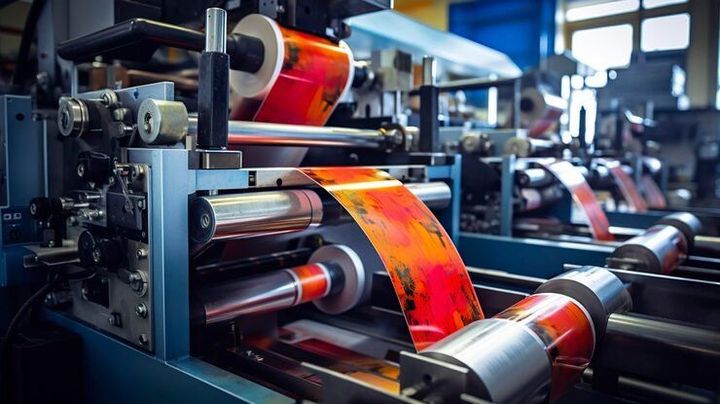
A flexographic press contains several components that work together to transfer ink and maintain consistent printing conditions. The plate cylinder holds the printing plate, while the anilox roller controls ink delivery through a pattern of small cells on its surface. The doctor blade, where fitted, removes excess ink from the anilox roller.
The impression cylinder or another supporting arrangement helps maintain contact between the plate and the substrate. Drying units, tension controls, registration systems, and inspection equipment support the movement and quality of the printed material.
Importance
Flexographic printing matters because many everyday products require printed information on packaging and labels. Food wrappers, beverage labels, shipping materials, personal care packaging, and paper bags may contain product details, instructions, branding, barcodes, or regulatory information. The printing process must reproduce these elements clearly while remaining compatible with the material being printed.
Manufacturers, packaging designers, converters, and quality-control teams need to understand the relationship between press configuration, ink, substrate, and production conditions. Incorrect choices can cause smudging, poor ink adhesion, distorted images, color variation, or damage to sensitive materials.
Common Applications
Flexographic printing is used in several industries, including:
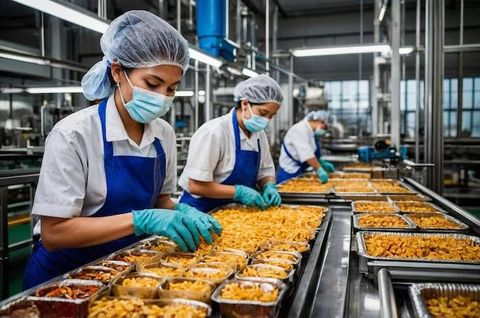
Food packaging: Printed films, wrappers, pouches, paper packaging, and certain carton materials.
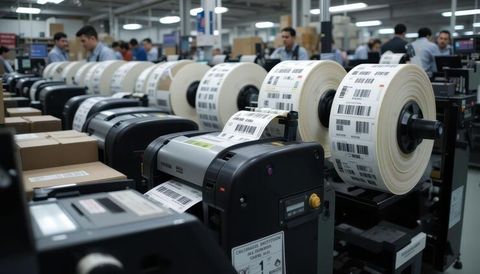
Product labels: Labels for household goods, beverages, personal care products, and industrial containers.
Paper products: Paper bags, corrugated packaging, tissue-related packaging, and wrapping paper.
Flexible packaging: Printed plastic films and multilayer packaging structures.
Industrial materials: Selected laminates, coated substrates, and specialty materials designed for printing.
The suitability of flexography depends on the material's surface, thickness, flexibility, and intended use. Materials that appear similar may respond differently to the same ink or press settings.
Flexographic Printing Press Types
Flexographic presses are commonly classified by the arrangement of their printing stations. Each configuration has different space, material-handling, and production characteristics.
| Press type | Main characteristics | Common applications |
|---|---|---|
| Inline press | Printing stations arranged in a straight sequence | Labels, cartons, specialty materials |
| Central impression press | Multiple printing units arranged around a shared impression cylinder | Flexible films and packaging |
| Stack press | Printing units arranged vertically in a stacked configuration | Paper, film, and flexible packaging |
| Narrow-web press | Designed for relatively narrow rolls of material | Labels and small-format packaging |
| Wide-web press | Designed for wider rolls of material | Large packaging films and flexible packaging |
These categories can overlap. For example, a press may use a central impression configuration and also be designed for wide-web production. The required web width, number of colors, material characteristics, and finishing operations influence equipment selection.
Recent Updates
Flexographic printing continues to develop through improvements in automation, plate-making methods, ink formulation, inspection technology, and material compatibility. Developments across 2024–2026 have generally focused on reducing setup variation, managing material waste, improving registration, and supporting packaging designs with more complex graphics. The extent of these capabilities differs among manufacturers and press models.
Automation and Digital Workflow
Modern flexographic printing systems may use automated registration controls, camera-based inspection, electronic job settings, and digital workflow tools. These systems help operators monitor print alignment, identify defects, and repeat established production settings across similar print runs.
Digital plate-making workflows also help prepare printing plates with controlled image detail. However, plate quality alone does not determine the final result. Ink properties, roller condition, substrate variation, pressure, and drying performance continue to influence print consistency.
Inks and Environmental Considerations
Water-based, solvent-based, and ultraviolet-curable inks are used in different flexographic applications. Water-based systems can be suitable for certain paper and packaging applications, while solvent-based inks are used with selected films and other substrates. Ultraviolet-curable inks use ultraviolet energy to harden the ink layer where the formulation and equipment are designed for that process.
Environmental considerations include volatile organic compound emissions, energy use, cleaning procedures, waste management, and packaging recyclability. A change in ink type may require adjustments to drying equipment, substrate preparation, or press settings. Environmental performance therefore depends on the complete production system rather than a single material choice.
Inspection and Quality Control
Camera systems and electronic monitoring can identify problems such as missing print, color differences, registration errors, and surface defects. Operators may use these systems alongside physical samples and established quality procedures. Inspection results still require appropriate interpretation and corrective action.
Laws or Policies
Flexographic printing operations are affected by rules covering worker safety, chemical handling, air emissions, packaging materials, waste disposal, and product labeling. Requirements vary according to the country, the facility, the chemicals used, and the type of packaging being produced.
Environmental and Workplace Requirements in India
In India, printing facilities may need to comply with applicable provisions of environmental legislation, including the Environment (Protection) Act, 1986, and relevant rules or directions concerning industrial emissions and waste. Depending on the operation and location, permissions or consent requirements administered by the relevant State Pollution Control Board or Pollution Control Committee may apply.
Facilities handling solvents and other chemical substances must assess applicable requirements for storage, ventilation, fire prevention, worker protection, and waste handling. The specific obligations depend on the materials and processes involved. Industrial operators should refer to the current rules and directions applicable to their facility.
Packaging and Product Information
Printed packaging may be subject to requirements governing product labels, food-contact materials, weights and measures, and consumer information. In India, relevant requirements may include applicable Food Safety and Standards Authority of India regulations for food packaging and labeling, along with Legal Metrology rules where relevant.
Ink and substrate selection is important when packaging is intended for food contact. Compliance depends on the complete packaging structure, the intended use, potential migration of substances, and applicable regulatory limits. A printing method alone does not establish that a package is suitable for direct food contact.
Tools and Resources
Several technical resources help explain flexographic printing methods and support production planning. Their usefulness depends on the press type, substrate, ink system, and quality requirements.
Printing Standards and Technical References
The Flexographic Technical Association publishes technical information and educational resources related to flexographic printing, process control, and industry practices. ISO standards may also be relevant to print quality, color measurement, process control, and packaging applications, depending on the specific task.
Ink and plate manufacturers typically provide technical data sheets describing compatibility, handling conditions, drying requirements, and recommended applications. These documents should be checked for the exact product formulation and intended substrate rather than applied universally.
Production Planning and Quality Tools
Common tools used in flexographic printing include:
Color measurement instruments: Spectrophotometers and densitometers help assess color and ink density.
Viscosity measurement tools: These help monitor ink flow characteristics where viscosity control is relevant.
Registration inspection systems: Cameras and sensors monitor alignment between printed colors.
Substrate test records: Test sheets document ink adhesion, surface behavior, and material suitability.
Production calculators: Web-width, repeat-length, and material-usage calculations help estimate layout and roll requirements.
Quality checklists: Standardized records track defects, setup parameters, cleaning, and inspection results.
Consistent documentation helps production teams identify variation between runs and understand whether a problem originates in the ink, plate, press, or substrate.
FAQs
What is flexographic printing and how does it work?
Flexographic printing uses flexible relief plates to transfer ink onto a substrate. An anilox roller meters the ink, and the plate transfers the image as the material passes through the press.
What are the main types of flexographic printing presses?
The main configurations include inline, central impression, and stack presses. Narrow-web and wide-web describe the material width a press is designed to handle, rather than a separate printing-unit arrangement.
Which inks are used in flexographic printing?
Common ink systems include water-based, solvent-based, and ultraviolet-curable inks. Selection depends on substrate compatibility, drying requirements, intended use, and applicable safety or packaging regulations.
How is substrate selection determined in flexographic printing?
Substrate selection depends on surface properties, flexibility, thickness, ink adhesion, intended use, and finishing requirements. Testing helps determine whether a particular material and ink combination produces the required print quality.
Is flexographic printing suitable for food packaging?
Flexographic printing can be used for many food-packaging applications, but suitability depends on the substrate, ink formulation, packaging structure, and applicable food-contact requirements. Regulatory compliance must be assessed for the intended use.
Conclusion
Flexographic printing uses flexible plates and controlled ink transfer to print on a wide range of packaging and labeling materials. Press configuration, ink chemistry, substrate properties, and drying conditions all influence print quality and production performance. Automation and inspection technology are helping operators monitor consistency, while environmental and packaging rules shape material choices. Understanding these factors provides a foundation for evaluating flexographic printing methods and their industrial applications.