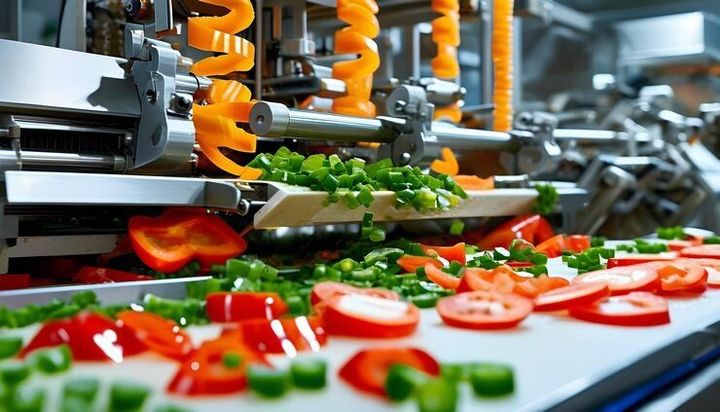
Food Manufacturing Automation Guide: Systems, Production Processes, Robotics and Quality Control
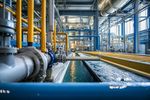
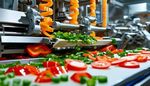
Food manufacturing automation uses machines, sensors, computer systems, and robotics to perform or control activities involved in food production. These activities include preparing ingredients, mixing, cooking, cooling, filling containers, packaging, labeling, and inspecting finished products. The purpose is to make production processes more consistent while supporting food safety, hygiene, and efficient use of materials.
Context
Food manufacturing automation uses machines, sensors, computer systems, and robotics to perform or control activities involved in food production. These activities include preparing ingredients, mixing, cooking, cooling, filling containers, packaging, labeling, and inspecting finished products. The purpose is to make production processes more consistent while supporting food safety, hygiene, and efficient use of materials.
Food processing originally depended heavily on manual work and simple mechanical equipment. As factories expanded, manufacturers introduced conveyor belts, automated temperature controls, programmable machinery, and electronic monitoring systems. Modern food manufacturing automation combines these technologies with production software and industrial robots to coordinate activities across different stages.
Understanding Food Manufacturing Automation Systems
An automated food production line may contain several connected machines that perform different tasks. Sensors collect information about temperature, pressure, weight, moisture, and product movement, while controllers use this information to adjust equipment operation.
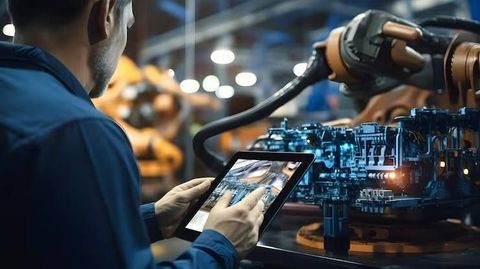
Common components include programmable logic controllers (PLCs), human-machine interfaces (HMIs), industrial robots, machine vision systems, and supervisory control and data acquisition (SCADA) systems. These components can operate independently or exchange information through an industrial control network.
Automation can be applied to different food categories, including bakery products, dairy products, packaged meals, beverages, frozen foods, and processed agricultural ingredients. The equipment and operating conditions depend on the food's characteristics, production volume, packaging format, and safety requirements.
Importance
Food manufacturing automation matters because food production requires consistent handling, controlled processing conditions, accurate packaging, and reliable records. Manufacturers must manage changing ingredient properties, production schedules, equipment performance, and hygiene requirements while maintaining the quality of products intended for consumption.
Automation can reduce repetitive manual handling and help workers perform tasks that involve heavy loads, hot surfaces, repetitive movements, or restricted working areas. However, it does not eliminate the need for trained employees, equipment maintenance, sanitation procedures, and human oversight.
Main Applications in Food Production
Different automation technologies address specific production activities:
Ingredient handling: Automated conveyors, feeders, weighing systems, and dosing equipment move and measure ingredients.
Mixing and processing: Controlled mixers, ovens, pasteurization equipment, and temperature sensors help maintain defined processing conditions.
Filling and packaging: Automated systems dispense liquids, powders, or solid products into containers and prepare them for sealing.
Robotic handling: Industrial robots can pick, sort, arrange, or transfer products between production stages.
Quality inspection: Cameras, metal detectors, checkweighers, and other inspection devices identify selected defects or deviations.
Production monitoring: Control software records equipment status, production quantities, alarms, and operating conditions.
Comparing Food Manufacturing Automation Technologies
The following table summarizes common technologies and their typical uses.
| Technology | Main function | Example application |
|---|---|---|
| PLC | Controls machine operations | Conveyor speed and filling cycles |
| Industrial robotics | Performs programmed physical movements | Packing cartons or arranging trays |
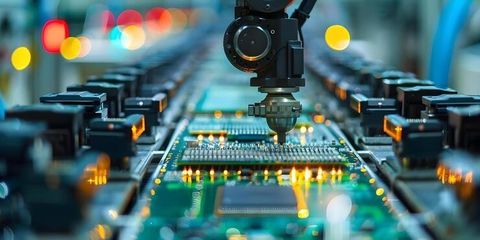
| Machine vision | Examines visible product features | Checking labels and packaging alignment |
| SCADA | Monitors and supervises industrial processes | Viewing production-line status |
| Sensors | Measure process conditions | Monitoring temperature and weight |
| Manufacturing execution system (MES) | Tracks production activities | Recording batches and production progress |
These technologies may be integrated into one production line, but their roles are different. A sensor measures a condition, a controller responds according to programmed rules, and supervisory software helps operators review process information.
Food Quality and Safety Control
Food quality control involves checking whether products meet defined requirements for appearance, weight, composition, packaging, and other relevant characteristics. Automated inspection systems can detect selected problems, such as missing labels, damaged packaging, incorrect fill levels, or visible product defects.
Food safety control is broader than visual inspection. It includes preventing contamination, maintaining appropriate processing conditions, managing allergens, controlling sanitation, and keeping accurate production records. Automation supports these activities, but equipment must be correctly configured, cleaned, calibrated, and maintained.
Recent Updates
Food manufacturing automation has continued to develop through advances in industrial connectivity, machine vision, robotics, data analysis, and artificial intelligence. During 2024–2026, manufacturers have increasingly explored connected production systems that combine equipment monitoring with quality records and maintenance information. Adoption varies according to factory size, product type, existing machinery, and available technical skills.
Artificial Intelligence and Machine Vision
Machine vision systems use cameras and image-processing software to examine products, packaging, and labels. Newer systems may use artificial intelligence to identify visual patterns that are difficult to describe through simple fixed rules. Applications include sorting produce, identifying packaging defects, and checking product presentation.
These systems require suitable images, representative training data where applicable, and validation under actual production conditions. Differences in lighting, product shape, surface texture, or packaging material can affect inspection performance. Human review remains important when a result is uncertain or a defect could affect food safety.
Robotics and Connected Production Lines
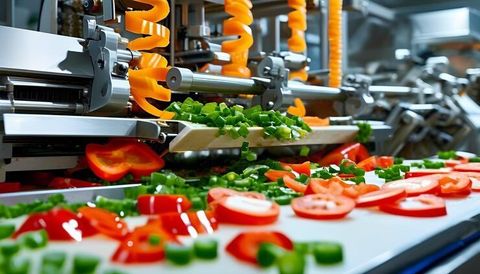
Food manufacturing robots are used for repetitive handling, palletizing, sorting, cutting, and packaging tasks. Some systems are designed for environments where frequent washing or contact with food requires specialized materials and hygienic construction.
Connected equipment can share production information across machines and monitoring platforms. This may help operators identify slowdowns, track interruptions, and review operating patterns. However, network connectivity also introduces cybersecurity concerns, including unauthorized access, software vulnerabilities, and disruption of production controls.
Predictive Maintenance and Resource Monitoring
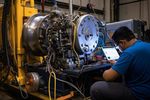
Predictive maintenance uses equipment data to identify patterns that may indicate developing faults. For example, changes in vibration, temperature, or motor performance can prompt an inspection before a breakdown occurs. These systems support maintenance planning, but their predictions depend on sensor quality, data availability, and appropriate interpretation.
Manufacturers are also exploring automated monitoring of water, electricity, compressed air, and energy-intensive processing equipment. The practical results depend on the equipment, production schedule, measurement methods, and operating conditions.
Laws or Policies
Food manufacturing automation must operate within applicable food safety, machinery safety, workplace, environmental, and data-protection requirements. The exact rules depend on the country, product category, manufacturing process, and equipment involved. Automated machinery does not remove a manufacturer's responsibility for the safety and traceability of its products.
Food Safety Regulations in India
In India, the Food Safety and Standards Authority of India (FSSAI) administers the food safety framework established under the Food Safety and Standards Act, 2006. Relevant requirements may include licensing or registration, hygiene practices, food handling controls, labeling, and recordkeeping, depending on the business and product.
Food businesses must follow applicable food safety regulations and relevant schedules concerning sanitary and hygienic practices. Automation should support these controls rather than replace them. For example, automated temperature monitoring may help document a heating process, but the process must still be validated against the applicable food safety requirements.
Machinery Safety and Workplace Requirements
Factories may also be subject to applicable occupational safety, machinery guarding, electrical safety, fire protection, and environmental requirements. Equipment such as robotic arms, conveyors, cutting machines, and automated packaging systems can create hazards if access controls, guards, emergency stops, or maintenance procedures are inadequate.
Manufacturers should consider hygienic equipment design, cleanability, safe access, and isolation of hazardous energy during maintenance. The relevant legal requirements depend on the facility and the rules in force. International standards can provide technical guidance, but a standard does not automatically replace applicable national law.
Traceability and Production Records
Traceability records help connect ingredients, processing activities, packaging information, and finished batches. Automated systems can record batch identifiers, operating conditions, inspection results, and production times, making it easier to investigate quality problems.
Electronic records must be accurate, protected against inappropriate changes, and retained according to applicable requirements. Manufacturers should also establish suitable access controls and backup procedures to reduce the risk of data loss or unauthorized modification.
Tools and Resources
Food manufacturers use engineering software, monitoring platforms, technical standards, and production templates to plan and manage automated systems. The appropriate tools depend on the factory's processes, equipment, food safety risks, and reporting requirements.
Automation Design and Monitoring Tools
PLC programming environments are used to configure industrial machine controls, while HMI and SCADA platforms help operators view process conditions, alarms, and equipment status. Manufacturing execution systems can connect production orders with batch records, material usage, and quality information.
Computer-aided design (CAD) software helps engineers plan machine layouts, conveyor routes, and equipment placement. Simulation tools can also be used to evaluate robotic movements or production-line arrangements before changes are implemented on the factory floor.
Food Safety and Technical Resources
Useful resources include the official FSSAI website, applicable food safety regulations, and guidance from recognized standards organizations. The Codex Alimentarius Commission publishes international food standards and food hygiene guidance, including principles associated with hazard analysis and critical control points (HACCP).
Manufacturers may also use maintenance logs, sanitation schedules, calibration records, batch tracking sheets, and inspection checklists. These documents help organize routine controls and provide evidence of completed activities.
Practical Automation Assessment Checklist
A structured assessment can help a factory identify its requirements before introducing new equipment:
Map each production stage, from ingredient receipt to finished packaging.
Identify repetitive tasks, safety risks, and recurring process interruptions.
Define measurable quality, hygiene, and production requirements.
Check compatibility with existing machinery and control systems.
Evaluate cleaning, maintenance, operator training, and cybersecurity needs.
Establish procedures for recording faults, inspection results, and corrective actions.
The assessment should include operators, maintenance personnel, food safety staff, and engineering specialists because automation affects both technical operations and daily working practices.
FAQs
What is food manufacturing automation?
Food manufacturing automation uses machines, sensors, controllers, robotics, and software to perform or monitor food production activities. It can support ingredient handling, processing, packaging, inspection, and production tracking.
How are robotics used in food manufacturing automation systems?
Robots can handle products, arrange items in trays, pack cartons, palletize containers, and perform selected cutting or sorting tasks. Their suitability depends on product characteristics, hygiene requirements, and the production environment.
How does automation improve food quality control?
Automated inspection equipment can check weight, packaging, labels, and visible defects. Sensors can monitor process conditions, while production software records results. These systems support quality control but require validation and appropriate human oversight.
What are the main food manufacturing automation technologies?
Common technologies include PLCs, industrial robots, machine vision, SCADA, sensors, and manufacturing execution systems. Each technology performs a different role in controlling, inspecting, or tracking production.
Which food safety regulations apply to automated food factories in India?
Relevant requirements include the Food Safety and Standards Act, 2006, and applicable FSSAI regulations. Depending on the facility, machinery safety, workplace, environmental, and recordkeeping requirements may also apply.
Conclusion
Food manufacturing automation combines machinery, robotics, sensors, and software to control production processes and support consistent food quality. Its applications include ingredient handling, processing, packaging, inspection, and traceability. Artificial intelligence and connected monitoring systems are expanding the ways manufacturers analyze production data, while food safety and machinery requirements remain essential. Effective automation depends on appropriate equipment design, validated controls, trained personnel, and reliable maintenance practices.