Food Manufacturing Systems Guide: Equipment, Production Processes, Automation and Quality Control
Food manufacturing systems are the equipment, processes, and controls used to transform agricultural ingredients and raw materials into packaged food products. These systems connect activities such as cleaning, cutting, mixing, cooking, cooling, filling, packaging, and storage. They are used in facilities that produce dairy products, baked goods, beverages, frozen meals, snacks, canned foods, and many other everyday products.
Context
Food manufacturing systems are the equipment, processes, and controls used to transform agricultural ingredients and raw materials into packaged food products. These systems connect activities such as cleaning, cutting, mixing, cooking, cooling, filling, packaging, and storage. They are used in facilities that produce dairy products, baked goods, beverages, frozen meals, snacks, canned foods, and many other everyday products.
Food production developed from traditional household preparation and small-scale processing into organized industrial operations as cities grew and demand for packaged food increased. Modern food manufacturing systems combine mechanical equipment, temperature controls, production planning, sanitation procedures, and quality checks to manage food preparation on a larger scale.
The design of a food production line depends on the ingredients, product characteristics, required output, packaging format, and food safety risks. A system used for bread production differs considerably from one used for dairy processing or canned vegetables, although the underlying principles of controlled production and hygienic handling remain similar.
Main Components of Food Manufacturing Systems
A food manufacturing system generally includes several connected components. Raw material handling equipment moves ingredients through the facility, processing machinery changes their physical or chemical characteristics, and packaging equipment prepares finished products for distribution.
Typical components include conveyors, industrial mixers, grinders, ovens, pasteurization equipment, cooling units, filling machines, weighing systems, and packaging lines. Sensors and control systems monitor operating conditions, while cleaning equipment and sanitation procedures help maintain hygienic production areas.
Importance
Food manufacturing systems affect consumers, farmers, food processors, retailers, and distribution businesses. They help manage the movement of ingredients through production, support consistent processing conditions, and reduce opportunities for contamination when equipment and procedures are properly designed and maintained.
These systems also address practical challenges such as handling perishable ingredients, maintaining suitable temperatures, managing production volumes, and reducing material losses. Without appropriate controls, food may be exposed to contamination, incorrect processing conditions, packaging defects, or unsuitable storage conditions.
Food Production Processes
Food manufacturing usually follows a sequence of connected stages. The exact process varies by product, but many facilities use a similar general workflow.
Receiving and inspection: Ingredients arrive at the facility and are checked against specifications, including condition, identity, and relevant storage requirements.
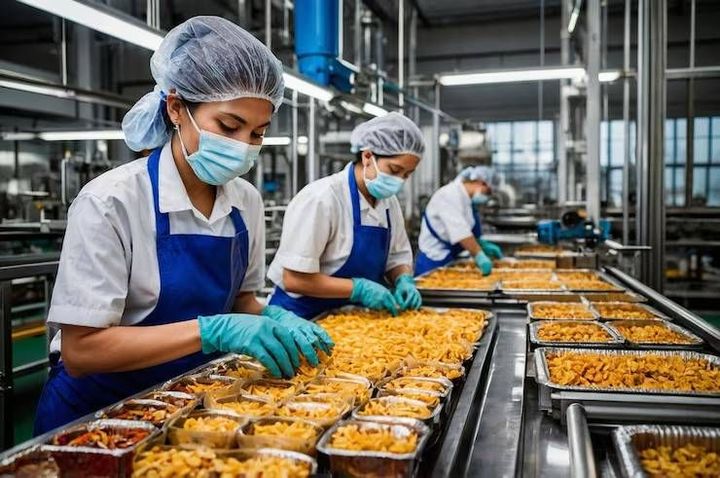
Preparation: Raw materials may be washed, sorted, peeled, cut, weighed, or measured before processing.
Processing: Ingredients undergo activities such as mixing, grinding, baking, heating, fermentation, drying, or freezing.
Cooling and intermediate storage: Products are cooled or held under suitable conditions when required by the production process.
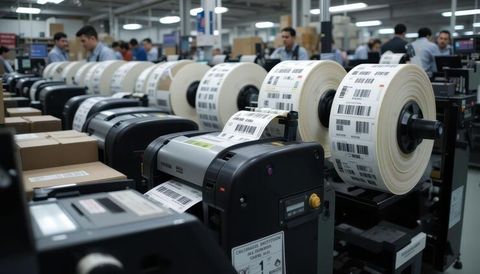
Filling and packaging: Food is placed in containers, sealed, labeled, and checked for packaging defects.
Storage and distribution: Finished products are stored under appropriate conditions before transportation.
Each stage requires suitable equipment and documented procedures. For example, refrigerated foods may need controlled temperatures throughout processing and storage, while shelf-stable products may require specific heating, moisture control, or packaging conditions.
Common Food Manufacturing Equipment
| Equipment | Main function | Common applications |
|---|---|---|
| Industrial mixers | Combine ingredients | Bakery products, sauces, dough |
| Conveyors | Move materials between stages | Snacks, packaged foods, produce |
| Industrial ovens | Apply controlled heat | Bread, biscuits, prepared meals |
| Pasteurization systems | Apply a defined heat treatment | Milk, beverages, liquid foods |
| Filling machines | Place measured quantities into containers | Bottles, jars, cartons |
| Packaging machines | Seal and protect products | Pouches, trays, bags, cartons |
| Refrigeration units | Maintain controlled temperatures | Dairy, meat, frozen foods |
| Inspection systems | Identify specified defects or deviations | Packaged and processed foods |
Equipment selection depends on food properties, production capacity, cleaning requirements, and the risks associated with the product. Machinery that handles allergens, raw ingredients, or ready-to-eat foods may require particular design and cleaning controls to prevent cross-contact or contamination.
Quality Control in Food Manufacturing
Quality control involves checking ingredients, processing conditions, packaging, and finished products against defined requirements. Common checks include weight, appearance, texture, labeling accuracy, seal integrity, and temperature records. Microbiological or chemical testing may also be necessary, depending on the product and its hazards.
Quality control and food safety are related but distinct. A product may meet its appearance and weight specifications while still presenting a food safety risk if an important processing control has failed. For this reason, manufacturers need procedures that address both product consistency and hazards that could affect consumer health.
Recent Updates
Food manufacturing systems are increasingly incorporating digital monitoring, connected machinery, automation, and data analysis. Across the 2024–2026 period, these developments have continued to influence how food processors monitor production, manage equipment, and document quality checks. Adoption varies according to facility size, product type, investment priorities, and technical requirements.
Automation and Smart Production Lines
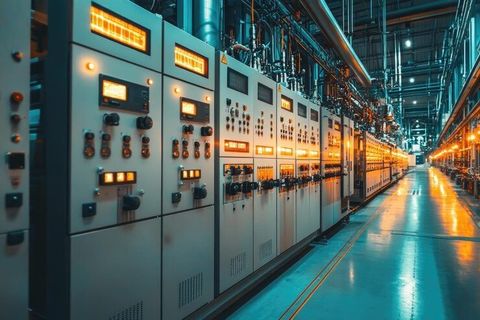
Automated systems can perform repetitive activities such as weighing ingredients, moving containers, filling packages, applying labels, and sorting products. Programmable logic controllers and supervisory control systems can coordinate machinery and monitor operating conditions, helping production teams identify deviations from established settings.
Robotics are also used in selected applications, including palletizing, packaging, product handling, and inspection. Their suitability depends on factors such as product fragility, line speed, cleaning requirements, and the need for human oversight. Automation does not remove the need for equipment maintenance, trained personnel, or food safety controls.
Sensors, Data, and Predictive Maintenance
Connected sensors can record temperatures, pressure, flow rates, humidity, and equipment operating status. Production teams can review these records to identify recurring interruptions, investigate deviations, and monitor whether critical process conditions remain within defined limits.
Some facilities use data analysis to identify patterns that may indicate equipment wear or maintenance needs. Digital traceability systems can also connect ingredient records, production batches, packaging information, and distribution records. Accurate records remain essential because automated systems depend on reliable measurements, appropriate configuration, and regular verification.
Resource Efficiency and Sustainable Processing
Food manufacturers are also examining ways to reduce water use, energy consumption, packaging waste, and avoidable food losses. Examples include heat recovery, improved refrigeration controls, efficient cleaning procedures, and better production scheduling.
These measures must be evaluated alongside hygiene and food safety requirements. Reducing water use, changing packaging materials, or adjusting processing conditions should not compromise cleaning effectiveness, product stability, or required safety controls.
Laws or Policies
Food manufacturing is governed by requirements covering food safety, hygiene, labeling, packaging, traceability, and facility operations. The applicable rules depend on the country, product category, manufacturing activity, and intended market.
Food Safety Regulations in India
In India, the Food Safety and Standards Authority of India (FSSAI) operates under the Food Safety and Standards Act, 2006. The regulatory framework covers food businesses and includes requirements relating to food safety, hygiene, product standards, and labeling.
Food businesses generally need the appropriate FSSAI registration or license for their activities. Applicable requirements depend on the nature and scale of the operation and other relevant criteria. Manufacturers must follow the provisions and regulations applicable to their products and facilities.
The FSSAI framework also addresses hygienic and sanitary practices, food additives, contaminants, packaging, and labeling through relevant regulations. Manufacturers should identify the specific requirements that apply to their products rather than assuming that one set of controls covers every food category.
Hygiene, Traceability, and Quality Documentation
Food manufacturers need suitable procedures for cleaning, pest control, personal hygiene, ingredient handling, and the prevention of contamination. Hazard Analysis and Critical Control Point (HACCP) principles provide a structured approach to identifying food safety hazards and determining where controls are necessary.
Traceability records help connect incoming ingredients with production batches and finished products. These records can support investigations and product recalls when a safety issue is identified. Depending on the applicable regulations, businesses may also need to maintain production records, testing results, supplier details, and distribution information.
Manufacturers supplying international markets may need to meet additional requirements in destination countries. Regulations can differ regarding permitted ingredients, allergen declarations, nutritional labeling, packaging materials, and import documentation.
Tools and Resources
Several technical resources help food manufacturers plan production lines, monitor equipment, and maintain food safety records. The appropriate tools depend on the type of food, the size of the operation, and the regulatory requirements that apply.
Production Planning and Equipment Monitoring
Manufacturing execution systems (MES) help coordinate production activities, record batch information, and monitor output. Enterprise resource planning (ERP) systems can connect production planning with inventory, purchasing, and distribution records. Supervisory control and data acquisition (SCADA) systems are used in suitable facilities to monitor and control industrial processes.
Temperature data loggers, calibrated weighing equipment, metal detectors, and inspection systems support particular monitoring tasks. These tools must be selected, maintained, and verified according to their intended use and the risks associated with the product.
Food Safety and Technical References
The FSSAI website provides Indian food regulations, guidance documents, licensing information, and relevant food safety resources. The Codex Alimentarius website contains internationally recognized food standards and guidance developed through the Food and Agriculture Organization and the World Health Organization.
Manufacturers can also use documented cleaning schedules, batch production sheets, maintenance logs, temperature records, and inspection checklists. Such records help organize routine activities and provide evidence that required procedures have been followed.
FAQs
What are food manufacturing systems?
Food manufacturing systems combine equipment, production processes, monitoring controls, and sanitation procedures to turn ingredients into finished food products. Their design depends on the product and its processing requirements.
What equipment is used in food manufacturing systems?
Common equipment includes mixers, conveyors, ovens, pasteurization systems, refrigeration units, filling machines, packaging machinery, and inspection devices. The equipment used varies by food category and production line.
How does automation improve food production processes?
Automation can manage repetitive handling, filling, packaging, and monitoring tasks. It can support consistent operation, but proper maintenance, process verification, and human supervision remain necessary.
Why is quality control important in food manufacturing?
Quality control checks whether ingredients, processing conditions, packaging, and finished products meet defined specifications. Food safety procedures separately address hazards that could make food unsafe for consumption.
Which food safety regulations apply to manufacturers in India?
The Food Safety and Standards Act, 2006, and relevant FSSAI regulations establish important requirements for food businesses in India. Specific obligations depend on the activity, product, facility, and applicable rules.
Conclusion
Food manufacturing systems combine machinery, production planning, automation, and quality control to process ingredients into finished food products. Equipment selection and production methods depend on product characteristics, hygiene needs, and required processing conditions. Digital monitoring and traceability can support production oversight, while food safety procedures and applicable regulations guide hygienic handling and documentation. Together, these elements form the operational framework of modern food manufacturing.