food processing plant equipment: Explore Modern Processing Systems and Workflows
Food processing plant equipment forms the working foundation of modern food manufacturing, transforming agricultural ingredients and raw materials into safe, consistent, packaged products.
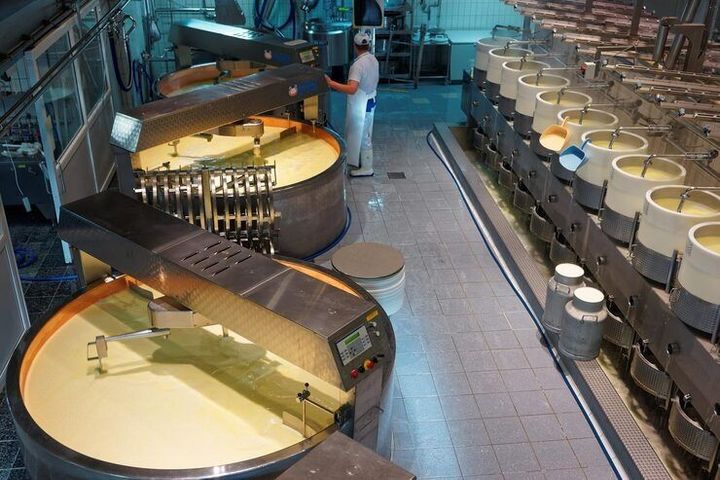
From washing and sorting to thermal treatment, mixing, filling, and packaging, each stage depends on equipment designed for a specific processing task.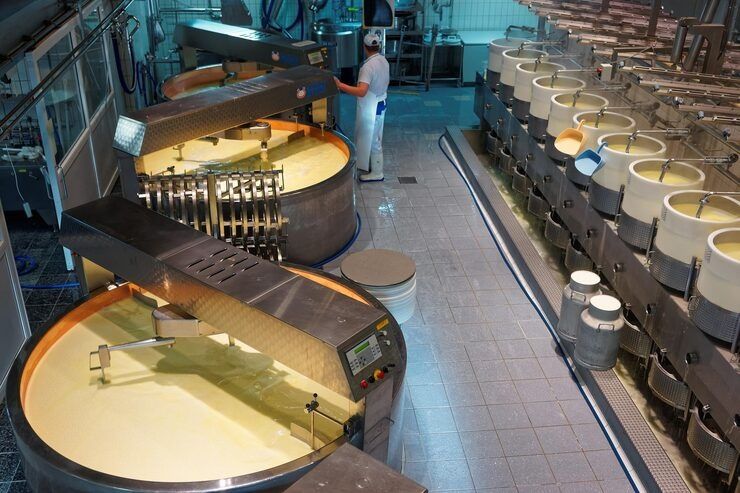
Modern facilities increasingly use integrated processing systems rather than isolated machines. Automation, sensors, hygienic design, process controls, and continuous monitoring help plants maintain consistent production while managing food safety and operational requirements.
Understanding how these systems work together provides a clearer picture of the modern processing environment. It also helps explain why equipment selection, plant layout, material flow, sanitation, and process control must be considered as one connected workflow rather than separate decisions.
How Food Processing Plant Equipment Fits Into the Production Workflow
A food processing line generally follows the physical transformation of ingredients from receiving through preparation, processing, packaging, and storage. The exact sequence varies according to the product, but the underlying principle remains the same: materials should move through controlled stages with minimal unnecessary handling.
Raw materials typically enter a receiving area where they may be inspected, weighed, sampled, and temporarily stored. Equipment such as conveyors, hoppers, weighing systems, and unloading systems helps move ingredients toward the first processing stage.
Preparation may involve cleaning, washing, peeling, cutting, grinding, sorting, or separating. These operations change the physical condition of the raw material before it enters more specialized processing equipment.
The workflow then moves toward processes such as blending, cooking, pasteurization, drying, freezing, fermentation, or other product-specific treatments. Once the product reaches the required condition, filling, sealing, labeling, inspection, and secondary packaging complete the production sequence.
Key Equipment Used in Modern Processing Plants
Different food categories require different machinery, but several equipment groups appear across many processing environments.
Material handling equipment moves ingredients and finished products between processing stages. Conveyors, pumps, elevators, pneumatic systems, and storage vessels can reduce manual movement and help maintain controlled product flow.
Preparation equipment handles early-stage transformation. Washers, cutters, slicers, peelers, crushers, grinders, and sorting systems are selected according to the characteristics of the incoming material.
Mixing and blending systems combine ingredients into a consistent formulation. Industrial mixers may use different agitation patterns depending on whether the product is liquid, powder, paste, dough, or a combination of materials.
Thermal processing equipment applies controlled heat to products. Cooking systems, pasteurizers, sterilization equipment, ovens, and heat exchangers can be configured around specific temperature and residence-time requirements.
Separation equipment removes unwanted materials or divides product streams. Screens, filters, centrifuges, separators, and clarification systems are common examples.
Packaging equipment prepares processed food for distribution and storage. Depending on the product, this may include filling machines, sealing systems, wrapping equipment, labeling machines, and automated inspection units.
The equipment is most effective when these individual functions operate as a coordinated system rather than as disconnected production stations.
Hygienic Design Is Central to Equipment Selection
Food processing equipment must be designed around sanitation as well as mechanical performance. Surfaces that contact food should generally be suitable for hygienic processing, while equipment construction should minimize areas where food residues or moisture can accumulate.
Equipment geometry can significantly affect cleaning. Crevices, difficult-to-access surfaces, dead zones, and poorly designed connections can complicate sanitation and create opportunities for contamination.
Modern facilities may use clean-in-place systems for equipment and pipelines that can be cleaned without extensive disassembly. These systems circulate cleaning solutions through defined process paths and can help standardize sanitation procedures.
However, automated cleaning does not eliminate the need for appropriate inspection and maintenance. Cleaning procedures, chemical concentrations, temperatures, contact times, and verification methods must be matched to the equipment and processing environment.
Automation and Process Control
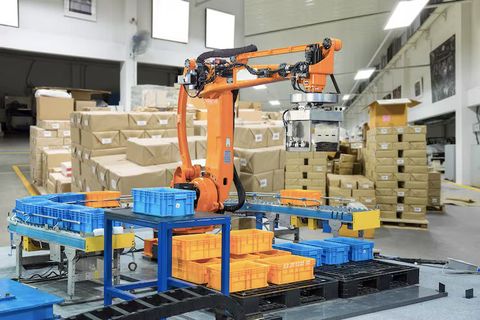
Automation has become an important component of modern food processing systems. Programmable logic controllers, sensors, variable-speed drives, industrial networks, and supervisory control systems can coordinate equipment and monitor operating conditions.
Temperature is one example. A thermal processing system may continuously monitor product or process temperature and adjust heating parameters to maintain the required operating range.
Flow, pressure, level, speed, moisture, weight, and other variables can also be measured depending on the process. Data from these instruments can provide operators with greater visibility into production conditions.
Automation also supports repeatability. When a process depends on precisely controlled operating parameters, automated systems can reduce variation between production cycles.
The objective is not simply to remove manual tasks. Effective automation creates a more controlled relationship between equipment, process parameters, quality checks, and production records.
How Modern Processing Lines Manage Material Flow
Plant layout has a direct influence on how efficiently materials move through a facility. A well-planned workflow generally seeks to reduce unnecessary transportation, crossing paths, backtracking, and opportunities for product contamination.
Raw materials and finished products may need to follow separate movement patterns. Personnel, packaging materials, waste, and cleaning activities can also require controlled pathways.
For example, a processing line may progress from receiving to preparation, then to thermal processing, cooling, filling, packaging, and finished-product storage. The exact arrangement depends on the product and facility, but the underlying principle is controlled forward movement.
Equipment placement also affects maintenance access. A machine that performs well but cannot be safely accessed for inspection or servicing can create operational difficulties later.
Equipment Integration and Line Coordination
A processing plant is rarely dependent on one machine. Production performance often depends on how well multiple machines communicate and operate together.
Consider a filling line. The upstream processing equipment must deliver product at an appropriate rate, while the filling machine must receive a consistent supply. Downstream packaging equipment must then handle the filled product without creating a bottleneck.
If one stage operates significantly slower than another, material can accumulate or equipment can remain underutilized. Buffer tanks, accumulation conveyors, controlled pumping systems, and automated synchronization can help balance different stages.
This makes throughput a system-level consideration rather than simply a specification for individual machinery.
Quality Control Within the Processing Workflow
Quality control is integrated into modern processing rather than being limited to final-product inspection. Monitoring can occur at multiple points throughout production.
Raw materials may be inspected before entering the line. During processing, operators can monitor characteristics such as temperature, weight, moisture, acidity, pressure, or product consistency where relevant.
Automated inspection systems can also identify certain physical defects. Vision systems, checkweighers, metal detection, and other technologies may be incorporated into appropriate production stages.
Traceability is another important consideration. Production records can connect batches of ingredients with processing conditions and finished products, helping organizations investigate deviations and maintain controlled manufacturing records.
Maintenance and Reliability Considerations
Processing equipment operates in demanding environments where heat, moisture, cleaning chemicals, vibration, and continuous production can affect components over time.
Preventive maintenance programs help identify wear before it develops into a larger operational problem. Common activities include inspection, lubrication where appropriate, component replacement, calibration, cleaning verification, and condition monitoring.
Spare-part planning also matters for equipment that represents a critical point in the production line. A failure in one essential machine can affect every downstream operation.
Modern condition-monitoring systems can provide additional information through vibration measurements, temperature monitoring, motor data, or other equipment signals. This allows maintenance teams to identify changes in equipment behavior before a complete failure occurs.
Choosing Equipment Around the Process, Not the Machine
Equipment selection should begin with the product and workflow rather than with a machine's specifications alone.
Important considerations include the characteristics of the raw material, required production capacity, processing temperatures, sanitation requirements, product-contact materials, available floor space, utilities, automation requirements, maintenance access, and future process changes.
Compatibility between equipment is equally important. A machine may perform effectively by itself but create problems when its output rate, connection points, control architecture, or cleaning requirements do not align with neighboring equipment.
Facility planning should therefore consider the entire processing sequence. Utilities such as water, steam, compressed air, electricity, refrigeration, drainage, and ventilation can influence both equipment placement and operating reliability.
Emerging Direction of Food Processing Systems
Modern food processing continues to move toward greater automation, data collection, process visibility, and flexible production. Digital monitoring can provide operators with more detailed information about equipment performance and process conditions.
Advanced systems may connect production equipment with centralized monitoring platforms, allowing operational data to be reviewed across multiple stages. This can support production analysis, maintenance planning, quality management, and process improvement.
Another important direction is greater attention to resource efficiency. Processing plants increasingly examine water consumption, energy use, heat recovery, waste reduction, and equipment efficiency as part of broader operational planning.
These developments do not eliminate the fundamentals of food processing. Safe material handling, hygienic design, controlled processing, reliable equipment, and disciplined sanitation remain the foundation of effective production.
Frequently Asked Questions
What equipment is commonly used in a food processing plant?
Common categories include material handling systems, preparation machinery, mixers, thermal processing equipment, separation systems, pumps, storage vessels, filling equipment, packaging machinery, inspection systems, and sanitation equipment.
Why is hygienic equipment design important?
Hygienic design helps reduce contamination risks and makes equipment easier to clean, inspect, and maintain. Equipment geometry, materials, connections, drainage, and accessibility all influence sanitation performance.
How does automation improve food processing?
Automation can continuously monitor process conditions, control equipment parameters, coordinate production stages, reduce variation, and generate operational data for quality and maintenance activities.
Why does plant layout matter?
Layout determines how materials, people, equipment, waste, and finished products move through the facility. A well-planned arrangement can reduce unnecessary movement and support controlled production and sanitation.
Does every food processing plant use the same equipment?
No. Equipment depends heavily on the product, ingredients, processing method, production scale, packaging format, sanitation requirements, and applicable food-safety controls.
Conclusion
Food processing plant equipment works as an interconnected production system, with each stage contributing to material preparation, transformation, quality control, and final packaging. Modern facilities increasingly combine hygienic engineering, automation, process monitoring, and coordinated material flow to create controlled production environments.
The most effective processing workflow begins with the product and its manufacturing requirements. Equipment, layout, sanitation, utilities, automation, maintenance, and quality controls must then be designed around that workflow. Understanding these relationships makes it easier to see how modern food processing systems achieve consistency while maintaining operational and food-safety requirements.