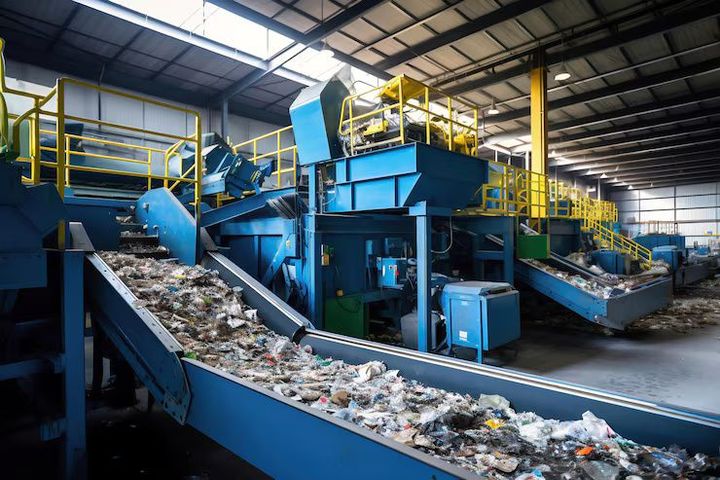
EPS Recycling Machines and Foam Recycling Systems: Discover How They Work
Expanded polystyrene, commonly called EPS foam, is widely used for protective packaging, insulation, food containers, and other applications.
Its lightweight structure makes it practical for many industries, but the same low density creates a major recycling challenge: large volumes of foam can occupy substantial storage and transportation space even when the actual material mass is relatively small.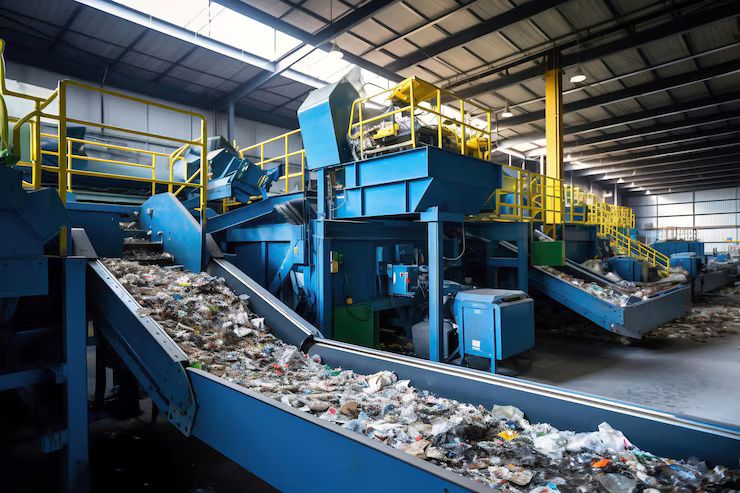
EPS recycling machines and foam recycling systems address this problem by mechanically processing discarded foam and significantly reducing its volume. Depending on the system design, the material may be compacted, crushed, densified, or otherwise prepared for handling and further processing.
Understanding how these systems work requires looking beyond the machine itself. The quality of the incoming foam, contamination levels, material preparation, processing technology, and output requirements all influence how effectively an EPS recycling operation performs.
Why EPS Foam Requires Specialized Recycling Equipment
EPS consists largely of expanded polystyrene beads containing a high proportion of air. This structure explains both its usefulness and the difficulty of handling discarded material.
A relatively small amount of polymer can occupy a large physical volume after expansion. As a result, loose EPS waste can quickly fill collection containers and require frequent transportation. Moving large quantities of low-density material is inefficient because trucks and storage areas become full before the polymer itself represents a significant mass.
Mechanical recycling equipment changes this equation by reducing the space occupied by the foam. Through processes such as compaction or densification, a recycling facility can create a much more manageable material stream for storage, transport, and downstream processing.
How EPS Recycling Machines Process Foam
EPS recycling systems can differ significantly in configuration, but the basic process usually begins with material collection and preparation.
Clean foam is introduced into the equipment through a feed opening or hopper. Depending on the technology, internal mechanisms may break the material into smaller pieces before applying mechanical force to compress or densify it.
A densifier typically heats and compresses EPS under controlled conditions. The material changes from a bulky, expanded structure into a much denser form while remaining within a controlled processing environment.
Other systems use mechanical compaction without the same degree of thermal processing. The choice depends on the type of EPS being handled, the desired output characteristics, operating volume, and downstream application.
The Main Stages of Foam Recycling
Although equipment layouts vary, a typical foam recycling workflow involves several connected steps.
Collection and Sorting
The first stage is collecting discarded foam from manufacturing facilities, distribution operations, construction activities, packaging streams, or other sources.
Sorting is essential because EPS may arrive mixed with tape, labels, cardboard, food residue, plastics, or other materials. Cleaner feedstock generally makes processing easier and can improve the quality of the resulting recycled material.
Size Reduction
Some systems use shredders, granulators, or crushing mechanisms to reduce bulky foam into smaller pieces. Smaller particles can move through subsequent equipment more consistently.
Size reduction also helps break apart large packaging shapes and prepares the material for more controlled compaction.
Compaction or Densification
This is the central processing stage in many EPS recycling systems. The equipment applies mechanical pressure, thermal energy, or both to reduce the foam's volume.
Densification creates a substantially more compact material that can be stored and transported more efficiently than loose EPS.
Output and Handling
The resulting material may emerge as compressed blocks, dense pieces, or another controlled form depending on machine design. Output handling systems can then move the material into bags, containers, storage areas, or additional processing equipment.
Different Types of Foam Recycling Systems
Not every foam recycling operation requires the same machinery. The appropriate configuration depends on material type, contamination, throughput requirements, and the intended use of the processed material.
| System Type | Primary Function | Typical Role |
|---|---|---|
| Foam Crusher | Breaks foam into smaller pieces | Material preparation |
| Foam Compactor | Compresses loose foam | Volume reduction |
| EPS Densifier | Produces highly compact material | Recycling and transport |
| Foam Shredder | Reduces large pieces into fragments | Pre-processing |
| Integrated Recycling Line | Combines multiple stages | Higher-volume operations |
Some facilities use a single machine for straightforward volume reduction, while larger operations may connect several machines into an integrated processing line.
What Happens to Recycled EPS After Processing?
Densification does not automatically mean the material has returned to its final recycled form. The processed EPS may require additional steps depending on its intended destination.
Densified polystyrene can be transported to facilities where it is further processed into recycled polymer feedstock. Recovered material may eventually contribute to the production of new polystyrene-based products, provided its quality and composition are suitable for the intended application.
The quality of the recovered material matters significantly. Clean, consistent EPS is generally easier to process than heavily contaminated material, which may require additional sorting or may be unsuitable for certain recycling pathways.
Why Contamination Control Matters
Contamination is one of the most important operational considerations in foam recycling.
Food residue, adhesives, paper, metal fragments, soil, and mixed plastics can interfere with processing and affect the quality of recovered material. Contaminated feedstock may also increase maintenance requirements and complicate downstream handling.
For this reason, effective recycling programs often begin with source separation. Keeping EPS separate from incompatible materials can simplify sorting and improve the consistency of the recycling stream.
Manufacturers and facility operators may also establish collection procedures that identify acceptable material types before the foam enters the recycling equipment.
Factors That Influence Machine Performance
The performance of EPS recycling machines depends on more than rated capacity. Operators need to consider the characteristics of the material being processed and how the equipment fits into the broader workflow.
Important factors can include:
- Feedstock cleanliness
- Foam density and physical condition
- Particle size
- Moisture and contamination
- Processing throughput
- Output density
- Equipment footprint
- Maintenance requirements
- Feeding and discharge design
A system designed for clean manufacturing scrap may perform differently from equipment handling post-consumer packaging with mixed contaminants.
Operational consistency is particularly important. Irregular feeding, unsuitable material, or inadequate maintenance can reduce throughput and create unnecessary interruptions.
Safety and Maintenance Considerations
Foam recycling equipment contains moving mechanical parts and, in some designs, heated processing elements. Safe operation therefore requires appropriate guarding, training, inspection, and adherence to the equipment manufacturer's operating procedures.
Routine maintenance can include cleaning feed areas, inspecting wear components, checking electrical and mechanical systems, and monitoring moving parts for abnormal vibration or deterioration.
Where thermal densification is used, temperature control becomes an additional consideration. Proper operating parameters help maintain consistent processing while reducing the likelihood of equipment problems.
Where Foam Recycling Systems Fit Into Modern Waste Management
EPS recycling equipment is particularly useful where organizations generate substantial quantities of foam on a recurring basis. Packaging manufacturers, distribution centers, construction operations, retailers, and specialized waste-processing facilities may all encounter material streams where volume reduction has significant operational value.
The broader benefit is improved material handling. By transforming bulky loose foam into a much denser form, recycling systems can make collection, storage, transportation, and further processing more manageable.
However, equipment alone does not create an effective recycling program. Collection practices, sorting procedures, market demand for recovered material, logistics, and downstream processing all influence whether recovered EPS remains within a practical recycling pathway.
Choosing a Suitable Recycling Approach
The right recycling system depends on the characteristics of the foam stream and the organization's operational objectives.
A facility handling relatively clean packaging offcuts may need a straightforward densification process. Another operation receiving mixed foam waste may require sorting and size-reduction equipment before densification.
The most useful evaluation begins with the material itself. Understanding where the foam comes from, how contaminated it is, how much is generated, and what form the processed output needs to take provides a stronger basis for selecting an appropriate system.
Frequently Asked Questions
What does an EPS recycling machine do?
An EPS recycling machine processes expanded polystyrene foam to reduce its volume and prepare the material for easier storage, transportation, or further recycling.
How does an EPS densifier work?
An EPS densifier generally combines pressure with controlled processing conditions to compress expanded foam into a much denser form. Some systems use mechanical force alone, while others use controlled heat and compression.
Can contaminated EPS be recycled?
Some contaminated EPS can be processed after sorting or cleaning, but heavy contamination can reduce material quality and complicate recycling. Source separation usually improves processing efficiency.
What is the difference between EPS compaction and densification?
Both processes reduce foam volume, but densification generally produces a more compact and controlled output. The exact distinction depends on the machine design and processing method.
What happens after EPS is densified?
Densified EPS can be transported for additional processing, where it may be converted into recycled polymer feedstock or used in applications suitable for the recovered material's quality and composition.
Conclusion
EPS recycling machines and foam recycling systems provide a practical way to manage one of the defining challenges of expanded polystyrene waste: extremely low density and high physical volume. By shredding, crushing, compacting, or densifying foam, these systems make material handling more efficient and create a more practical pathway for further processing.
Effective EPS recycling depends on the complete workflow rather than the machine alone. Clean collection, appropriate sorting, suitable processing technology, regular maintenance, and reliable downstream recovery all contribute to better results. As organizations seek more efficient approaches to managing foam waste, well-designed recycling systems can play an important role in turning bulky discarded material into a more manageable recovered resource.