Industrial Juice Machine: Explore Types and Processing Methods
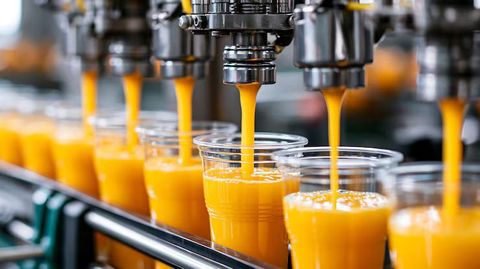
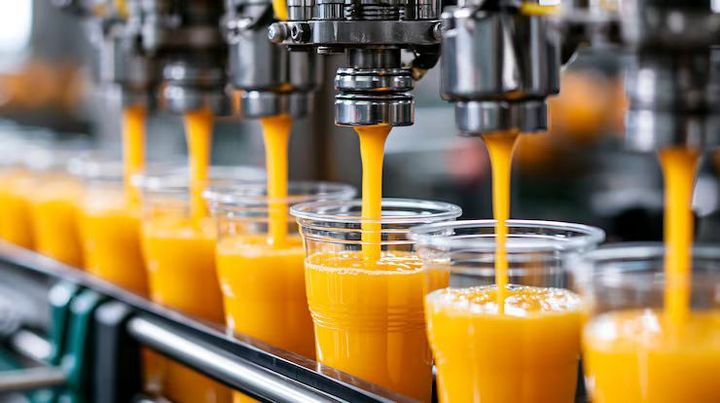
Industrial juice machines are designed to turn fruits, vegetables, and other plant materials into juice at a controlled production scale. Unlike small food-processing equipment, these systems are engineered around continuous material handling, extraction efficiency, sanitation, and consistent output.
Modern juice processing involves much more than simply extracting liquid from fresh produce. Raw materials may need washing, sorting, crushing, pulping, pressing, filtering, clarification, concentration, or heat treatment before the finished juice reaches its intended form.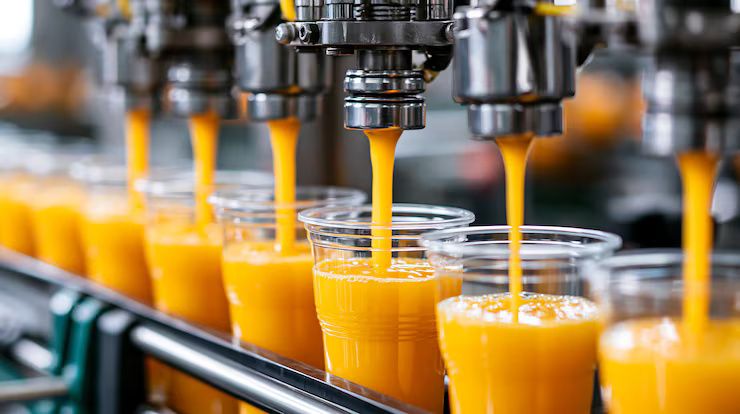
Understanding the different industrial juice machine types helps explain why processing facilities use different extraction technologies for different fruits and products. The right configuration depends on raw material characteristics, desired juice quality, production requirements, and downstream processing.
How Industrial Juice Processing Works
A commercial juice line typically follows a sequence of connected processing stages. Each stage performs a specific function, and the equipment is selected according to the characteristics of the raw material.
Fresh produce first passes through receiving and inspection areas. Damaged or unsuitable material can be removed before processing begins. Washing equipment then removes soil, plant debris, and other surface contaminants.
After preparation, the fruit or vegetable may be cut, crushed, pulped, or otherwise conditioned. This step makes the cellular structure easier to break down and allows the juice to be separated from solid material.
Extraction follows preparation. Depending on the raw material, this may involve pressing, centrifugal separation, reaming, pulping, or specialized extraction systems.
The extracted liquid can then undergo additional processing such as filtration, clarification, deaeration, pasteurization, blending, or concentration. The final sequence depends on whether the facility produces fresh-style juice, clarified juice, puree-based beverages, concentrate, or another product.
Major Types of Industrial Juice Machines
There is no single machine that works equally well for every fruit or vegetable. Industrial juice equipment is generally specialized around the physical structure and processing characteristics of the raw material.
Hydraulic and Mechanical Presses
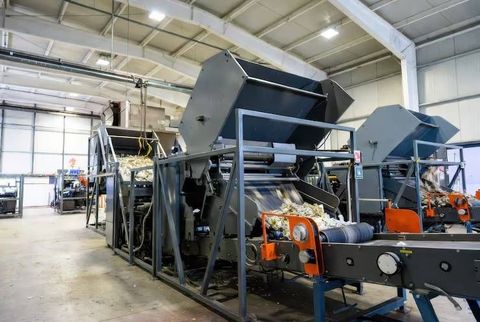
Pressing systems separate juice by applying mechanical force to crushed or prepared plant material. Hydraulic presses use controlled pressure, while mechanical systems can use continuous or batch-oriented mechanisms.
These machines are particularly useful when the raw material releases liquid efficiently under pressure. Press design influences extraction yield, solids content, and the characteristics of the resulting juice.
Pressing can also be combined with preparation equipment that breaks down the material before it enters the extraction stage.
Screw Presses
Screw presses use a rotating screw to move material through a gradually narrowing chamber. As the available space decreases, pressure builds and liquid is separated from the fibrous portion.
This continuous operating principle makes screw presses useful in industrial environments where steady material flow is required. They can process certain fruits, vegetables, and plant materials while producing juice alongside a relatively dry solid fraction.
Adjustments to screw speed, pressure, feed rate, and screen configuration can affect extraction performance.
Centrifugal Juice Extractors
Centrifugal systems use high-speed rotation to separate liquid from solids. Prepared produce enters the extraction chamber, where mechanical action breaks down the material and centrifugal force helps separate juice from pulp.
These systems can provide rapid processing and are suitable for selected fruits and vegetables. However, the characteristics of the resulting juice depend on factors such as raw material structure, rotational speed, temperature, and exposure to air.
Because oxidation can influence flavor and color in some juices, downstream processing may be necessary depending on the product specification.
Citrus Juice Extractors
Citrus processing requires specialized equipment because oranges, lemons, limes, and similar fruits have distinctive structures involving peel, pulp, membranes, seeds, and oil-containing components.
Industrial citrus extractors are designed to separate juice while controlling contact with peel components. Additional equipment may separate seeds, pulp, and other solids from the extracted liquid.
Citrus processing can therefore involve a complete extraction system rather than a general-purpose fruit juicer.
Pulpers and Finishing Machines
Some fruits produce a thick pulp rather than a naturally clear liquid. Mangoes, guavas, peaches, and similar materials may require pulping equipment that separates edible material from skins, seeds, and coarse fibers.
A pulper typically uses a rotating element and screen arrangement to force suitable pulp through controlled openings while retaining larger unwanted components.
Finishing equipment can then refine the pulp by removing additional fibers or coarse particles. The screen configuration is particularly important because different products require different texture characteristics.
Common Industrial Juice Processing Methods
Extraction is only one part of industrial juice production. Processing methods after extraction determine characteristics such as clarity, stability, texture, and storage behavior.
Pressing and Extraction
The first major objective is to separate liquid from plant tissue while preserving desirable components. Crushing, milling, pressing, and centrifugal separation are common approaches.
The appropriate method depends heavily on the fruit. Soft fruits may require pulping, while firmer materials can respond effectively to crushing and pressing.
Extraction conditions must be controlled because excessive mechanical force can introduce unwanted solids or alter the characteristics of the juice.
Filtration and Clarification
Freshly extracted juice often contains suspended particles. Depending on the desired product, these may be retained or removed.
Filtration uses physical barriers to separate particles from the liquid. Clarification can involve additional separation techniques designed to produce a more uniform appearance.
Clear juice generally requires more intensive separation than naturally cloudy juice. The target product therefore determines how much processing is appropriate.
Deaeration
Air can become incorporated into juice during cutting, crushing, pumping, and mixing. Dissolved oxygen may contribute to changes in color, flavor, and certain sensitive components.
Deaeration equipment reduces unwanted air from the product before subsequent processing. This stage can be particularly relevant when maintaining product characteristics during storage is important.
The effectiveness of deaeration depends on factors such as temperature, vacuum conditions, residence time, and juice composition.
Pasteurization
Pasteurization uses controlled heat treatment to reduce microorganisms and improve product safety and stability. The temperature and holding time depend on the product and processing system.
Heat treatment must balance microbiological objectives with product quality. Excessive thermal exposure can affect flavor, color, aroma, and heat-sensitive nutrients.
For this reason, industrial juice lines commonly integrate temperature monitoring and automated process controls.
What Determines Machine Selection?
Choosing industrial juice equipment begins with understanding the raw material rather than selecting equipment based only on output capacity.
Fruit firmness, fiber content, seed structure, moisture level, particle characteristics, and desired juice texture all influence equipment design.
The intended product also matters. A facility producing clear apple juice may require a substantially different processing sequence from one producing mango pulp or cloudy citrus juice.
Important engineering considerations include:
- Raw material characteristics
- Required extraction method
- Desired juice texture and clarity
- Processing throughput
- Cleaning and sanitation requirements
- Temperature control
- Material compatibility
- Automation and process monitoring
- Integration with filtration and heat-treatment equipment
Equipment is generally most effective when these factors are considered as a complete processing system rather than as isolated machines.
Sanitation and Process Control
Food-processing equipment must be designed for hygienic operation. Juice contains nutrients that can support microbial growth, making cleaning and sanitation fundamental parts of plant operation.
Equipment surfaces that contact the product should be suitable for food processing and designed to minimize areas where material can accumulate. Many industrial systems use clean-in-place procedures to circulate cleaning solutions through processing equipment without completely dismantling the production line.
Process control also plays a major role. Sensors and automated controls can monitor variables such as temperature, flow, pressure, tank levels, and processing time.
Consistent monitoring helps operators identify deviations before they affect larger quantities of product.
Efficiency Depends on the Entire Processing Line
A high-capacity extractor does not automatically create an efficient juice operation. Extraction performance depends on what happens before and after the machine.
Poor raw-material preparation can reduce extraction efficiency. Inadequate filtration can overload downstream equipment. Poor temperature control can affect product characteristics. Inefficient cleaning procedures can increase downtime.
For this reason, industrial juice production is best understood as an interconnected process.
A typical line may include:
Receiving → Washing → Sorting → Preparation → Extraction → Separation → Filtration or Finishing → Heat Treatment → Filling
Not every facility uses every stage, and some products require additional concentration, blending, or specialized separation.
Frequently Asked Questions
What is an industrial juice machine used for?
An industrial juice machine separates liquid from fruits, vegetables, or other plant materials at production scale. Different machines perform extraction, pulping, pressing, filtration, or related processing functions.
Which machine is suitable for citrus fruits?
Citrus fruits generally require specialized extraction equipment because the peel, membranes, seeds, pulp, and oil-containing components need to be separated carefully during processing.
Why are different extraction methods used?
Fruits have different structures and moisture characteristics. Pressing, centrifugal extraction, pulping, and specialized systems are selected according to the raw material and the desired juice characteristics.
Is extraction the only stage in juice processing?
No. Industrial processing can include washing, preparation, extraction, filtration, clarification, deaeration, pasteurization, blending, concentration, and filling.
Conclusion
Industrial juice machines form part of a broader processing system designed to convert raw agricultural materials into consistent juice products. Presses, screw systems, centrifugal extractors, citrus machines, and pulpers each address different processing requirements.
The most suitable approach depends on the raw material, desired product characteristics, throughput, sanitation requirements, and downstream processing stages. Understanding these relationships makes it easier to see why industrial juice production relies on coordinated equipment rather than a single universal extraction machine.