Foot Spa Machine A Complete Guide to Types, Massage Modes & Daily Use Tips
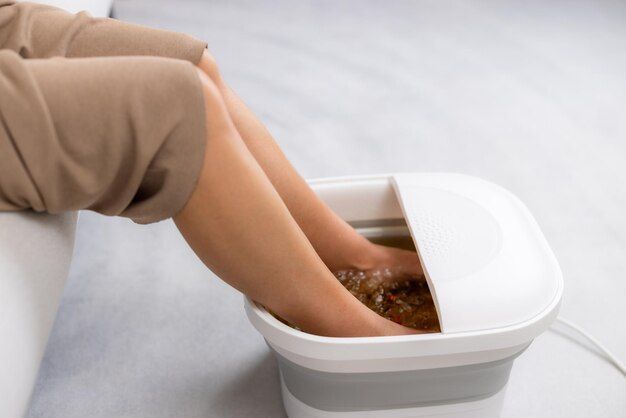
A foot spa machine is a household wellness device designed to combine warm water, soaking, and various forms of foot massage. Depending on the model, it may use features such as vibration, water jets, rolling nodes, bubbles, heat maintenance, or rotating massage components. These functions are intended to make routine foot soaking more comfortable and convenient.
Context
A foot spa machine is a household wellness device designed to combine warm water, soaking, and various forms of foot massage. Depending on the model, it may use features such as vibration, water jets, rolling nodes, bubbles, heat maintenance, or rotating massage components. These functions are intended to make routine foot soaking more comfortable and convenient.
The idea behind foot soaking has existed for centuries across different cultures. Traditional foot baths used warm water and simple containers, while modern foot spa machines add mechanical and temperature-related functions to the basic soaking process.
Today, foot spa machines are available in several designs. Some are simple water basins with vibration, while others combine multiple massage modes and automated controls. Understanding these differences helps explain what each machine actually does and how its features affect daily use.
How a foot spa machine works
A typical foot spa machine has a basin that holds water and a control system for operating its available functions. Depending on the design, an internal heating element may warm the water or help maintain its temperature.
Massage functions operate through different mechanisms. Vibration creates small movements through the base, water jets circulate streams of water around the feet, and rollers or textured surfaces apply mechanical pressure to selected areas.
The user generally fills the basin according to the manufacturer's instructions, places the feet inside, and selects the appropriate functions. After use, the water is emptied and the basin should be cleaned and dried.
Common types of foot spa machines
Foot spa machines can be grouped according to their main operating features.
| Type | Main function | Common features |
|---|---|---|
| Basic soaking model | Warm-water foot bath | Basin, splash protection |
| Vibration model | Mechanical vibration | Vibration plate, controls |
| Bubble model | Water and air movement | Bubble outlets, soaking basin |
| Jet model | Directed water movement | Water jets, circulation |
| Roller model | Mechanical foot massage | Rollers, textured surfaces |
| Multi-function model | Combines several functions | Heat, bubbles, vibration, rollers |
The actual combination of features varies between models. A machine described as having several massage modes may use different combinations of vibration, water movement, rollers, and heat-related functions.
Importance
Feet experience repeated pressure during walking, standing, exercise, and other everyday activities. A foot spa machine provides a convenient way to combine soaking with mechanical stimulation without requiring a separate basin and manually controlled massage method.
The appeal of these devices is not limited to one particular group. People who spend long periods standing, those who enjoy warm-water foot baths, and individuals interested in incorporating foot soaking into a personal relaxation routine may use them.
However, a foot spa machine should be viewed as a wellness appliance rather than a replacement for medical evaluation. Persistent pain, swelling, numbness, skin changes, injuries, or other unusual symptoms can have many possible causes and may require assessment by an appropriate healthcare professional.
Understanding massage modes
Different massage modes create different physical sensations. Vibration uses rapid, small movements through the base of the machine, while water jets direct moving water toward the feet.
Rollers provide mechanical contact beneath or around parts of the feet. Bubble functions introduce air into the water, producing movement and a bubbling sensation.
Some machines allow several functions to operate simultaneously. Combining modes can change the intensity and sensation, so users should follow the operating instructions and select settings appropriate for their comfort.
Daily use considerations
Using a foot spa regularly requires attention to duration, temperature, hygiene, and equipment condition. Longer sessions are not necessarily more useful, and excessively hot water can irritate or damage skin.
Before each session, users should consider whether the machine is clean, whether the electrical components appear intact, and whether the water temperature is comfortable. The feet should also be checked for cuts, irritation, or other skin problems.
A practical routine may include:
- Preparing clean water at a comfortable temperature.
- Checking the basin and electrical components before operation.
- Keeping the feet comfortably positioned inside the basin.
- Selecting a suitable massage mode.
- Avoiding excessive heat or prolonged exposure.
- Emptying and cleaning the basin after use.
- Allowing the machine to dry completely before storage.
Recent Updates
Recent foot spa machine development has generally focused on combining multiple functions within a compact household appliance. Designs increasingly incorporate digital controls, preset operating modes, adjustable heat functions, vibration systems, rollers, and water circulation.
Another trend is greater attention to ease of cleaning. Removable components, smoother basin surfaces, drainage arrangements, and accessible controls can simplify routine maintenance.
Changes in control systems
Traditional foot spa machines commonly use simple switches or mechanical controls. Newer designs may use digital buttons, touch controls, timers, or displays that show selected settings.
Some connected wellness appliances can also communicate with mobile applications. Such features may provide control or tracking functions, although connectivity does not determine the physical effectiveness or accuracy of a massage mechanism.
Materials and water management
Manufacturers continue to use lightweight plastics and molded materials for many foot spa basins. Designs may include splash guards and drainage features intended to reduce handling during emptying.
Water hygiene remains an important consideration regardless of how advanced the controls are. Warm, damp environments can support microbial growth when equipment is not cleaned and dried properly, making routine cleaning particularly relevant for devices used repeatedly.
Laws or Policies
Foot spa machines are generally treated as household electrical or personal wellness appliances rather than as medical treatment devices, although their regulatory classification can vary according to their design, claims, intended purpose, and jurisdiction.
Electrical safety requirements may address insulation, grounding, water exposure, electrical components, labeling, testing, and operating instructions. Products intended for use around water may face additional safety considerations because water and electricity create specific hazards.
If a manufacturer presents a foot spa machine as a device intended to diagnose, prevent, or treat a medical condition, additional medical-device rules may apply depending on the jurisdiction. The regulatory requirements can therefore differ substantially between an appliance marketed for relaxation and one making medical claims.
Consumers should follow the safety instructions supplied with the specific machine. Regulatory marks, electrical ratings, warnings, and operating instructions should be checked according to the rules applicable in the user's region.
Electrical and water safety
Because a foot spa machine combines water with an electrical system, safe handling is particularly important. Users should avoid operating a damaged machine and should not handle electrical connections with wet hands.
The machine should be disconnected from electrical power according to its instructions before cleaning, emptying, or carrying out maintenance. Electrical components should not be submerged unless the manufacturer specifically states that they are designed for such exposure.
Tools and Resources
Several simple resources can help users understand foot spa machines and maintain them appropriately.
User manuals
The manufacturer's operating manual is the primary reference for water levels, temperature settings, massage modes, session limitations, cleaning procedures, and electrical precautions. Different machines can have substantially different operating requirements.
Cleaning checklists
A basic maintenance checklist can include:
- Emptying the water after each session.
- Rinsing the basin according to the instructions.
- Cleaning surfaces where residue may accumulate.
- Inspecting removable rollers or accessories.
- Drying the basin thoroughly.
- Checking cables and plugs for visible damage.
- Storing the machine in a dry location.
Temperature and timer controls
A thermometer can help verify water temperature when a machine does not display it accurately. A built-in timer or separate timer can also help prevent unintentionally extended sessions.
The controls provided by the machine should remain the primary reference because heating systems and operating limits differ among models.
Product documentation and regulatory information
Electrical-safety documentation, manufacturer instructions, and applicable national appliance regulations can provide additional information about safe operation. Where a device makes health-related claims, the relevant medical-device authority can also provide information about its regulatory status.
FAQs
What is a foot spa machine used for?
A foot spa machine is primarily designed for warm-water foot soaking and relaxation. Depending on the model, it may also provide vibration, bubbles, water jets, rollers, or other massage functions.
How does a foot spa machine with massage modes work?
A foot spa machine with massage modes may use vibration, rotating rollers, water jets, or air bubbles to create different sensations. Controls may allow individual functions to operate separately or together.
Can a foot spa machine be used every day?
Daily use depends on the machine's instructions, water temperature, session duration, and the user's individual circumstances. Excessive heat or prolonged soaking can irritate the skin, so routine use should remain within the equipment's specified operating guidance.
How should a foot spa machine be cleaned?
The basin should generally be emptied, rinsed, cleaned according to the manufacturer's instructions, and thoroughly dried after use. Removable components may require separate cleaning, while electrical parts should be kept away from water unless specifically designed for exposure.
Are foot spa machines safe to use?
Foot spa machines can present risks if they are used incorrectly, especially because they combine water and electricity. Damaged equipment, excessive water temperature, poor hygiene, or inappropriate use can create safety concerns. People with particular medical or skin-related circumstances should seek appropriate professional guidance before incorporating foot soaking into their routine.
Conclusion
A foot spa machine combines traditional foot soaking with functions such as vibration, bubbles, water jets, rollers, and temperature controls. Different machine types create different sensations and require appropriate handling, cleaning, and water management. Recent designs have increasingly combined multiple functions with digital controls and easier maintenance features. Electrical safety, hygiene, temperature, and the machine's operating instructions remain important considerations during routine use.