full mouth dental implants: Explore How Complete Tooth Restoration Works
Losing most or all natural teeth can affect much more than the ability to chew. It can change speech, facial support, confidence, and everyday eating habits.
Full mouth dental implants provide one approach to comprehensive tooth restoration by using dental implants to support a fixed or removable replacement for multiple missing teeth.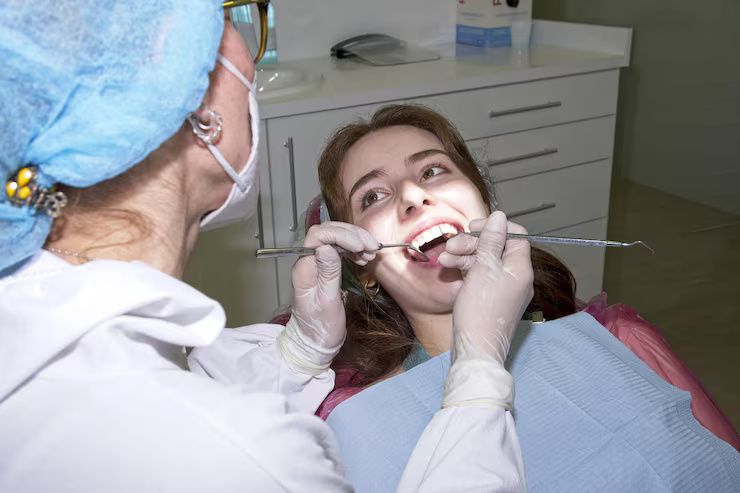
Unlike traditional dentures that rest primarily on the gums, implant-supported restorations are anchored to implants placed within the jawbone. The number and position of implants can vary according to the patient's anatomy, remaining teeth, bone volume, and the type of restoration being planned.
Understanding the process helps patients know what happens before, during, and after treatment. It also explains why dental evaluation, imaging, implant placement, healing, and the final restoration are all important parts of complete tooth rehabilitation.
How Full Mouth Dental Implant Restoration Works
Full mouth restoration generally refers to replacing most or all teeth in one or both arches. It does not necessarily mean placing one implant for every missing tooth. Instead, several strategically positioned implants can support a larger prosthetic restoration.
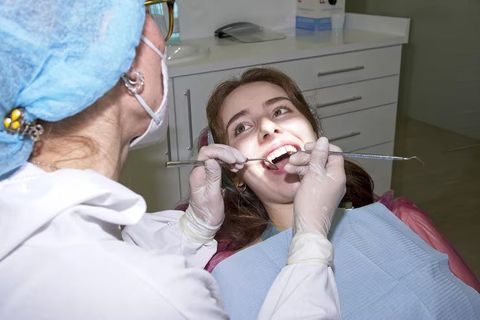
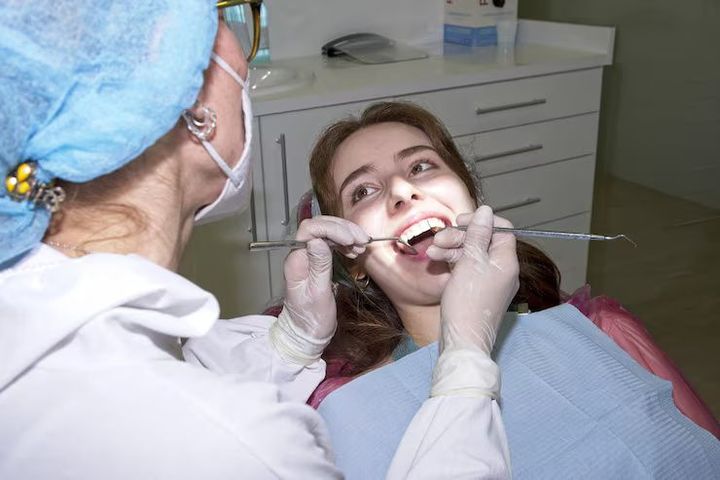
The process begins with an examination of the teeth, gums, jawbone, bite, and overall oral condition. Dentists may use digital scans, X-rays, or three-dimensional imaging to assess bone structure and determine whether existing teeth can be preserved.
The treatment plan then considers the desired type of replacement teeth. Depending on the clinical situation, the final restoration may involve an implant-supported bridge, an overdenture, or another fixed or removable prosthetic design.
The objective is to create a stable restoration that functions as part of the patient's overall bite rather than treating each missing tooth as an isolated problem.
The Evaluation Determines Whether Implants Are Appropriate
A detailed evaluation is one of the most important stages because implant treatment depends on several biological and mechanical factors.
The dentist examines the condition of the gums and jawbone, identifies active oral disease, and evaluates the relationship between the upper and lower jaws. Existing restorations or damaged teeth may also influence the treatment sequence.
Three-dimensional imaging can help reveal the available bone volume and the location of anatomical structures such as nerves and sinuses. This information allows the dental team to plan implant positions with greater precision.
Medical history is also relevant. Certain systemic conditions, medications, tobacco use, and other factors can affect healing or surgical planning. A dentist or oral surgeon must consider these factors before recommending treatment.
Implant Placement and the Healing Stage
Dental implants are typically made from biocompatible materials such as titanium or, in some circumstances, zirconia. During placement, the implant is positioned within the jawbone where it can eventually integrate with the surrounding bone.
This biological process is called osseointegration. As healing occurs, bone forms around the implant surface and helps provide the foundation needed for the eventual restoration.
The healing timeline varies considerably between patients. In some situations, a temporary restoration may be attached during the healing period. In others, the dental team may allow the implants to heal before connecting the final prosthetic teeth.
The appropriate approach depends on factors such as implant stability, bone quality, surgical complexity, and the restoration being used.
Why Bone and Gum Health Matter
Healthy supporting tissues are fundamental to long-term implant function. When teeth have been missing for an extended period, the jawbone can gradually lose volume because it no longer receives the same mechanical stimulation associated with natural teeth.
Reduced bone volume does not automatically rule out implant treatment. Depending on the anatomy, procedures such as bone grafting or sinus augmentation may sometimes be considered to create suitable conditions for implant placement.
Gum health also deserves attention. Periodontal disease can affect the tissues surrounding natural teeth and implants. Treating active inflammation and establishing appropriate oral hygiene are therefore important parts of the treatment process.
The goal is not simply to place implants. The surrounding biological environment must also be capable of supporting them.
From Temporary Teeth to the Final Restoration
Some patients may receive temporary teeth during part of the treatment process. These restorations can provide appearance and basic function while the implants heal and the final prosthesis is being developed.
The final restoration is designed using measurements of the patient's mouth, bite, implant positions, and facial characteristics. The dental laboratory may use digital scanning and computer-aided design to create a restoration with appropriate dimensions and alignment.
Fit matters because the restoration must work with the patient's bite. Excessive forces or poor alignment can place unnecessary stress on implants, prosthetic components, or surrounding structures.
The final teeth also need to be cleaned appropriately. Although an implant itself cannot develop a cavity like a natural tooth, the tissues around implants can develop inflammatory conditions when plaque accumulates.
Fixed and Removable Implant-Supported Options
Not every full-mouth restoration has the same design. One important distinction is whether the replacement teeth are fixed in place or removable.
A fixed implant-supported restoration is attached to the implants and is not normally removed by the patient for daily cleaning. It can provide a tooth-like structure, although it still requires specialized hygiene techniques.
A removable implant-supported overdenture can be taken out for cleaning. Implants provide additional retention and stability compared with a conventional denture that rests mainly on the gums.
The appropriate design depends on oral anatomy, functional requirements, hygiene considerations, and the treatment plan developed by the dental team.
What Recovery and Maintenance Involve
Recovery after implant surgery varies according to the number of implants placed and the complexity of the procedure. Temporary swelling, tenderness, or changes in normal eating patterns can occur during the early healing period.
Patients receive individualized instructions concerning oral hygiene, diet, medications, and activity. Following those instructions supports healing and helps reduce avoidable complications.
Long-term maintenance is equally important. Implant-supported teeth are not maintenance-free. Regular professional examinations allow the dental team to monitor the implants, restoration, gums, bite, and surrounding bone.
At home, patients need to clean around the prosthesis and implants using techniques recommended by their dental professional. Depending on the restoration, this may involve specialized brushes, flossing devices, interdental cleaners, or water-based cleaning tools.
Factors That Can Affect Treatment Planning
Full mouth implant treatment is highly individualized. There is no single implant configuration that works for every patient.
Treatment planning may be influenced by:
- Amount and density of available jawbone
- Condition of the gums and remaining teeth
- Jaw relationship and bite
- Number and location of implants required
- General health and healing considerations
- Smoking or tobacco exposure
- Oral hygiene habits
- Type of final restoration
- Previous dental procedures
These factors can change both the sequence and complexity of treatment. A thorough clinical assessment is therefore more informative than relying on a standard treatment model.
Common Questions About Full Mouth Dental Implants
How many implants are needed for a full mouth restoration?
The number varies. Full-mouth treatment does not necessarily require an implant for every missing tooth. The appropriate number and positioning depend on bone anatomy, the restoration design, and the clinical plan.
Can implants be placed if there has been bone loss?
Possibly. Some patients with reduced bone volume may be candidates for procedures intended to improve the available foundation. However, suitability must be determined through clinical examination and imaging.
How long does the complete process take?
The timeline varies significantly. Some treatments can progress relatively quickly, while others require healing periods, additional procedures, or staged restoration. The dentist can provide an individualized timeline after evaluation.
Are implant-supported teeth cared for like natural teeth?
They require daily cleaning and professional monitoring, although the cleaning technique may differ from natural teeth. The restoration and surrounding tissues should be examined regularly.
Are full mouth implants suitable for everyone?
No. Suitability depends on oral health, bone conditions, general health, healing factors, and other clinical considerations. A qualified dental professional must evaluate the individual situation before treatment.
Conclusion
Full mouth dental implants are a comprehensive approach to replacing multiple missing teeth using implants as a foundation for a larger dental restoration. The process involves much more than implant placement, including diagnosis, imaging, bone and gum assessment, surgical planning, healing, prosthetic design, and long-term maintenance.
For someone considering complete tooth restoration, understanding these stages provides a clearer picture of what treatment involves. The most appropriate approach depends on individual anatomy, oral health, functional needs, and the clinical assessment of the dental team.