Gemstone Jewelry Information With Precious Stones, Settings, and Craftsmanship
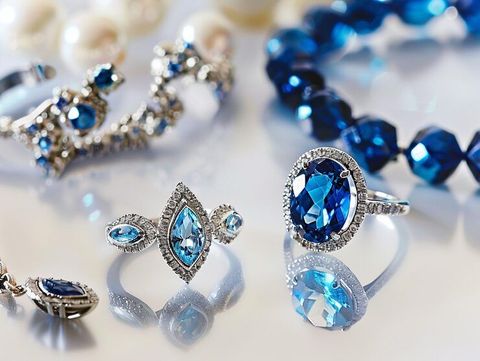
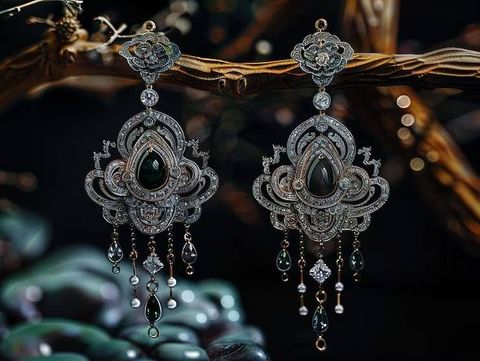
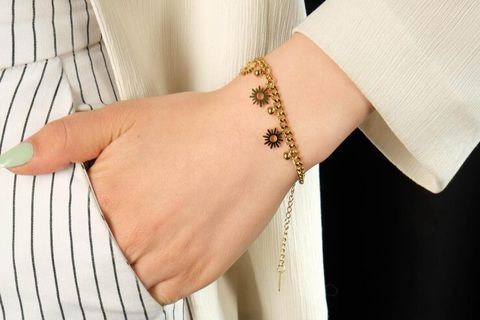
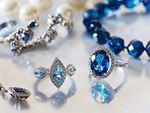
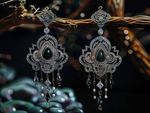
Gemstone jewelry combines colored stones, precious metals, decorative settings, and skilled craftsmanship to create rings, necklaces, earrings, bracelets, pendants, and other personal ornaments. Gemstones can be natural minerals, organic materials, laboratory-created stones, or treated materials, depending on the piece.
Their appearance can vary considerably according to color, transparency, crystal structure, cutting style, size, and surface finish.
The use of gemstones in jewelry has a long history across many cultures. Stones such as sapphire, ruby, emerald, diamond, amethyst, garnet, topaz, aquamarine, tourmaline, and opal have been used in decorative objects for centuries. Different societies have developed their own cutting methods, metalworking traditions, symbolic meanings, and jewelry styles.
Modern gemstone jewelry combines traditional craftsmanship with precision manufacturing and digital design. A finished piece may begin as a rough gemstone that is examined, cut, polished, and graded before being placed into a metal setting. The metal structure is then shaped to hold the stone securely while creating the intended visual design.
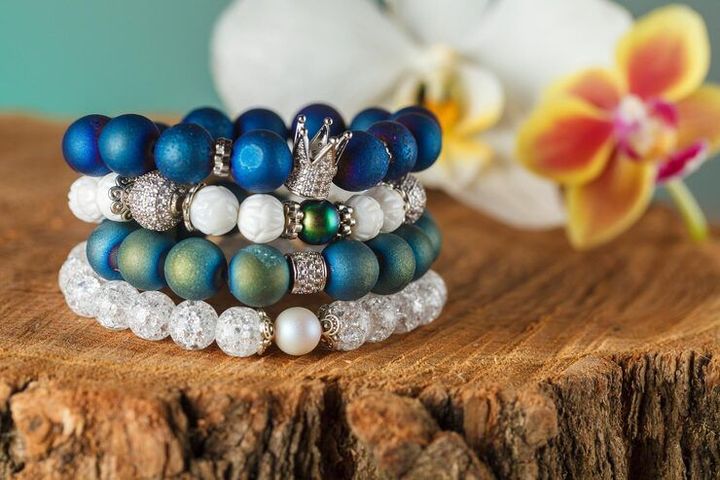
Gemstone jewelry can be simple or highly detailed. A single-stone pendant may emphasize the characteristics of one gemstone, while a multi-stone bracelet or necklace can combine several colors, shapes, and sizes. The design depends on the intended appearance, stone characteristics, metal selection, and construction method.
Types of Gemstones
Gemstones can be classified in several ways. Precious stones traditionally include diamond, ruby, sapphire, and emerald, while many other minerals are commonly described as colored gemstones.
Examples include:
Sapphire in blue and other recognized color varieties
Ruby in red varieties of corundum
Emerald in green varieties of beryl
Diamond in a range of natural and laboratory-created forms
Amethyst as a purple variety of quartz
Garnet in several mineral varieties and colors
Aquamarine as a blue to blue-green beryl
Tourmaline in numerous colors
Opal with distinctive optical effects
Topaz in several color varieties
The term used to describe a gemstone should accurately reflect its material identity and any treatments or manufacturing processes involved.
Gemstone Cutting
Cutting transforms a rough stone into a shaped and polished gemstone. The cutter considers the stone's natural structure, color distribution, clarity, inclusions, and potential shape before removing material.
Common gemstone shapes include round, oval, cushion, pear, emerald, marquise, princess, and cabochon forms. Faceted stones use multiple polished surfaces to influence the way light enters and exits the gemstone, while cabochons generally have smooth curved surfaces without traditional facets.
Importance
Gemstone jewelry is important because its appearance depends on several technical and artistic elements working together. Understanding gemstones, settings, and craftsmanship can help readers interpret jewelry descriptions and distinguish between different design characteristics.
The subject also connects geology, mineral identification, metalworking, gem cutting, manufacturing, cultural traditions, and design. Each stage can influence the appearance and physical structure of the finished piece.
Understanding Gemstone Characteristics
Several characteristics are commonly considered when examining a gemstone. Color is often one of the most noticeable because it includes hue, tone, and saturation. A stone's color may be natural or influenced by an accepted treatment process.
Clarity describes the presence and visibility of internal characteristics and surface features. Some gemstones naturally contain inclusions, and their visibility can vary according to the type of gemstone.
Durability is another important characteristic. It involves hardness, toughness, and stability. These properties are not identical, and a gemstone that is hard can still have characteristics that require careful handling.
The following table provides a general overview:
| Characteristic | Meaning | Why It Matters |
|---|---|---|
| Color | Hue, tone, and saturation | Influences visual appearance |
| Clarity | Internal and surface characteristics | Affects transparency and appearance |
| Hardness | Resistance to scratching | Relevant to everyday wear |
| Toughness | Resistance to breaking or chipping | Important for setting and handling |
| Transparency | How light passes through the stone | Influences visual character |
| Cut | Shape and facet arrangement | Affects light interaction |
| Treatment | Processes applied to a stone | Can change appearance or durability |
Jewelry Settings
A gemstone setting is the structure that holds a stone in place. Different settings provide different levels of visibility and protection.
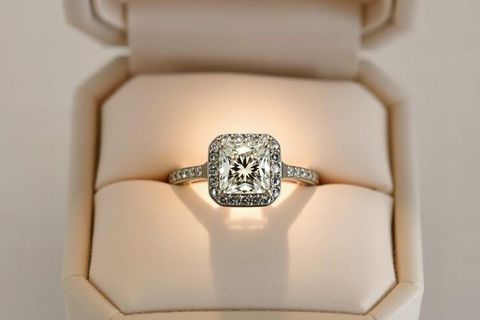
Prong settings use small metal supports positioned around the gemstone. Bezel settings surround part or all of the stone with metal. Channel settings place multiple stones within a continuous metal channel, while pavé settings position small gemstones closely together across a metal surface.
Other approaches include tension-style structures, halo arrangements, cluster settings, and flush settings. The appropriate construction depends on the gemstone's shape, size, durability, intended use, and overall design.
Craftsmanship and Metalwork
Jewelry craftsmanship involves several specialized processes. These can include metal forming, casting, soldering, stone setting, polishing, engraving, and finishing.
Gold, platinum, silver, and other jewelry metals can be shaped into different structures. Metal alloys are commonly used because combining metals can modify characteristics such as hardness, color, and workability.
Precision matters when setting gemstones. A setting that does not match the dimensions of a stone can affect its stability or appearance. Skilled finishing also helps produce consistent surfaces and transitions between gemstones and metal.
Recent Updates
From 2024 through 2026, gemstone jewelry has continued to combine traditional craftsmanship with digital design, laboratory-grown materials, improved identification techniques, and greater attention to gemstone documentation and origin information.
Digital Jewelry Design
Computer-aided design has become increasingly integrated into jewelry development. Designers can create three-dimensional models that show gemstone placement, metal thickness, setting structures, and proportions before physical production.
Digital modeling can also support customized designs. A designer can adjust dimensions, stone arrangements, and setting details within a digital environment before manufacturing begins.
Laboratory-Created Gemstones
Laboratory-created gemstones continue to appear across the jewelry market. Laboratory-grown diamonds are chemically and physically related to natural diamonds, while laboratory-created versions of some colored gemstones can have different production methods and characteristics.
Clear disclosure of material identity is important because natural, laboratory-created, synthetic, and imitation materials are not interchangeable terms. The applicable terminology depends on the gemstone and relevant jewelry standards.
Gemstone Identification
Gemstone identification has become increasingly supported by laboratory testing and advanced analytical equipment. Gem laboratories can examine characteristics such as optical behavior, inclusions, chemical composition, and evidence of treatment.
Documentation can provide information about a particular gemstone, but terminology and grading practices vary between laboratories and gemstone types. A report should therefore be read according to the issuing laboratory's definitions.
Responsible Sourcing
Gemstone sourcing has received continued attention regarding origin, environmental practices, labor conditions, and supply-chain documentation. Responsible sourcing can involve traceability systems, supplier records, origin information, and industry standards.
Requirements vary substantially among gemstone types and jurisdictions. Claims about origin or ethical sourcing need appropriate documentation rather than assumptions based only on appearance.
Laws or Policies
Gemstone jewelry is influenced by rules covering product descriptions, gemstone disclosure, precious-metal purity, consumer protection, import and export procedures, and trade documentation. The exact requirements differ among jurisdictions.
Gemstone Disclosure
Jewelry descriptions may need to distinguish natural gemstones from laboratory-created, synthetic, treated, or imitation materials. Treatments can include heating, irradiation, filling, dyeing, or other processes depending on the gemstone.
The terminology used in labeling should accurately describe the material and any relevant treatment. Misrepresenting a gemstone's identity, characteristics, or origin can create regulatory and consumer-protection issues.
Precious-Metal Standards
Gold, silver, and platinum jewelry can be subject to fineness standards, hallmarking systems, or other identification requirements. A fineness mark can indicate the proportion of a particular precious metal in an alloy.
Requirements vary by country. Some jurisdictions require official hallmarking, while others use manufacturer or retailer markings under defined standards.
Trade and Origin Documentation
International gemstone trade can involve customs documentation and rules concerning specific minerals, precious metals, diamonds, and protected materials. Documentation may address origin, treatment, material type, or other characteristics.
Importers and exporters need to follow the requirements applicable to the countries involved. These rules can change according to trade policies and international agreements.
Tools and Resources
Several resources can help readers understand gemstone jewelry. Gemstone identification guides can explain mineral properties, colors, hardness, transparency, and common treatments. Measurement charts can help explain stone dimensions and jewelry proportions.
Digital design platforms are used by jewelry designers to create models of rings, pendants, earrings, bracelets, and gemstone settings. Gemstone calculators can also assist with conversions between millimeters, carats, and other measurements, although gemstone-specific relationships vary by material and shape.
Useful resources include:
Gemstone identification guides
Gemstone hardness references
Diamond and colored-stone grading reports
Jewelry measurement charts
Ring and bracelet sizing templates
Gemstone shape references
Metal purity charts
Computer-aided jewelry design platforms
Digital gemstone visualization tools
Jewelry care instructions
Gemstone treatment references
Inventory documentation systems
Selecting a Setting Type
The setting should correspond to the gemstone and intended use. A softer or more vulnerable stone may require a structure that provides additional protection, while a durable gemstone may be used in a more exposed design.
The table below summarizes common settings:
| Setting Type | Basic Structure | General Design Character |
|---|---|---|
| Prong | Small metal supports hold the stone | Exposes more of the gemstone |
| Bezel | Metal surrounds the stone | Provides substantial edge coverage |
| Channel | Stones sit within a metal channel | Creates a continuous arrangement |
| Pavé | Small stones are closely set | Creates a surface covered with gemstones |
| Halo | Smaller stones surround a center stone | Creates a layered arrangement |
| Flush | Stone sits within the metal surface | Produces a relatively smooth profile |
Jewelry Care
Care requirements depend on the gemstone and metal. Hardness alone does not determine whether a piece can tolerate every cleaning method. Heat, chemicals, sudden temperature changes, ultrasonic equipment, and physical impacts can affect certain gemstones or treatments.
Routine inspection can help identify loose settings, damaged clasps, worn metal, or surface changes. Storage should also prevent individual pieces from rubbing against harder materials that may cause scratches.
FAQs
What is gemstone jewelry?
Gemstone jewelry consists of decorative pieces incorporating natural, laboratory-created, synthetic, or imitation gemstones within metal or other jewelry structures. Common forms include rings, earrings, bracelets, necklaces, and pendants.
Which precious stones are commonly used in gemstone jewelry?
Diamond, ruby, sapphire, and emerald are traditionally recognized as precious stones. Many other colored gemstones, including amethyst, garnet, aquamarine, tourmaline, opal, and topaz, are also widely used in jewelry.
What gemstone settings are commonly used?
Common gemstone settings include prong, bezel, channel, pavé, halo, and flush settings. The appropriate structure depends on the stone's shape, durability, dimensions, design, and intended use.
How can gemstone characteristics be identified?
Characteristics such as color, clarity, hardness, transparency, cut, and treatment can be examined through visual inspection and, when necessary, laboratory testing. Professional gemstone reports can provide additional identification information for particular stones.
How does craftsmanship affect gemstone jewelry?
Craftsmanship influences the accuracy of gemstone placement, metal shaping, setting security, surface finishing, and overall construction. Jewelry can involve multiple stages, including design, casting or fabrication, stone setting, polishing, and final inspection.
Conclusion
Gemstone jewelry combines gemstones, precious metals, settings, and craftsmanship into a wide range of decorative designs. Understanding characteristics such as color, clarity, hardness, transparency, cut, and treatment provides useful context when examining different stones. Recent developments include digital jewelry design, laboratory-created materials, improved identification methods, and greater attention to sourcing documentation. Jewelry labeling, gemstone disclosure, metal standards, and trade requirements vary according to the materials and jurisdictions involved.