Gold Bracelet Design Information on Classic, Modern, and Artistic Patterns
Gold bracelet design combines metalworking, jewelry construction, decorative patterns, and cultural influences to create wearable pieces for the wrist. Gold has been used in ornamental objects for thousands of years because of its distinctive color, resistance to corrosion, workability, and ability to be shaped into detailed forms.
Across different regions and historical periods, gold bracelets have developed into many styles, from simple bands to elaborate artistic structures.
A gold bracelet can be made from different gold alloys and may contain gemstones, enamel, engraved surfaces, chains, links, or sculptural elements. The design is influenced by the intended appearance, metal purity, construction technique, bracelet dimensions, and decorative approach.
Classic gold bracelet patterns often use repeated links, smooth surfaces, chains, or symmetrical arrangements. Modern designs may use geometric shapes, mixed textures, open structures, and combinations of different gold colors. Artistic patterns can incorporate nature-inspired forms, cultural motifs, hand engraving, sculptural elements, or unusual proportions.
The construction of a bracelet involves several stages. Gold may be cast, rolled, forged, stamped, formed, soldered, engraved, polished, or assembled into individual links. Some designs are produced primarily through traditional handcrafting, while others combine digital modeling with precision manufacturing.
Main Gold Bracelet Styles
Gold bracelets can be grouped into several broad design categories:
Chain bracelets made from interconnected links
Bangle bracelets formed as rigid or semi-rigid structures
Cuff bracelets with wider open or closed surfaces
Link bracelets using repeated geometric components
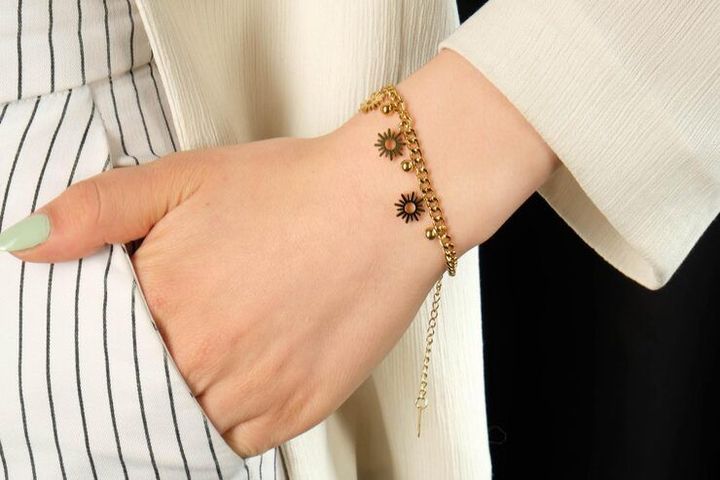
Charm bracelets designed to accommodate decorative attachments
Crossover bracelets using overlapping bands
Sculptural bracelets featuring three-dimensional forms
Gemstone bracelets combining gold with colored or transparent stones
These categories can overlap. A bracelet may combine chain construction with artistic elements or use a rigid cuff structure with engraved patterns.
Gold Purity and Alloy Composition
Jewelry gold is commonly mixed with other metals to create an alloy with particular physical and visual characteristics. Pure gold is relatively soft, so alloys can change hardness, color, and workability.
Common gold purity descriptions include 24-karat, 22-karat, 18-karat, and 14-karat gold. The actual standards and permitted markings vary by jurisdiction. Gold alloys may also appear in yellow, white, or rose colors depending on the metals combined with gold.
Importance
Gold bracelet design is important because the appearance and construction of a bracelet depend on more than its visible color. Metal purity, alloy composition, dimensions, link structure, surface treatment, clasp construction, and decorative techniques all contribute to the finished piece.
Understanding these elements can help readers interpret jewelry descriptions and recognize differences between traditional, contemporary, and artistic patterns.
Classic Gold Bracelet Patterns
Classic designs generally emphasize symmetry, repeated elements, and recognizable jewelry structures. Chain bracelets can use curb, rope, box, figaro, or other link arrangements, each producing a different visual rhythm.
Bangles provide another traditional form. They can have smooth circular surfaces, engraved decoration, textured finishes, or gemstone details. Some are rigid, while others contain hinges or clasps to make them easier to put on and remove.
Cuff bracelets generally use a wider band that covers more of the wrist. Their surfaces may be polished, brushed, hammered, engraved, or decorated with repeated motifs.
Modern Gold Bracelet Patterns
Modern gold bracelet design often uses geometric forms and simplified structures. Designers may combine narrow and wide sections, negative space, asymmetry, interlocking components, or multiple gold colors.
Some contemporary patterns use polished and textured surfaces together. This creates differences in how light reflects from different sections of the bracelet without requiring additional gemstones.
Modern designs can also combine gold with materials such as ceramic, enamel, leather, or other metals. The combination changes the visual character and may also affect the construction requirements.
Artistic Gold Bracelet Patterns
Artistic bracelet designs often treat the jewelry piece as a three-dimensional object. Nature-inspired patterns may include leaves, flowers, waves, branches, animals, or abstract organic shapes.
Hand engraving can create lines, symbols, geometric details, or decorative scenes across a gold surface. Repoussé and related metal-forming techniques can produce raised patterns by shaping metal from different sides.
Artistic designs may also draw from architectural forms, historical motifs, regional traditions, or contemporary sculpture. The final structure depends heavily on the designer's concept and the metalworking techniques used.
Recent Updates
From 2024 through 2026, gold bracelet design has continued to combine traditional craftsmanship with digital modeling, customization, mixed-metal construction, and varied surface finishes. The broader jewelry design landscape has also included renewed interest in recognizable classic patterns alongside contemporary forms.
Digital Design and Manufacturing
Computer-aided design allows jewelry designers to create three-dimensional bracelet models before production. Digital models can show link dimensions, bracelet curvature, clasp structures, gemstone positions, and decorative details.
Three-dimensional printing can also be used to produce patterns, molds, or prototypes for certain manufacturing processes. Digital techniques do not replace traditional craftsmanship in every application, but they can be integrated into production workflows.
Mixed Gold Colors
Yellow, white, and rose gold can be combined within one bracelet. Designers may use contrasting colors to separate links, create geometric patterns, or emphasize specific sections.
Mixed-metal arrangements can also combine gold with other metals. The choice depends on the desired visual effect, material properties, and construction method.
Texture and Surface Finishes
Surface treatment remains an important part of modern gold bracelet design. A single bracelet can incorporate polished, brushed, hammered, satin, matte, or engraved areas.
Polished surfaces reflect light strongly, while textured surfaces scatter light differently. Combining these finishes can create visual contrast without changing the overall shape of the bracelet.
Custom Dimensions
Digital measurement and modeling tools have made it easier to create bracelets around specific wrist dimensions. Designers can adjust link sizes, bracelet width, curvature, clasp placement, and decorative proportions.
Customization can also involve engraving, gemstone arrangements, initials, symbols, or specific surface patterns. The technical feasibility depends on the design and manufacturing process.
Laws or Policies
Gold bracelet production and trade are influenced by rules covering precious-metal purity, hallmarking, product descriptions, consumer protection, gemstone disclosure, and international trade. Specific requirements vary according to jurisdiction.
Gold Purity and Hallmarking
Many jurisdictions have systems for identifying the purity or fineness of precious-metal jewelry. A hallmark or fineness mark can provide information about the metal composition where such systems apply.
The meaning of markings varies by country. Some systems use numerical fineness marks, while others use additional symbols or official assay marks. A jewelry marking should therefore be interpreted according to the applicable national standard.
Jewelry Descriptions
Descriptions of gold jewelry generally need to accurately represent the metal, purity, gemstone materials, treatments, and other relevant characteristics. Terms describing gold content can have defined meanings under applicable regulations.
If a bracelet contains gemstones, descriptions may also need to distinguish natural stones, laboratory-created materials, treated stones, and imitations where required.
Trade and Documentation
International movement of precious-metal jewelry can involve customs documentation, declarations, taxes, and trade requirements. Some gemstones and materials can also have additional controls based on their origin or classification.
Manufacturers, importers, exporters, and retailers need to follow the requirements applicable to the countries involved.
Tools and Resources
Several tools can help readers understand gold bracelet design and construction. Jewelry measurement guides can explain wrist circumference, bracelet length, width, and fit. Gold purity charts can help explain the relationship between karat descriptions and fineness.
Digital jewelry design platforms can be used to create three-dimensional bracelet models. These platforms may allow designers to test link proportions, surface details, gemstone placement, and clasp structures before production.
Useful resources include:
Gold purity reference charts
Jewelry measurement guides
Bracelet sizing templates
Computer-aided jewelry design software
Three-dimensional modeling platforms
Gemstone identification references
Metalworking technique guides
Hallmark reference materials
Jewelry care instructions
Engraving pattern libraries
Jewelry construction diagrams
A simplified comparison of common bracelet patterns is shown below:
| Bracelet Pattern | Main Structure | Common Design Character |
|---|---|---|
| Chain Bracelet | Connected links | Flexible and repetitive |
| Bangle | Rigid circular form | Simple or decorative |
| Cuff | Wide band | Broad surface area |
| Link Bracelet | Repeated sections | Structured and articulated |
| Crossover Bracelet | Overlapping bands | Intersecting appearance |
| Sculptural Bracelet | Three-dimensional form | Artistic and dimensional |
| Gemstone Bracelet | Gold with stones | Decorative contrast |
Craftsmanship Techniques
Different techniques create different visual results. Casting allows complex shapes to be reproduced from a prepared model, while forging and forming can shape metal through controlled pressure.
Soldering or other joining techniques connect separate components. Engraving removes small amounts of metal to create lines or patterns, while texturing techniques modify the surface to change its appearance.
Polishing is generally used to create a smoother reflective surface. Brushing and other finishing techniques can create more subdued textures. A bracelet may combine several techniques within one design.
Bracelet Structure and Fit
Bracelet dimensions affect both appearance and movement. A narrow bracelet may have small links and a lightweight visual structure, while a wider cuff creates a stronger presence around the wrist.
Flexible bracelets require carefully aligned links and reliable connecting elements. Rigid bracelets depend more heavily on their overall shape and internal dimensions.
Clasps are also important structural components. Common mechanisms include lobster-style clasps, box clasps, spring mechanisms, magnetic structures, and hinged closures. The appropriate mechanism depends on the bracelet's construction and intended use.
FAQs
What are the main types of gold bracelet design?
Common types include chain bracelets, bangles, cuffs, link bracelets, crossover designs, charm bracelets, gemstone bracelets, and sculptural patterns. Each uses different structures and decorative approaches.
How do classic and modern gold bracelet patterns differ?
Classic gold bracelet patterns often use repeated links, symmetrical forms, smooth surfaces, or established jewelry structures. Modern patterns may use geometric shapes, asymmetry, mixed metals, open spaces, and contrasting textures.
What makes an artistic gold bracelet design different?
Artistic gold bracelet designs often emphasize unusual shapes, three-dimensional structures, engraved motifs, nature-inspired forms, or sculptural details. The design may focus more strongly on visual expression than on a conventional bracelet pattern.
What do gold purity markings mean?
Gold purity markings indicate the proportion of gold in an alloy according to the applicable standard. Common descriptions include 24-karat, 22-karat, 18-karat, and 14-karat gold, although marking systems vary by jurisdiction.
Which tools are used to create gold bracelet designs?
Jewelry designers can use measurement guides, computer-aided design software, three-dimensional modeling tools, engraving references, metalworking equipment, and finishing techniques. The tools used depend on whether the bracelet is produced through handcrafting, digital manufacturing, or a combination of methods.
Conclusion
Gold bracelet design includes classic chains and bangles, modern geometric structures, and artistic patterns influenced by nature, architecture, and cultural traditions. Metal purity, alloy composition, construction techniques, surface finishes, clasp structures, and bracelet dimensions all influence the finished piece. Recent design practices combine traditional metalworking with digital modeling, customization, mixed colors, and varied textures. Jewelry markings and precious-metal requirements depend on the applicable jurisdiction and its standards.