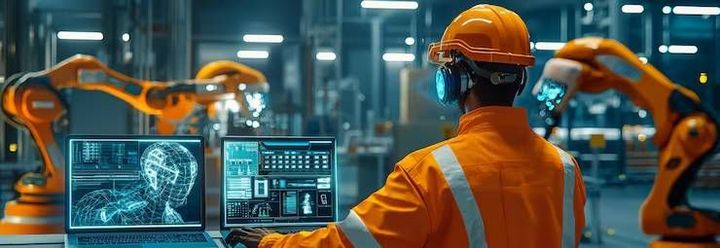
Industrial Automation Software Guide: Systems, Functions, Integration Methods and Industrial Applications
Industrial automation software helps factories and industrial facilities monitor equipment, control production processes, collect operational data, and coordinate machines. It connects programmable controllers, sensors, industrial robots, production equipment, and computer systems so that industrial operations can run according to defined instructions. Industrial automation software developed alongside advances in electrical control systems, computing, and industrial communication technologies.
Context
Industrial automation software helps factories and industrial facilities monitor equipment, control production processes, collect operational data, and coordinate machines. It connects programmable controllers, sensors, industrial robots, production equipment, and computer systems so that industrial operations can run according to defined instructions. Industrial automation software developed alongside advances in electrical control systems, computing, and industrial communication technologies.
Early industrial automation relied heavily on mechanical controls, relays, and fixed electrical circuits. As programmable logic controllers (PLCs), industrial computers, and digital networks became more common, software made it possible to manage more complex processes and collect information from different stages of production.
Understanding Industrial Automation Software Systems
Industrial automation software includes several types of applications, each designed for a particular control or monitoring task.
Programmable logic controller (PLC) software: Creates and manages instructions for machines, production lines, and equipment sequences.
Supervisory control and data acquisition (SCADA): Monitors industrial processes, displays equipment conditions, and records operational information.
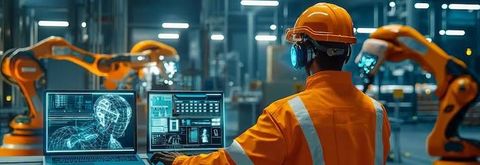
Human-machine interface (HMI) software: Provides screens through which operators view machine status, adjust permitted settings, and respond to alerts.
Manufacturing execution systems (MES): Coordinate production activities, work orders, quality records, and manufacturing progress.
Distributed control systems (DCS): Manage continuous or complex processes through coordinated control across multiple plant areas.
Industrial analytics software: Examines operational data to identify patterns, equipment problems, and opportunities to improve process performance.
These systems can work independently or connect through an industrial automation architecture. The appropriate arrangement depends on the process, equipment, safety requirements, and amount of information that needs to be exchanged.
Importance
Industrial automation software matters because modern manufacturing involves many connected activities, including material handling, machine operation, inspection, packaging, and inventory tracking. Coordinating these activities manually can make it difficult to maintain consistent production records and respond quickly to changing equipment conditions.
Automation software helps operators understand what is happening across a production process. It can display machine alarms, track operating conditions, record production quantities, and identify interruptions that require attention. However, its effectiveness depends on suitable equipment, accurate data, correct configuration, and trained personnel.
Main Functions of Industrial Automation Software
The functions of an automation system vary by industry, but several capabilities are common.
Process control: Executes programmed instructions to regulate machine movements, temperatures, pressure, flow, or other operating conditions.
Real-time monitoring: Displays equipment status and process measurements as information becomes available.
Alarm management: Notifies operators when readings, machine states, or process conditions require attention.
Data collection: Records production information, equipment events, and selected operating measurements.
Production coordination: Connects manufacturing schedules with machine activities and production records.
Quality tracking: Stores inspection results and identifies patterns associated with product defects.
Maintenance planning: Uses operating hours, fault records, or equipment measurements to support maintenance decisions.
Automation does not eliminate the need for human oversight. Operators and engineers remain responsible for interpreting alerts, checking unusual conditions, maintaining equipment, and ensuring that control systems operate within approved limits.
Industrial Applications
Industrial automation software is used in a variety of sectors. The exact systems and functions differ according to the materials processed and the risks associated with each operation.
| Industry | Common application | Typical software role |
|---|---|---|
| Automotive manufacturing | Assembly and robotic welding | Coordinates machine sequences and production data |
| Food processing | Mixing, filling, and packaging | Monitors process conditions and production stages |
| Pharmaceuticals | Batch production and process monitoring | Records process parameters and manufacturing history |
| Oil and gas | Pipeline and process monitoring | Displays operating measurements and alarms |
| Water treatment | Pumping and filtration | Monitors flow, levels, and equipment status |
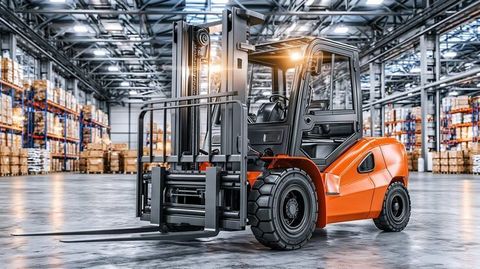
| Warehousing | Conveyors and automated handling | Coordinates material movement and equipment signals |
| Electronics | Assembly and inspection | Tracks machine operations and quality measurements |
The software used in a water treatment facility may prioritize continuous monitoring and process stability, while an automotive assembly line may require precise sequencing and coordination between robots and conveyors.
Recent Updates
Industrial automation software has increasingly incorporated connected equipment, cloud-based analysis, artificial intelligence, and improved industrial cybersecurity. Across 2024–2026, development has continued toward systems that combine local machine control with broader production data analysis. The pace of adoption varies according to industry, existing infrastructure, technical requirements, and organizational readiness.
Artificial Intelligence and Predictive Maintenance
Some industrial platforms now use machine-learning methods to analyze equipment measurements, vibration patterns, temperatures, energy consumption, and fault histories. These methods can help identify unusual operating patterns that may indicate developing equipment problems.
Predictive maintenance systems estimate when equipment may require inspection or maintenance based on available data. Their results depend on data quality, equipment characteristics, and the reliability of the analytical model. Predictions do not replace physical inspections or established maintenance and safety procedures.
Connected Factories and Digital Twins
Industrial Internet of Things (IIoT) technologies connect sensors, controllers, machines, and information systems. These connections help organizations collect data from different production areas and examine equipment performance across a facility.
Digital twin technology uses a digital representation of a physical machine, production line, or industrial process. Depending on its design, the model may use current operating data to examine performance, test scenarios, or support maintenance planning. Its usefulness depends on the accuracy of the model and the information supplied to it.
Cybersecurity and System Integration
As industrial networks become more connected, protecting control systems from unauthorized access and disruption has become an important concern. Current approaches include network segmentation, controlled remote access, software updates, access management, system backups, and continuous monitoring.
Manufacturers are also working to connect older equipment with newer digital platforms. Gateways, industrial protocols, and standardized data interfaces can help different systems exchange information, although compatibility and performance must be assessed before integration.
Laws or Policies
Industrial automation software is affected by machinery safety requirements, electrical standards, cybersecurity practices, environmental regulations, and sector-specific rules. Requirements depend on the country, industrial activity, equipment type, and consequences of a system failure.
Industrial Automation Regulations in India
In India, industrial facilities may need to comply with applicable occupational safety, factory, electrical, environmental, and machinery-related requirements. The relevant obligations depend on the facility, the type of equipment, the applicable legislation, and rules in force within the state or sector.
The Bureau of Indian Standards (BIS) publishes Indian Standards covering various technical and safety subjects. Certain standards may be voluntary, while others may become mandatory through applicable legislation, quality control orders, or other regulatory requirements. Industrial operators must determine which provisions apply to their equipment and processes.
Functional Safety and Cybersecurity
Industrial control systems can influence machinery movement, pressure, temperature, chemical processes, and other conditions that affect worker safety. Standards such as IEC 61508 address functional safety for electrical, electronic, and programmable electronic safety-related systems. IEC 62443 addresses cybersecurity for industrial automation and control systems.
These standards provide technical frameworks for designing, operating, and maintaining industrial systems. Their legal status depends on the relevant jurisdiction, contract, sector, and regulatory requirements.
Data, Environmental, and Operational Requirements
Some facilities must maintain production records, equipment inspection documentation, emissions measurements, or other records under applicable rules. Automation software can support recordkeeping and monitoring, but installing a software platform does not by itself establish regulatory compliance.
Industrial operators also need to consider data access, software licensing, change management, backup procedures, and incident response. These controls help maintain system reliability and provide traceability when equipment settings or production processes change.
Tools and Resources
Several software platforms and technical resources help organizations understand, configure, monitor, and maintain industrial automation systems. Their suitability depends on existing equipment, required functions, integration needs, and the technical skills available to the organization.
Automation Software Platforms
Examples of industrial automation platforms include Siemens TIA Portal, Rockwell Automation Studio 5000, Schneider Electric EcoStruxure, and CODESYS. These platforms support different combinations of controller programming, configuration, visualization, and engineering tasks.
SCADA and monitoring platforms can provide process displays, alarm histories, and operational records. MES platforms focus more on manufacturing execution, production tracking, and coordination between factory operations and business systems. Features vary by product and installation.
Standards and Technical Documentation
The following resources help explain industrial automation technologies and their requirements:
Bureau of Indian Standards: Indian technical standards and information about applicable standardization activities.
International Electrotechnical Commission (IEC): Standards relating to electrical technology, industrial control, and functional safety.
International Society of Automation (ISA): Technical information and standards concerning automation, control, and industrial cybersecurity.
National Institute of Standards and Technology (NIST): Publications on operational technology security and risk management.
Manufacturer documentation: Programming references, compatibility details, configuration instructions, and maintenance information for specific equipment.
Planning an Automation Integration
A structured integration plan generally identifies the equipment to be connected, the information each system needs to exchange, and the controls required to protect production operations. Engineers also assess communication protocols, network capacity, response times, access permissions, and backup arrangements.
Testing should cover normal operation, fault conditions, recovery procedures, and interactions between connected systems. Changes to live industrial equipment may affect safety or production, so implementation requires appropriate technical review and controlled procedures.
FAQs
What is industrial automation software used for?
Industrial automation software controls machines, monitors production processes, collects equipment data, and coordinates manufacturing activities. Its functions depend on the system and industrial application.
What are the main types of industrial automation software?
Common types include PLC programming software, SCADA, HMI, MES, distributed control systems, and industrial analytics platforms. Each supports different control, monitoring, or production-management requirements.
How does industrial automation software integration work?
Integration connects controllers, machines, monitoring platforms, and production systems through compatible communication protocols and interfaces. The design must account for data accuracy, response times, cybersecurity, and operational safety.
How is AI used in industrial automation systems?
AI can analyze equipment data, detect unusual patterns, support quality inspection, and assist maintenance planning. Results depend on the quality of the data, the model, and human review.
Which standards apply to industrial automation software in India?
Applicable requirements may include relevant Indian Standards, machinery and electrical safety rules, and sector-specific regulations. IEC 61508 and IEC 62443 may also be relevant to functional safety and industrial cybersecurity, depending on the application.
Conclusion
Industrial automation software connects machines, control systems, monitoring tools, and production records across industrial operations. PLCs, SCADA, HMI, MES, and analytical platforms support different functions, from equipment control to manufacturing coordination. Developments in AI, connected equipment, and cybersecurity are expanding the ways industrial data can be used. Safe and effective implementation depends on suitable system integration, reliable information, trained personnel, and compliance with applicable requirements.