Industrial Chemical Manufacturing Guide: Processes, Equipment, Raw Materials and Applications
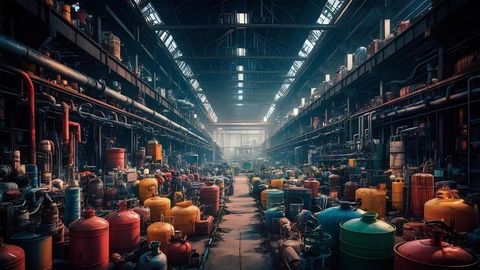
Industrial chemical manufacturing is the process of producing chemical substances and compounds on a large scale for use in industries, agriculture, construction, healthcare, electronics, and everyday consumer products. It involves transforming raw materials through controlled chemical reactions, physical separation, mixing, heating, cooling, and purification.
Context
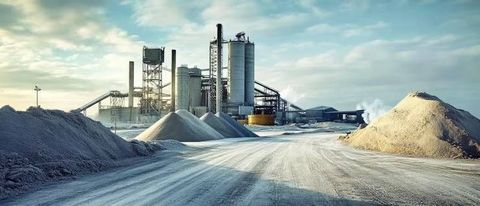
Industrial chemical manufacturing is the process of producing chemical substances and compounds on a large scale for use in industries, agriculture, construction, healthcare, electronics, and everyday consumer products. It involves transforming raw materials through controlled chemical reactions, physical separation, mixing, heating, cooling, and purification. The industrial chemical manufacturing sector developed alongside modern industrialization, when growing demand for materials, fertilizers, fuels, and manufactured products required chemical production beyond small laboratory operations.
Today, chemical manufacturing facilities use specialized equipment, automated production systems, and quality-control procedures to produce materials with consistent properties. Products range from basic industrial chemicals, such as acids and alkalis, to specialty chemicals used in coatings, adhesives, cleaning formulations, water treatment, and electronic components.
Main Categories of Industrial Chemicals
Industrial chemicals are generally classified according to their composition, production volume, and intended applications.
Basic chemicals: Large-volume substances such as sulfuric acid, sodium hydroxide, chlorine, and ammonia, which act as inputs for other manufacturing processes.
Specialty chemicals: Formulated substances designed for particular applications, including industrial coatings, adhesives, catalysts, and electronic materials.
Petrochemicals: Chemical compounds produced from petroleum and natural gas feedstocks, including ethylene, propylene, and aromatic compounds.
Agrochemicals: Chemical materials used in agricultural applications, including fertilizers and crop-protection formulations.
Inorganic chemicals: Substances based on inorganic compounds, including industrial salts, mineral acids, and metal oxides.
Organic chemicals: Carbon-containing compounds used in plastics, synthetic materials, solvents, and chemical intermediates.
Each category involves different raw materials, processing conditions, equipment, and safety requirements.
How Industrial Chemical Manufacturing Works
Chemical manufacturing generally follows a sequence of connected operations. Raw materials enter a production facility, undergo preparation and processing, and are converted into the required chemical products.
A typical manufacturing sequence includes:
Raw material preparation and inspection.
Measuring and feeding ingredients into production equipment.
Chemical reactions or physical processing.
Separation and purification of the resulting materials.
Product testing and quality verification.
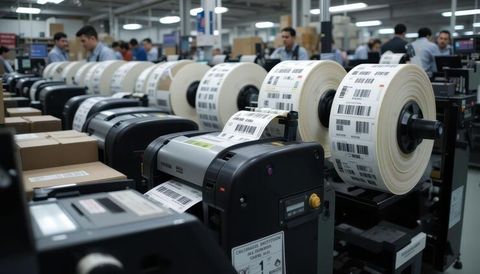
Packaging, storage, and distribution.
The exact sequence depends on the chemical composition, production method, and intended application.
Importance
Industrial chemical manufacturing supports many activities that are essential to modern economies. Chemicals are used in water treatment, agricultural production, construction materials, textile processing, automotive manufacturing, food packaging, electronics, and energy systems.
For example, fertilizers contribute to agricultural nutrient management, while polymers are used in pipes, insulation, packaging, and vehicle components. Industrial cleaning compounds support equipment maintenance, and specialty chemicals are used in protective coatings and electronic manufacturing.
Major Applications Across Industries
Chemical products are connected to several important industrial sectors:
Agriculture: Fertilizers and other agricultural formulations support soil nutrient management and crop production.
Construction: Chemical additives, sealants, protective coatings, and insulation materials are used in buildings and infrastructure.
Automotive: Lubricants, polymers, paints, adhesives, and battery materials are incorporated into vehicle manufacturing.
Water treatment: Chemicals are used in coagulation, disinfection, pH adjustment, and other water-treatment processes.
Electronics: High-purity chemicals support semiconductor production, circuit-board processing, and specialized cleaning operations.
Textiles: Dyes, finishing agents, and processing chemicals are used to modify fabric appearance and performance.
Challenges in Chemical Production
Industrial chemical production involves technical and environmental challenges. Manufacturers must maintain consistent product quality while controlling reaction conditions, managing energy consumption, and handling potentially hazardous materials.
Common challenges include:
Maintaining accurate temperature, pressure, and chemical concentrations.
Managing raw material quality and supply-chain interruptions.
Preventing equipment corrosion, leaks, and mechanical failures.
Controlling emissions, wastewater, and industrial waste.
Protecting workers through suitable training and safety procedures.
Meeting environmental and chemical-handling regulations.
These factors influence production planning, equipment selection, facility design, and operational monitoring.
Common Industrial Chemical Manufacturing Equipment
| Equipment | Main function | Typical application |
|---|---|---|
| Chemical reactors | Carry out controlled chemical reactions | Chemical synthesis |
| Mixing tanks | Combine liquids, powders, or ingredients | Formulation production |
| Heat exchangers | Transfer heat between process streams | Heating and cooling |
| Distillation columns | Separate substances using boiling-point differences | Solvent purification |
| Industrial pumps | Move liquids through process systems | Chemical transfer |
| Filtration systems | Remove suspended particles | Product purification |
| Storage tanks | Hold raw materials and finished chemicals | Material storage |
| Dryers | Remove moisture from materials | Powder production |
Equipment selection depends on chemical properties, operating pressure, temperature, material compatibility, and required production capacity.
Recent Updates
Industrial chemical manufacturing is evolving through automation, digital monitoring, energy-efficiency improvements, and research into lower-emission production methods. Developments from 2024 through 2026 reflect broader efforts to improve process control, reduce material waste, and adapt manufacturing facilities to changing environmental requirements.
Automation and Digital Manufacturing
Modern chemical plants increasingly use distributed control systems, programmable logic controllers, industrial sensors, and automated monitoring equipment. These technologies help operators observe temperature, pressure, flow rates, tank levels, and other process conditions.
Artificial intelligence and predictive maintenance tools are also being explored in chemical manufacturing. Data from equipment can help identify unusual operating patterns, monitor machinery conditions, and support maintenance planning. However, automated systems still require suitable validation, human oversight, and established safety procedures.
Sustainable Chemical Production
Environmental considerations are influencing research and investment across the chemical industry. Areas of development include:
Process efficiency: Improving reaction conditions to reduce energy and raw material requirements.
Chemical recycling: Developing processes that recover useful chemical components from certain waste materials.
Bio-based feedstocks: Investigating renewable biological materials as alternatives to selected fossil-based inputs.
Carbon management: Exploring carbon capture, utilization, and storage in appropriate industrial settings.
Water management: Improving wastewater treatment, water reuse, and monitoring systems.
These approaches have different technical limitations and levels of industrial adoption. Their suitability depends on the chemical process, available infrastructure, environmental requirements, and product specifications.
Advanced Equipment and Process Monitoring
Modern manufacturing facilities are incorporating improved reactor designs, corrosion-resistant materials, automated dosing systems, and advanced filtration technologies. Digital monitoring can provide operators with more detailed information about production conditions and equipment performance.
The adoption of these technologies varies according to facility size, chemical type, investment requirements, and existing infrastructure.
Laws or Policies
Industrial chemical manufacturing is regulated through rules covering factory operations, worker protection, environmental management, hazardous substances, transportation, and waste disposal. Requirements depend on the chemicals produced, their quantities, facility location, and potential risks.
Chemical Manufacturing Regulations in India
In India, several laws and regulatory frameworks are relevant to industrial chemical manufacturing.
Environment (Protection) Act, 1986: Provides a framework for environmental protection and the regulation of activities that may affect environmental quality.
Factories Act, 1948: Historically established requirements concerning factory health, safety, and working conditions. Its current applicability must be considered alongside India's labour-code implementation and relevant state provisions.
Manufacture, Storage and Import of Hazardous Chemical Rules, 1989: Establish requirements concerning specified hazardous chemicals, including identification, safety measures, and reporting.
Chemical Accidents (Emergency Planning, Preparedness and Response) Rules, 1996: Address emergency planning and responses to chemical accidents.
Water (Prevention and Control of Pollution) Act, 1974: Provides a framework for controlling water pollution.
Air (Prevention and Control of Pollution) Act, 1981: Addresses the prevention and control of air pollution.
Industrial facilities may also require environmental clearances, pollution-control permissions, factory-related approvals, and other authorizations depending on their operations.
Safety and Environmental Responsibilities
Chemical manufacturers must consider the safe handling, labeling, storage, and transportation of materials. Safety data sheets provide information about chemical hazards, handling precautions, storage conditions, and emergency measures.
Environmental compliance may involve monitoring air emissions, wastewater quality, hazardous waste management, and disposal procedures. The Central Pollution Control Board and relevant State Pollution Control Boards play important roles in environmental monitoring and regulatory implementation.
The applicable requirements should be assessed according to the facility's activities and the current rules in force.
Tools and Resources
Industrial chemical manufacturing uses a combination of engineering software, process-monitoring platforms, technical databases, and regulatory information resources.
Chemical Process Design and Simulation
Process simulation software helps engineers model chemical production systems before implementing changes in an operating facility. Examples include Aspen Plus, Aspen HYSYS, and CHEMCAD.
These platforms can be used to study material balances, energy requirements, separation processes, reactor behavior, and process flows. Results depend on the quality of input data and the assumptions used in each simulation.
Equipment Monitoring and Process Control
Industrial control platforms monitor production equipment and operating conditions. Common technologies include:
SCADA systems: Provide supervisory monitoring and control of industrial processes.
Distributed Control Systems: Coordinate operations across complex manufacturing facilities.
Programmable Logic Controllers: Control specific machines and automated production sequences.
Predictive maintenance software: Uses equipment data to support maintenance planning.
Laboratory Information Management Systems: Organize laboratory testing data and sample records.
These systems help coordinate manufacturing activities and maintain process records.
Chemical Safety and Technical Resources
The following resources provide technical and regulatory information:
Central Pollution Control Board (CPCB): Environmental standards, guidance, and pollution-control information.
Ministry of Environment, Forest and Climate Change (MoEFCC): Environmental policies, notifications, and regulatory information.
Bureau of Indian Standards (BIS): Indian standards relevant to materials, products, and industrial processes.
PubChem: Chemical information, molecular properties, and substance identification.
International Labour Organization (ILO): Occupational safety and chemical hazard information.
Technical documentation, equipment manuals, safety data sheets, and laboratory testing procedures are also important resources for industrial operations.
FAQs
What is industrial chemical manufacturing?
Industrial chemical manufacturing is the large-scale production of chemical substances through controlled reactions and processing methods. It includes the production of basic chemicals, specialty chemicals, petrochemicals, and industrial formulations.
What raw materials are used in chemical manufacturing?
Common raw materials include petroleum derivatives, natural gas, minerals, salts, water, air, and biological feedstocks. The materials used depend on the chemical product and its manufacturing process.
What equipment is used in industrial chemical manufacturing?
Common equipment includes chemical reactors, mixing tanks, heat exchangers, distillation columns, pumps, filtration systems, dryers, and storage tanks. Equipment selection depends on the required process conditions and chemical properties.
What are the main processes in industrial chemical production?
Major processes include mixing, chemical reactions, heating, cooling, distillation, filtration, crystallization, drying, and purification. Not every manufacturing facility uses all these operations.
Which regulations apply to chemical manufacturing in India?
Relevant regulations include the Environment (Protection) Act, hazardous chemical rules, pollution-control laws, and applicable factory and occupational safety requirements. Specific obligations depend on the facility, chemicals, and activities involved.
Conclusion
Industrial chemical manufacturing transforms raw materials into products used across agriculture, construction, electronics, automotive production, and other sectors. Its operations depend on controlled chemical processes, specialized equipment, quality testing, and appropriate safety measures. Automation, digital monitoring, and environmental management are influencing the industry's development. Regulatory compliance and responsible material handling remain important parts of chemical production.

You May Also Like