Industrial Cleaning Services: A Complete Guide to Professional Facility Cleaning
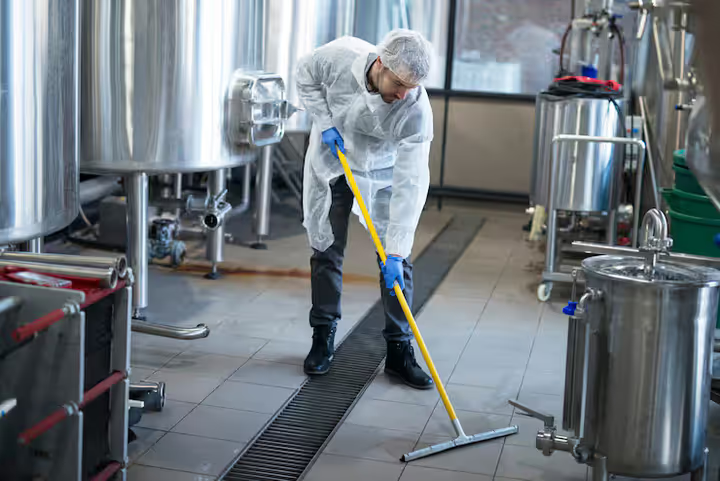
Industrial cleaning services are specialized cleaning solutions designed for factories, warehouses, manufacturing plants, workshops, processing facilities, commercial buildings, and other large-scale work environments. Unlike routine household or office cleaning, industrial cleaning often involves larger spaces, specialized equipment, production areas, high-traffic zones, and materials that require specific handling procedures.
A well-planned industrial cleaning program can support workplace hygiene, equipment maintenance, operational efficiency, and a safer working environment. Businesses may use in-house teams, professional cleaning companies, or a combination of both depending on their facility, schedule, and cleaning requirements.
What Are Industrial Cleaning Services?
Industrial cleaning services include a range of professional cleaning and maintenance activities performed in industrial and commercial environments. The exact services vary according to the type of facility, industry, equipment, and applicable safety requirements.
Professional industrial cleaners may work in manufacturing plants, warehouses, distribution centers, food-processing facilities, construction sites, power facilities, laboratories, and other specialized environments.
Common Industrial Cleaning Activities
Depending on the facility, industrial cleaning may include:
- Floor and surface cleaning
- Machine and equipment cleaning
- Warehouse cleaning
- Factory floor cleaning
- Dust and debris removal
- High-level cleaning
- Pressure washing
- Industrial vacuum cleaning
- Restroom and sanitation services
- Waste-area cleaning
- Production-area cleaning
- Spill cleanup
- Window and exterior cleaning
- Post-construction cleaning
- Scheduled deep cleaning
Some facilities may also require specialized cleaning procedures for production equipment or controlled environments.
Why Industrial Cleaning Is Important
Clean industrial facilities can provide several operational and workplace benefits. Accumulated dust, dirt, debris, oil, and other residues can interfere with normal operations or create additional maintenance challenges.
A structured cleaning program helps organizations identify areas that require regular attention and establish consistent procedures.
Supporting Workplace Safety
Good housekeeping is an important part of workplace safety. Keeping walkways, work areas, storage zones, and access routes clear can help reduce avoidable hazards.
Cleaning programs can address issues such as:
- Accumulated dust
- Slippery floors
- Blocked pathways
- Waste accumulation
- Poor sanitation
- Cluttered work areas
- Debris around machinery
Cleaning alone does not eliminate every workplace hazard, so businesses should combine cleaning procedures with appropriate safety training, inspections, and risk-management practices.
Protecting Equipment and Facilities
Industrial equipment can accumulate dust, dirt, grease, and other residues during normal operation. Regular cleaning may help organizations maintain equipment and identify visible problems earlier.
For example, cleaning personnel may notice unusual leaks, damaged surfaces, excessive buildup, or other conditions that should be reported to maintenance teams.
Cleaning should always follow the equipment manufacturer's instructions and applicable safety procedures.
Types of Industrial Cleaning Services
Industrial cleaning requirements differ significantly between industries. A manufacturing plant may require machinery and production-area cleaning, while a warehouse may focus more heavily on floors, storage areas, loading zones, and dust control.
Factory and Manufacturing Cleaning
Manufacturing facilities often contain machinery, production lines, storage areas, floors, and employee workspaces.
Factory cleaning services may include:
- Production floor cleaning
- Machine-area cleaning
- Dust removal
- Floor scrubbing
- Waste-area cleaning
- Break-room sanitation
- Restroom cleaning
- High-level dusting
Cleaning schedules can be adjusted around production activities to minimize disruption.
Warehouse Cleaning
Warehouses can accumulate dust, packaging materials, dirt, and debris due to continuous movement of products and vehicles.
Warehouse cleaning may include:
- Floor sweeping
- Industrial vacuuming
- Floor scrubbing
- Loading-area cleaning
- Storage-area cleaning
- High-level dust removal
- Restroom sanitation
- Waste collection
Regular cleaning can also make it easier for employees to identify obstructions and maintain organized work areas.
Food Processing Facility Cleaning
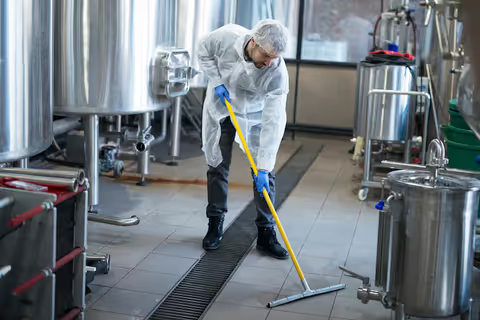
Food-processing environments require particularly careful sanitation procedures. Cleaning practices should be designed around the facility's food-safety system, equipment requirements, and applicable regulations.
Depending on the operation, cleaning can involve production surfaces, floors, drains, processing equipment, storage areas, and employee facilities.
Businesses should use appropriate cleaning chemicals, procedures, protective equipment, and documentation for their specific operation.
Construction and Post-Construction Cleaning
Construction projects can leave behind dust, packaging, building materials, and other debris.
Post-construction cleaning services may include:
- Construction debris removal
- Dust removal
- Floor cleaning
- Surface cleaning
- Window cleaning
- Restroom cleaning
- Final site preparation
The scope of cleaning depends on the project stage and the condition of the property.
Industrial Cleaning Equipment
Professional cleaning operations often use specialized equipment to efficiently clean large facilities.
Common Equipment
Examples include:
- Industrial vacuum cleaners
- Floor scrubbers
- Floor sweepers
- Pressure washers
- Steam cleaning equipment
- Carpet extraction machines
- High-reach dusting equipment
- Wet and dry vacuum systems
Equipment selection depends on the surface, type of contamination, facility layout, and cleaning requirements.
Choosing the Right Equipment
Businesses should consider several factors before selecting industrial cleaning equipment:
- Size of the facility
- Type of flooring
- Cleaning frequency
- Type of debris or residue
- Water and electricity availability
- Equipment operating requirements
- Employee training
- Maintenance requirements
- Workplace safety considerations
The cheapest equipment is not necessarily the most suitable option. Total operating costs, durability, maintenance, training, and productivity should also be considered.
Industrial Cleaning Chemicals and Safety
Cleaning chemicals can be useful for removing specific types of dirt, grease, stains, and contaminants. However, chemicals must be selected and used carefully.
Safe Chemical Handling
Organizations should follow product labels, Safety Data Sheets, manufacturer instructions, and applicable workplace regulations.
Important considerations include:
- Correct dilution
- Appropriate storage
- Proper labeling
- Required protective equipment
- Ventilation
- Employee training
- Safe transportation
- Correct disposal procedures
Cleaning chemicals should never be mixed unless the manufacturer specifically permits the combination. Certain chemical combinations can produce hazardous gases or reactions.
Professional Industrial Cleaning vs. In-House Cleaning
Businesses can manage cleaning internally or hire professional industrial cleaning companies.
In-House Cleaning
An internal cleaning team can provide direct control over schedules and procedures. It may be appropriate for organizations with predictable cleaning requirements and sufficient staff.
However, businesses must account for:
- Employee wages
- Training
- Cleaning equipment
- Cleaning supplies
- Equipment maintenance
- Safety procedures
- Staff scheduling
- Management time
Professional Cleaning Services
Professional industrial cleaning companies can provide trained personnel, specialized equipment, and scheduled cleaning programs.
This approach may be useful when a facility requires specialized cleaning, periodic deep cleaning, or additional staffing during certain periods.
Before hiring a provider, businesses should evaluate experience, insurance, safety procedures, training, service scope, pricing structure, and references where appropriate.
How to Choose an Industrial Cleaning Company
Selecting a cleaning provider should involve more than comparing prices.
Check Service Experience
Look for a provider with experience in environments similar to your facility. Cleaning requirements can differ substantially between warehouses, manufacturing plants, healthcare facilities, food-processing sites, and commercial properties.
Review Safety Practices
Ask how workers are trained and how the company manages workplace hazards, cleaning chemicals, protective equipment, and equipment operation.
Understand the Service Agreement
A written agreement should clearly explain:
- Cleaning frequency
- Areas covered
- Specific services
- Equipment responsibilities
- Supplies
- Working hours
- Additional services
- Pricing
- Cancellation terms
- Quality-control procedures
Clear documentation can help avoid misunderstandings later.
Compare Total Value
The lowest quote may not always provide the best overall value. Businesses should compare the scope of work, service frequency, equipment, staffing, quality controls, and additional fees.
Industrial Cleaning Cost Factors
The cost of industrial cleaning varies considerably between facilities. There is no single price that applies to every business.
Factors that can influence cleaning costs include:
Facility Size
Larger facilities generally require more labor, equipment, and cleaning time.
Cleaning Frequency
A facility cleaned daily may have different costs from one requiring weekly, monthly, or periodic deep cleaning.
Cleaning Requirements
Specialized services such as high-level cleaning, equipment cleaning, pressure washing, or post-construction cleaning can affect the overall cost.
Facility Operating Hours
Cleaning during nights, weekends, or production shutdowns may have different labor requirements.
Equipment and Supplies
Specialized industrial cleaning equipment and cleaning products can influence service pricing.
Businesses should request a detailed quotation that identifies what is included and whether additional charges may apply.
Industrial Cleaning and Facility Management
Industrial cleaning is often one component of broader facility management.
Facility management can include services such as:
- Building maintenance
- Cleaning and sanitation
- Security
- Energy management
- Waste management
- Grounds maintenance
- Preventive maintenance
- Workplace support services
Integrating cleaning with facility management can help organizations coordinate maintenance schedules and operational requirements.
Creating an Industrial Cleaning Schedule
A cleaning schedule should be based on the facility's actual needs rather than using the same frequency for every area.
Daily Cleaning
Daily tasks may include:
- Removing visible waste
- Cleaning high-traffic floors
- Sanitizing frequently touched surfaces
- Cleaning employee facilities
- Checking walkways and access areas
Weekly Cleaning
Weekly tasks may include deeper floor cleaning, less frequently used areas, storage areas, and additional surface cleaning.
Monthly or Periodic Cleaning
Periodic work may include high-level dust removal, equipment-area cleaning, pressure washing, detailed floor maintenance, and other specialized services.
The schedule should be reviewed regularly and adjusted when production activities, facility conditions, or operational requirements change.
Quality Control in Industrial Cleaning
Quality control helps businesses determine whether cleaning services are being performed according to agreed standards.
Useful quality-control methods can include:
- Cleaning checklists
- Inspection records
- Supervisor inspections
- Service reports
- Employee feedback
- Corrective-action procedures
- Scheduled performance reviews
For facilities with strict hygiene or sanitation requirements, organizations may also need more formal monitoring and documentation.
Environmental Considerations
Modern businesses are increasingly considering environmental factors when selecting cleaning services and supplies.
Responsible Cleaning Practices
Potential approaches include:
- Using products according to manufacturer instructions
- Avoiding unnecessary chemical use
- Using water efficiently
- Maintaining equipment properly
- Selecting suitable reusable materials
- Managing waste responsibly
- Choosing energy-efficient equipment where practical
Environmentally responsible cleaning should not compromise required hygiene, safety, or regulatory standards.
Frequently Asked Questions
What is industrial cleaning?
Industrial cleaning is professional cleaning performed in factories, warehouses, manufacturing plants, processing facilities, workshops, and other large or specialized environments.
How often should an industrial facility be cleaned?
Cleaning frequency depends on facility size, industry, production activity, traffic, contamination levels, safety requirements, and operational needs. Some areas may require daily cleaning while others need weekly or periodic service.
What equipment is used for industrial cleaning?
Common equipment includes industrial vacuum cleaners, floor scrubbers, sweepers, pressure washers, steam cleaners, and wet-and-dry vacuum systems.
Is industrial cleaning different from commercial cleaning?
Yes. Commercial cleaning generally covers offices, retail spaces, and other business properties, while industrial cleaning often involves larger facilities, production areas, machinery, specialized equipment, and more demanding cleaning conditions.
How can businesses reduce industrial cleaning costs?
Businesses can control costs by establishing appropriate cleaning frequencies, maintaining equipment, preventing excessive buildup, organizing work areas, comparing service agreements, and choosing cleaning methods suited to their facility.
Conclusion
Industrial cleaning services play an important role in maintaining factories, warehouses, manufacturing plants, and other commercial and industrial environments. A well-designed cleaning program can support workplace housekeeping, sanitation, equipment maintenance, and facility management.
Businesses should evaluate their facility's specific requirements before choosing cleaning methods, equipment, chemicals, schedules, or professional cleaning providers. Safety instructions, manufacturer recommendations, and applicable regulations should always take priority.
Whether cleaning is managed internally or through a professional industrial cleaning company, consistent procedures, appropriate equipment, trained personnel, and regular quality checks can help create a cleaner and better-organized working environment.