Fastener Exhibition: Industry Guide and Key Trends
A fastener exhibition is an industry event focused on products, technologies, manufacturing processes, and applications related to fastening systems. These events commonly cover bolts, nuts, screws, washers, rivets, threaded components, specialty fasteners, and fastening equipment used across manufacturing and engineering sectors.
Fastener exhibitions bring together manufacturers, engineers, distributors, researchers, and industry professionals. The main purpose is to provide information about developments in fastening technology and help attendees understand how fasteners are used in different industrial applications.
Why Fastener Exhibitions Matter
Fasteners are important components in automotive manufacturing, construction, aerospace, machinery, electronics, energy infrastructure, and general engineering. Their performance can influence structural stability, assembly quality, maintenance requirements, and product reliability.
An exhibition provides an opportunity to examine industry developments in one place. Visitors can learn about material selection, corrosion resistance, dimensional accuracy, surface treatments, testing methods, and modern manufacturing technologies.
Key Products Displayed at Fastener Exhibitions
Bolts and Nuts
Bolts and nuts are among the most widely used mechanical fastening components. Exhibitions may present standard and specialty designs intended for different mechanical loads, environmental conditions, and assembly requirements.
Screws and Threaded Fasteners
Screws are used in numerous industrial and commercial applications. Exhibitors may demonstrate different thread designs, materials, coatings, and head configurations designed for specific assembly requirements.
Washers and Rivets
Washers can help distribute loads and support fastening assemblies, while rivets are commonly used for permanent mechanical joining. Both are frequently included in industrial fastening exhibitions.
Fastener Manufacturing Technology
Modern fastener manufacturing can involve cold heading, thread rolling, machining, heat treatment, surface finishing, inspection, and automated quality control. Advanced production systems are designed to improve dimensional consistency and manufacturing efficiency.
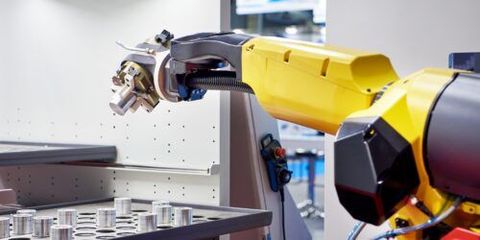
Automation and digital manufacturing are also becoming increasingly relevant. Automated inspection systems, precision machinery, and production monitoring technologies can help manufacturers maintain consistent product specifications.
Quality and Industry Standards
Quality standards are an important subject at fastener exhibitions because fasteners may be used in applications where mechanical performance and reliability are critical. Information may cover material grades, dimensional tolerances, mechanical properties, testing procedures, and applicable international standards.
Engineers and procurement professionals typically consider specifications carefully before selecting fastening components for a particular application.
Fastener Industry Trends
Advanced Materials
The development and use of stainless steel, alloy steel, titanium, and other engineering materials continue to support specialized fastening applications. Material selection depends on strength, temperature, corrosion resistance, weight, and environmental conditions.
Corrosion Protection
Surface treatments and protective coatings are important for fasteners exposed to moisture, chemicals, temperature variations, or outdoor environments. Exhibition displays often provide information about coating technologies and corrosion-resistance requirements.
Automation and Smart Manufacturing
Automation is increasingly connected with fastener production and inspection. Computer-controlled equipment, automated sorting, machine vision, and digital quality systems can support high-volume manufacturing and improve process monitoring.
What Visitors Can Learn
A fastener exhibition can provide useful technical information about fastening systems, manufacturing processes, quality standards, industrial automation, and application requirements. Visitors can also compare technical specifications and learn about emerging developments across the fastening industry.
For students, engineers, manufacturers, and other industry professionals, exhibitions can serve as educational environments for understanding how fastening technology supports modern manufacturing.
Conclusion
Fastener exhibitions provide an overview of the technologies, materials, manufacturing methods, and quality practices used in the fastening industry. As industrial manufacturing becomes more automated and specification-driven, understanding fastener technology can help professionals evaluate engineering requirements and follow developments in mechanical assembly.