voestalpine: Guide ,Steel, Technology and Industrial Solutions
voestalpine is an international steel and technology group headquartered in Linz, Austria. The company combines materials expertise with processing and manufacturing technologies to develop products and system solutions for several industrial sectors.
Its activities extend across areas such as automotive manufacturing, railway systems, aerospace, energy, construction, mechanical engineering, and tooling. The group operates through four main divisions: Steel, High Performance Metals, Metal Engineering, and Metal Forming.
According to its 2025/26 reporting, voestalpine had approximately 48,800 employees and around 500 group companies and locations across more than 50 countries. The group reported revenue of approximately €15.1 billion for the 2025/26 business year.
What Is voestalpine Known For?
voestalpine is particularly associated with advanced steel products, special steels, railway systems, metal forming, and industrial materials technology.
The company focuses on applications where material properties, manufacturing precision, durability, and engineering performance are important.
Key areas include:
- Steel products and advanced steel grades
- High-performance metals
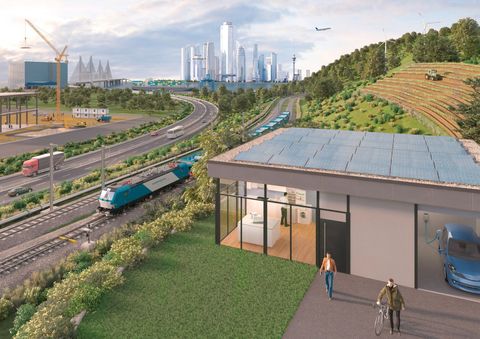
- Railway infrastructure and rail systems
- Tool steel and special materials
- Metal forming technologies
- Precision components
- Automotive applications
- Aerospace materials and components
- Energy-sector applications
- Mechanical engineering solutions
These activities place the company within several important industrial supply chains.
voestalpine Business Divisions
Steel Division
The Steel Division focuses on sophisticated steel products and applications that require specific mechanical and technological properties.
Steel products can be used in automotive manufacturing, energy infrastructure, mechanical engineering, and other industrial applications.
Important considerations in advanced steel production include:
- Material strength
- Surface quality
- Formability
- Weldability
- Corrosion resistance
- Dimensional accuracy
- Production efficiency
The development of advanced steel grades is increasingly important as manufacturers seek lighter structures, improved durability, and better resource efficiency.
High Performance Metals Division
The High Performance Metals Division focuses on specialty materials designed for demanding industrial applications.
High-performance metals can be important in tooling, engineering, energy, aerospace, and other environments where materials are exposed to heat, pressure, wear, or mechanical stress.
Material selection may involve factors such as:
- Hardness
- Toughness
- Wear resistance
- Temperature resistance
- Corrosion resistance
- Machinability
- Fatigue performance
These characteristics can influence the operating life and reliability of industrial components.
Metal Engineering Division
Metal Engineering covers technologies and products associated with railway systems, welding technology, and other engineered metal applications.
Railway infrastructure requires materials capable of handling repeated mechanical loads and demanding environmental conditions. Rail systems therefore depend on engineering considerations involving material quality, manufacturing precision, maintenance, and long-term performance.
Metal Forming Division
Metal Forming focuses on forming technologies and engineered components.
Metal forming processes can transform steel and other metals into precise shapes used in automotive, storage technology, construction, commercial vehicles, and other industries.
Common manufacturing considerations include:
- Precision
- Material utilization
- Production repeatability
- Structural performance
- Surface quality
- Process efficiency
Major Industries Served by voestalpine
voestalpine's product portfolio covers a broad range of industrial applications.
Automotive Industry
Advanced steel and formed metal components are widely used in vehicle manufacturing.
Material engineering can contribute to vehicle structures, body components, chassis applications, and other parts where strength and weight are important considerations.
Railway Industry
Railway systems are an important area for voestalpine.
Rail infrastructure requires carefully engineered materials and components because railway tracks and related systems operate under repeated mechanical loads and demanding environmental conditions.
Aerospace Industry
Aerospace manufacturing requires materials with strict performance characteristics.
Important material considerations can include:
- High strength-to-weight ratios
- Fatigue resistance
- Temperature performance
- Manufacturing precision
- Material consistency
Advanced materials and precision manufacturing therefore play an important role in aerospace engineering.
Energy Industry
Steel and specialty metals are also important for energy infrastructure.
Applications can include components associated with conventional and renewable energy systems, power infrastructure, and industrial equipment.
Construction and Mechanical Engineering
Steel products and engineered components are fundamental to construction and mechanical engineering.
Material specifications can vary according to structural requirements, environmental exposure, load conditions, manufacturing processes, and expected service life.
voestalpine Steel Technology and Innovation
Research and development is an important part of advanced materials manufacturing.
voestalpine reports that more than 700 employees work in research activities worldwide. Research areas include mobility, energy, resource efficiency, and the development of new products and production processes.
Industrial research can help manufacturers address several challenges, including:
- Higher material performance
- Lightweight engineering
- Manufacturing precision
- Resource efficiency
- Digital production
- Product durability
- Lower environmental impact
Innovation in steel technology is particularly relevant as industries seek materials that combine performance with improved resource efficiency.
Sustainable Steel Production
Steel production is energy intensive, making decarbonization an important issue for the global steel industry.
voestalpine's greentec steel program focuses on transforming steel production and reducing carbon emissions over the long term.
The company has stated a goal of achieving net-zero emissions by 2050. Its sustainability strategy also includes increasing the use of scrap material as part of its circular-economy approach.
The transition toward lower-emission steel production can involve technologies and strategies such as:
- Increased use of renewable electricity
- Greater scrap utilization
- Lower-carbon production processes
- Energy efficiency improvements
- Process optimization
- Hydrogen-related technologies
- Circular material flows
The specific environmental impact of steel production depends on the production technology, energy source, raw materials, and overall manufacturing process.
Why Advanced Steel Materials Matter
Steel remains one of the world's most important engineering materials because it offers a combination of strength, durability, manufacturability, and recyclability.
Advanced steel grades can help engineers address specific design requirements.
For example, high-strength materials may support lighter structural designs, while specialized grades can provide improved performance under demanding operating conditions.
Material engineering is therefore closely connected with:
- Industrial design
- Manufacturing engineering
- Structural engineering
- Automotive engineering
- Aerospace engineering
- Railway engineering
- Energy infrastructure
Understanding the voestalpine Product Portfolio
The company's product portfolio covers multiple industrial categories rather than a single type of steel.
Examples of product and technology areas include:
- Advanced steel
- Tool steel
- Special steel
- Railway systems
- Special sections
- Welding technology
- Precision components
- Metal forming
- Industrial materials
- Engineered systems
The appropriate material or product depends on the application, technical specification, manufacturing process, and operating environment.
Global Presence of voestalpine
voestalpine has an international operating structure, with companies and locations across more than 50 countries.
This geographic presence allows the group to participate in industrial markets across Europe, North America, South America, Asia, and other regions.
Its global footprint is particularly relevant for industries with international manufacturing and engineering supply chains.
Recent Business Information
For the 2025/26 business year, voestalpine reported approximately €15.1 billion in revenue and €1.5 billion in EBITDA.
The company also reported continued progress on its greentec steel transformation projects during the year.
For the 2026/27 business year, management indicated an EBITDA expectation in the range of €1.60 billion to €1.85 billion, while noting continuing geopolitical and economic uncertainties.
These figures are financial reporting information rather than an indication of future investment performance.
Key Factors When Studying voestalpine
Readers researching voestalpine or the broader steel industry may want to consider several factors.
Materials and Technology
Understanding the relationship between material properties and industrial applications is important when evaluating advanced steel and specialty metals.
Manufacturing Processes
Steel production, metal forming, heat treatment, machining, and surface treatment can all influence final product performance.
Industrial Demand
Demand from automotive, railway, aerospace, energy, construction, and mechanical engineering industries can influence the broader steel and metals market.
Sustainability
Carbon emissions, energy consumption, recycled materials, and low-emission production technologies are increasingly important considerations for steel manufacturers.
Research and Development
Investment in research can support new materials, manufacturing processes, digital technologies, and industrial applications.
Frequently Asked Questions About voestalpine
What is voestalpine?
voestalpine is an Austrian-based international steel and technology group involved in advanced steel, specialty metals, railway systems, metal forming, and other industrial technologies.
Where is voestalpine headquartered?
The headquarters of voestalpine AG are located in Linz, Austria.
Which industries does voestalpine serve?
Its activities cover industries including automotive, railway, aerospace, energy, construction, mechanical engineering, tooling, and consumer goods.
What are the main voestalpine divisions?
The group has four main divisions: Steel, High Performance Metals, Metal Engineering, and Metal Forming.
What is greentec steel?
greentec steel is voestalpine's program for transforming steel production with the objective of reducing carbon emissions and supporting its long-term climate strategy.
Conclusion
voestalpine represents a broad combination of steel manufacturing, specialty materials, metal processing, and industrial technology. Its activities extend from advanced steel and high-performance metals to railway systems, metal forming, and engineered products.
The company's position across automotive, aerospace, railway, energy, construction, and mechanical engineering demonstrates the continuing importance of advanced materials in modern industry.
Its current strategy also highlights the growing role of low-carbon steel production, resource efficiency, research, and technological development. Understanding these areas provides useful context for readers researching the steel industry, advanced materials, industrial manufacturing, and sustainable production technologies.
Note: The article is structured as informational content and avoids making unsupported claims or presenting financial/medical/legal advice. Product names and capabilities are described based on voestalpine's published information.