Industrial Conveyor Rollers Guide: Designs, Functions, Uses and Selection Considerations
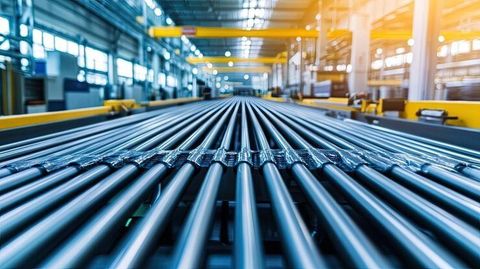
Industrial conveyor rollers are mechanical components that support and move materials along conveyor systems. They are widely used in manufacturing plants, warehouses, distribution centers, mining operations, food processing facilities, and packaging lines. By allowing materials to move along a defined path, conveyor rollers help organize the movement of products, components, cartons, and bulk materials between different stages of an operation.
Context
Industrial conveyor rollers are mechanical components that support and move materials along conveyor systems. They are widely used in manufacturing plants, warehouses, distribution centers, mining operations, food processing facilities, and packaging lines. By allowing materials to move along a defined path, conveyor rollers help organize the movement of products, components, cartons, and bulk materials between different stages of an operation.
The development of conveyor systems is closely connected to the growth of industrial production and material handling. Early mechanical conveying arrangements helped move heavy or repetitive loads with less manual effort. Modern conveyor roller systems use different materials, bearing arrangements, frame designs, and drive mechanisms to suit particular working environments and material types.
Understanding Industrial Conveyor Roller Designs
A conveyor roller is generally a cylindrical component mounted on a shaft or axle. It rotates as material passes over it or as a powered mechanism turns it. Rollers are installed in frames at intervals chosen according to the load, roller dimensions, and conveyor design.
Common industrial conveyor roller types include:
Gravity rollers: These rotate when materials move across them through manual force or a slight conveyor incline. They are often used for cartons, containers, and packages.
Powered rollers: These receive motion from an electric motor, drive belt, chain, or another transmission mechanism. They are used where controlled movement is needed.
Tapered rollers: These have a conical shape that helps guide packages around curved conveyor sections.
Impact rollers: These are designed for loading areas where falling materials may create repeated impact forces.
Return rollers: These support the returning section of a belt conveyor after the belt has passed over its discharge area.
Grooved rollers: These have shaped surfaces that accommodate certain drive belts or help maintain their position.
Each design serves a different purpose. Selecting a roller requires consideration of the conveyor structure, material dimensions, load distribution, operating speed, and surrounding conditions.
Main Components and Materials
Industrial conveyor rollers may contain a tube, shaft, bearings, seals, and end caps. Powered designs can also include drive elements or connect to a motorized roller assembly. The arrangement varies according to the intended application.
Steel is commonly used where strength and resistance to mechanical loads are important. Stainless steel may be selected for environments that require corrosion resistance or particular hygiene practices. Aluminum can reduce component weight, while polymer rollers may suit applications involving noise reduction, lighter loads, or specific chemical conditions. Material suitability depends on the operating environment and the properties of the items being conveyed.
Importance
Industrial conveyor rollers matter because material handling influences production flow, workplace organization, and the movement of goods. In a warehouse, rollers may help transfer cartons between packing and dispatch areas. In a manufacturing facility, they may move components between assembly stations, inspection points, and storage locations.
Appropriate roller design can also help reduce unnecessary friction and support predictable material movement. Incorrect selection, however, may contribute to uneven movement, excessive wear, product damage, or unplanned equipment interruptions. Understanding the operating requirements helps engineers, maintenance teams, plant managers, and equipment operators identify suitable components.
Factors That Affect Roller Performance
Several factors influence how a conveyor roller performs:
Load capacity: The roller must support the expected load, including the way weight is distributed across the conveyor.
Roller diameter: Diameter affects load support, rotation, and suitability for different package sizes.
Roller spacing: The distance between rollers should allow the conveyed item to remain adequately supported.
Operating speed: Speed affects movement control, handling accuracy, and the demands placed on bearings and drive components.
Environmental conditions: Dust, moisture, heat, chemicals, and outdoor exposure may affect materials, seals, and bearings.
Maintenance access: Accessible components can make inspection, cleaning, and replacement easier.
Noise and hygiene: Some workplaces require quieter movement or materials compatible with specific cleaning procedures.
These factors interact with one another. A roller appropriate for lightweight cartons in a clean warehouse may not be suitable for abrasive bulk materials or a wet industrial environment.
Comparing Common Conveyor Roller Types
| Roller type | Typical application | Main selection consideration |
|---|---|---|
| Gravity roller | Cartons and packages | Load, incline, and manual movement |
| Powered roller | Automated material movement | Speed control and drive arrangement |
| Tapered roller | Curved conveyor sections | Package dimensions and turning geometry |
| Impact roller | Belt loading points | Impact forces and material abrasion |
| Return roller | Belt return section | Belt alignment and support |
| Stainless steel roller | Corrosion-sensitive or hygiene-focused areas | Cleaning conditions and material compatibility |
The table provides general examples rather than fixed rules. The required roller design depends on the complete conveyor system and its operating conditions.
Recent Updates
Industrial conveyor technology continues to develop through automation, condition monitoring, improved materials, and more efficient equipment design. From 2024 through 2026, broader manufacturing trends have emphasized connected production equipment, predictive maintenance, energy awareness, and flexible material handling. The extent of adoption differs among industries and facilities.
Automation and Smart Monitoring
Modern conveyor installations may use sensors to monitor movement, motor load, temperature, vibration, or material position. Connected monitoring systems can help maintenance teams identify unusual operating conditions and investigate potential faults before they cause larger interruptions.
Powered roller conveyors are also used in automated warehouses and distribution centers, where sensors and control software coordinate the movement of packages between zones. These arrangements may support sorting, accumulation, and controlled transfers. Their performance depends on suitable system design, software integration, and regular maintenance.
Materials, Efficiency, and Maintenance
Manufacturers continue to develop roller materials, bearing arrangements, seals, and surface treatments for different industrial environments. The purpose may include managing friction, reducing noise, improving resistance to corrosion, or extending component operating life under specified conditions. Actual results depend on load, installation quality, contamination, and maintenance practices.
Predictive maintenance is another area of development. Instead of relying exclusively on fixed inspection intervals, some facilities use equipment data to identify changes in vibration, temperature, or operating behavior. Such monitoring supplements rather than eliminates physical inspections, lubrication where applicable, and safe maintenance procedures.
Laws or Policies
Industrial conveyor rollers are part of machinery systems that may be subject to workplace safety rules, machinery standards, electrical requirements, and industry-specific regulations. Applicable requirements depend on the country, type of installation, materials handled, and whether the conveyor is integrated into a larger production line.
Industrial Safety Requirements in India
In India, industrial conveyor installations must be considered within the applicable occupational safety and factory regulatory framework. The Factories Act, 1948, and relevant state factory rules have historically addressed machinery guarding, workplace safety, and safe operating conditions. The Occupational Safety, Health and Working Conditions Code, 2020, is also part of India's legislative framework; its applicability depends on commencement notifications and relevant implementing provisions in force.
Conveyor systems should be designed and operated with appropriate safeguards for their specific risks. These may include guarding of nip points, protection around moving drives, emergency stopping arrangements where required, warning signs, and procedures for clearing jams or performing maintenance. The precise measures depend on the installation and applicable standards.
Standards, Maintenance, and Worker Protection
Relevant technical standards may address conveyor dimensions, mechanical strength, safety guarding, testing, and operating practices. Standards published by organizations such as the Bureau of Indian Standards and the International Organization for Standardization may help engineers identify appropriate technical requirements. Whether a particular standard is mandatory depends on the applicable regulation, contract, or equipment specification.
Workers responsible for conveyor inspection and repair need suitable training and procedures. Before maintenance, hazardous energy sources should be isolated according to the site's safety system, with appropriate lockout and verification procedures. Guards should not be removed or bypassed during normal operation, and damaged rollers should be assessed before the conveyor returns to use.
Tools and Resources
Several technical resources can help with industrial conveyor roller selection, layout planning, and maintenance. The appropriate resource depends on the type of conveyor, the material being moved, and the level of engineering detail required.
Design Calculators and Technical Documentation
Conveyor design calculators can help estimate belt speed, roller spacing, load distribution, shaft requirements, and other parameters. These calculations depend on the assumptions and inputs used, so results should be checked against the complete system design rather than treated as universal specifications.
Manufacturer technical catalogs and engineering drawings often provide roller diameter, tube material, shaft dimensions, bearing details, load ratings, and operating limitations. Reviewing these details helps establish whether a component is compatible with the conveyor frame and the intended application.
Standards and Maintenance Resources
The Bureau of Indian Standards website provides information about Indian standards and related publications. The International Organization for Standardization website provides information about international standards, including those relevant to machinery and industrial safety. The applicable document should be checked for scope, edition, and legal status.
A conveyor maintenance checklist can record roller noise, visible damage, free rotation, alignment, contamination, bearing condition, and unusual vibration. Maintenance records can also include inspection dates, replacement components, identified faults, and corrective actions. Consistent records help teams recognize recurring issues and plan inspections around operating conditions.
FAQs
What are industrial conveyor rollers used for?
Industrial conveyor rollers support and move materials through warehouses, factories, packaging areas, and distribution facilities. They can handle individual packages or support conveyor belts that transport bulk materials.
What is the difference between gravity rollers and powered conveyor rollers?
Gravity rollers rotate when materials move across them through manual force or an incline. Powered conveyor rollers use a drive mechanism to move materials at a controlled rate, making them suitable for applications that require automated movement.
How do you select industrial conveyor rollers?
Selection depends on load capacity, roller diameter, spacing, operating speed, material type, environmental conditions, and conveyor design. Compatibility with the frame, bearings, and drive arrangement is also important.
Which materials are used to manufacture conveyor rollers?
Common materials include carbon steel, stainless steel, aluminum, and various polymers. The choice depends on mechanical loads, corrosion exposure, cleaning requirements, noise considerations, and the material being conveyed.
How often should industrial conveyor rollers be inspected?
Inspection frequency depends on operating hours, load, contamination, environment, and manufacturer guidance. Regular checks should identify unusual noise, damage, restricted rotation, alignment problems, and signs of bearing wear.
Conclusion
Industrial conveyor rollers support the movement of materials across manufacturing, warehousing, and distribution operations. Different roller designs address different requirements, including gravity movement, powered transport, curved sections, impact loading, and belt support. Appropriate selection depends on load, dimensions, operating conditions, materials, and safety requirements. Technical documentation, regular inspection, and compliance with applicable regulations help maintain reliable conveyor operation.