Industrial Plant and Machinery Guide: Equipment Types, Operations, Uses and Benefits
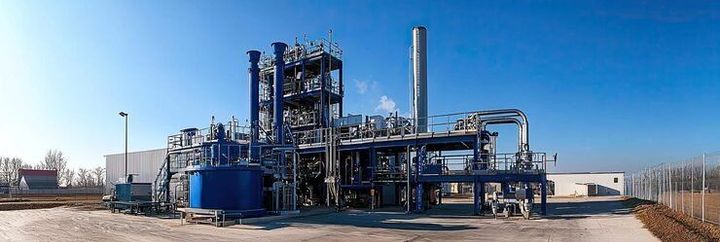
Industrial plant and machinery form the foundation of manufacturing, construction, processing, energy production, and many other industrial activities. An industrial plant refers to a facility where raw materials are processed, products are manufactured, or specialized operations are performed. Machinery includes the equipment, mechanical systems, and automated devices used to carry out these activities.
Context
Industrial plant and machinery form the foundation of manufacturing, construction, processing, energy production, and many other industrial activities. An industrial plant refers to a facility where raw materials are processed, products are manufactured, or specialized operations are performed. Machinery includes the equipment, mechanical systems, and automated devices used to carry out these activities.
The development of industrial machinery is closely connected to the Industrial Revolution, when mechanical equipment began replacing many manual production processes. Early factories used steam-powered machines, mechanical tools, and basic production systems. Over time, electricity, hydraulic technology, computer controls, and automation expanded the capabilities of industrial equipment.
Today, industrial plant and machinery include equipment ranging from small production tools to large manufacturing systems. These machines support activities such as cutting, lifting, packaging, mixing, assembling, material handling, and quality inspection. Their selection depends on production requirements, facility size, materials, operating conditions, and technical specifications.
Understanding Industrial Plant and Machinery
An industrial plant generally contains several interconnected systems that support daily operations. These may include production equipment, electrical installations, ventilation systems, material handling equipment, storage areas, and safety infrastructure.
Industrial machinery can be grouped into different categories:
Production machinery: Equipment used for manufacturing, shaping, cutting, forming, and assembling products.
Material handling machinery: Forklifts, conveyors, cranes, hoists, and lifting equipment used to move materials.
Processing equipment: Industrial mixers, compressors, pumps, reactors, and filtration systems used in manufacturing and processing.
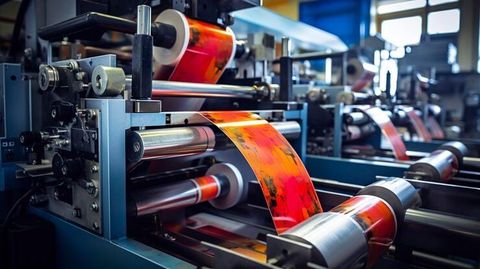
Packaging machinery: Filling machines, sealing equipment, labeling systems, and automated packaging lines.
Power equipment: Generators, transformers, industrial motors, and power distribution systems.
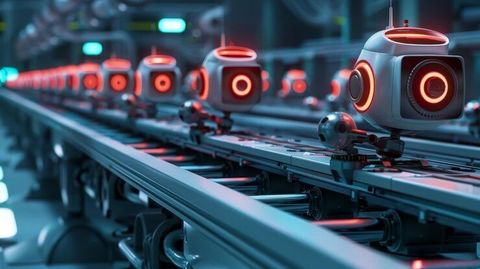
Automation equipment: Industrial robots, programmable logic controllers, sensors, and automated production systems.
Each category performs a different function, but several types of machinery may operate together within a single industrial facility.
Importance
Industrial plant and machinery are important because they support the production and movement of goods used in everyday life. Food processing, automobiles, construction materials, electronics, pharmaceuticals, textiles, and energy production all depend on specialized industrial equipment.
These systems also help industries manage production requirements, maintain consistent processes, and handle operations that may be difficult or physically demanding for workers. However, machinery introduces challenges involving maintenance, energy consumption, equipment compatibility, workplace safety, and operational planning.
Applications Across Different Industries
Industrial equipment is used in a wide range of business activities.
Manufacturing: CNC machines, welding robots, molding equipment, and assembly systems support product manufacturing.
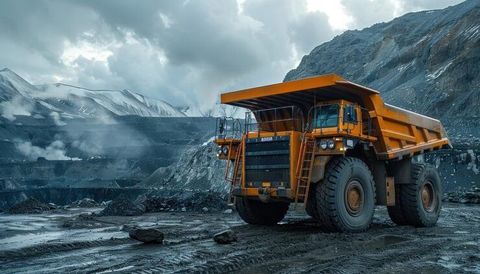
Construction: Excavators, concrete mixers, tower cranes, and earthmoving equipment support building and infrastructure projects.
Food processing: Industrial ovens, mixers, refrigeration systems, and packaging machines support food preparation and processing.
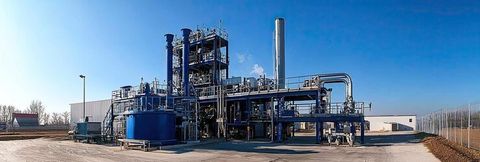
Chemical processing: Industrial reactors, pumps, heat exchangers, and filtration systems support chemical production.
Agriculture: Tractors, harvesters, irrigation pumps, and grain processing equipment support agricultural activities.
Energy production: Turbines, generators, transformers, and cooling systems support electricity generation and distribution.
The machinery used in each industry depends on the materials being processed, production capacity, environmental conditions, and applicable technical requirements.
Common Industrial Machinery and Their Functions
| Machinery type | Main function | Common application |
|---|---|---|
| CNC machine | Automated cutting and shaping | Metalworking |
| Industrial compressor | Produces compressed air | Manufacturing |
| Hydraulic press | Applies controlled mechanical force | Metal forming |
| Conveyor system | Moves materials between locations | Warehousing |
| Industrial boiler | Produces heat or steam | Processing plants |
| Forklift | Lifts and transports materials | Factories and warehouses |
| Industrial pump | Moves liquids through systems | Water and chemical processing |
| Welding robot | Performs automated welding | Automotive manufacturing |
| Injection molding machine | Forms products from molten material | Plastic manufacturing |
Understanding the function of each machine helps explain how industrial facilities organize their production activities.
How Industrial Plant Operations Work
Industrial plant operations involve multiple stages that connect equipment, materials, workers, and production processes. Although individual industries have different operating methods, many facilities follow a similar sequence.
Material preparation: Raw materials are inspected, sorted, measured, or prepared for processing.
Production operations: Machinery performs activities such as cutting, mixing, forming, heating, or assembly.
Quality inspection: Products and materials are checked against relevant specifications.
Material movement: Conveyors, forklifts, and other equipment transport materials between production areas.
Packaging and storage: Finished products are packaged, labeled, and transferred to storage or distribution areas.
The coordination of these stages helps maintain production flow and reduces interruptions between different operations.
Recent Updates
Industrial plant and machinery are increasingly incorporating digital technology, automation, energy management, and connected equipment. Developments from 2024 through 2026 reflect growing interest in smart manufacturing, industrial artificial intelligence, predictive maintenance, and more efficient production processes.
Smart Manufacturing and Industrial Automation
Smart manufacturing uses connected machines, sensors, software, and automated controls to monitor and coordinate industrial activities. These systems can collect information about machine temperature, production speed, equipment condition, and energy consumption.
Industrial robots are also being used for repetitive activities such as welding, assembly, packaging, and material handling. Collaborative robots, commonly called cobots, are designed to work near people under defined safety conditions. Their actual suitability depends on risk assessments, machine design, and workplace requirements.
Artificial Intelligence and Predictive Maintenance
Artificial intelligence is becoming part of industrial monitoring and production management. Some systems analyze machine data to identify unusual operating patterns, detect possible equipment problems, and support maintenance planning.
Predictive maintenance uses equipment information to estimate when inspection or maintenance may be necessary. This approach differs from reactive maintenance, which takes place after a failure, and preventive maintenance, which follows a planned schedule.
Energy Efficiency and Industrial Digitalization
Energy efficiency is another important development in industrial facilities. Variable frequency drives, efficient electric motors, improved insulation, and energy monitoring systems can help manage electricity consumption.
Digital twins are also being explored in industrial operations. A digital twin is a virtual representation of a physical machine, production line, or facility that can use operational data to support monitoring, analysis, and planning. The accuracy of these models depends on the quality and availability of underlying information.
Laws or Policies
Industrial plant and machinery are subject to regulations covering workplace safety, environmental protection, electrical installations, building standards, and equipment operation. In India, several national and state-level laws influence how industrial facilities are established and operated.
Industrial Safety and Factory Regulations in India
The Factories Act, 1948, has historically provided a framework for factory health, safety, and welfare requirements. The Occupational Safety, Health and Working Conditions Code, 2020, is part of India's labour-code framework intended to consolidate several workplace-related laws. Its applicable provisions and implementation arrangements should be checked against current government notifications and rules.
Industrial facilities may also need to follow requirements relating to machinery guarding, safe electrical installations, lifting equipment, hazardous processes, worker training, and emergency preparedness.
The Directorate General Factory Advice Service and Labour Institutes (DGFASLI) provides technical information and guidance relating to occupational safety and industrial health. State factory inspectorates also have responsibilities under applicable regulatory frameworks.
Environmental and Equipment Standards
Industrial plants may require approvals from the relevant State Pollution Control Board or Pollution Control Committee, depending on their activities and environmental impact. The Environment (Protection) Act, 1986, and associated rules provide an important framework for environmental regulation in India.
Certain machinery and industrial products may also be subject to applicable Bureau of Indian Standards requirements. Electrical equipment, pressure systems, and specialized machinery may have additional technical or certification requirements depending on their classification and use.
Industrial operators should consider the applicable permissions, inspections, safety requirements, and environmental obligations before installing or operating equipment. Specific requirements vary according to the industry, location, and nature of operations.
Tools and Resources
Several technical tools and information platforms help industrial operators understand machinery specifications, monitor equipment performance, and organize plant operations.
Machinery Design and Planning Software
Computer-aided design (CAD) software is used to create technical drawings and equipment layouts. Examples include Autodesk AutoCAD and SolidWorks. These applications support machine design, component planning, dimensional analysis, and industrial facility layouts.
Manufacturing execution systems (MES) help coordinate production activities by tracking manufacturing operations, work progress, and production information. Enterprise resource planning (ERP) platforms can connect inventory, purchasing, production planning, and financial records.
Equipment Monitoring and Maintenance Tools
Condition monitoring equipment measures operating characteristics such as vibration, temperature, pressure, and electrical performance. These measurements can help identify unusual equipment behavior.
Computerized maintenance management systems (CMMS) help organize inspection schedules, maintenance records, equipment histories, and replacement-part information. Industrial operators may also use energy monitoring software to review electricity consumption across production areas.
Technical Information and Industry Resources
The following resources provide information related to industrial equipment, technical standards, and manufacturing practices:
Bureau of Indian Standards (BIS): Information about Indian standards and applicable technical requirements.
DGFASLI: Resources concerning industrial safety and occupational health.
Ministry of Heavy Industries: Information about India's heavy manufacturing sector and industrial development initiatives.
International Organization for Standardization (ISO): International standards covering quality management, environmental management, and machinery-related requirements.
Autodesk and SolidWorks: Technical design and engineering software documentation.
Equipment manuals, maintenance records, technical drawings, and manufacturer specifications are also important resources for understanding individual machinery systems.
FAQs
What is industrial plant and machinery?
Industrial plant and machinery refer to the facilities, equipment, and mechanical systems used in manufacturing, processing, construction, and other industrial operations. They include production machines, pumps, compressors, conveyors, and automation systems.
What are the main types of industrial machinery?
The main types include production machinery, material handling equipment, processing machinery, packaging systems, power equipment, and industrial automation systems. Each category performs specific functions within an industrial facility.
How does industrial plant machinery improve manufacturing operations?
Industrial machinery supports repetitive production activities, material movement, product processing, and quality inspection. Automation can also help coordinate operations and reduce certain forms of manual work.
What is predictive maintenance in industrial machinery?
Predictive maintenance uses equipment data and condition monitoring to identify possible signs of machine deterioration. It helps maintenance teams plan inspections and maintenance activities based on observed equipment conditions.
Which regulations apply to industrial plant and machinery in India?
Applicable requirements may include factory safety regulations, environmental laws, electrical safety standards, building rules, and relevant BIS standards. The specific requirements depend on the equipment, industry, and operating location.
Conclusion
Industrial plant and machinery support manufacturing, construction, processing, agriculture, and energy production through specialized equipment and interconnected operating systems. Developments in automation, artificial intelligence, predictive maintenance, and energy monitoring are changing how industrial facilities manage their activities. In India, machinery operations are also influenced by workplace safety, environmental regulations, and technical standards. Understanding equipment types, operating functions, applications, and regulatory requirements provides a foundation for understanding modern industrial operations.