Industrial Washing Machinery A Complete Guide to Types, Uses, and maintainance
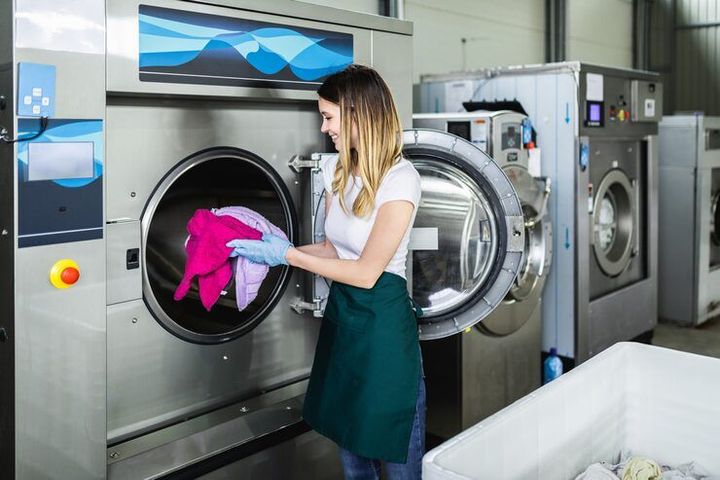
Industrial washing machinery refers to equipment designed to clean large quantities of textiles, garments, components, containers, or other materials in industrial and commercial environments. Unlike household washing equipment, these machines are generally designed around higher workloads, specialized cleaning processes, controlled water use, and repeated operating cycles.
The development of industrial washing machinery is closely connected with the growth of large-scale textile processing, hospitality, healthcare, manufacturing, food processing, and institutional operations. As the volume of materials requiring cleaning increased, manual washing became less practical for many facilities.
Modern industrial washing machinery can include batch washing machines, washer-extractors, continuous tunnel washers, component cleaning systems, and specialized equipment designed for particular materials. The selection depends on the material being cleaned, the level of contamination, production volume, available space, and the required washing process.
How industrial washing machinery works
Most industrial washing systems combine several basic actions: water, mechanical movement, temperature, cleaning agents, and rinsing. The exact combination depends on the material and type of contamination.
A typical washing cycle may include loading, pre-washing, main washing, rinsing, extraction, and unloading. Some systems use programmable controls that allow operators to adjust factors such as water level, cycle duration, temperature, and extraction speed.
Industrial equipment can also be connected with dryers, feeders, folders, presses, conveyors, or other processing equipment. This creates a continuous workflow in facilities that handle large volumes of materials.
Importance
Industrial washing machinery is important in environments where large quantities of materials need consistent and controlled cleaning. Textile laundries, healthcare facilities, hotels, food-processing operations, manufacturing plants, and institutional facilities can have different cleaning requirements.
Manual cleaning may require considerable physical effort and can produce variations in washing time, water usage, temperature, and cleaning intensity. Mechanical systems provide programmable processes that can make these variables easier to control.
Another important consideration is resource use. Industrial washing can require substantial quantities of water and energy, particularly when water must be heated. The U.S. Department of Energy identifies laundry equipment as a water-intensive process and highlights operational practices such as checking for leaks, using appropriate water levels, and maintaining equipment properly.
Common applications
Industrial washing machinery is used across several areas. Textile and garment facilities use washing systems for fabrics and finished garments, while institutional laundries process linens, uniforms, and other textiles.
Other applications include:
- Hospitality laundry operations
- Healthcare textile processing
- Industrial uniform cleaning
- Textile manufacturing
- Food-processing environments
- Manufacturing component cleaning
- Institutional laundry facilities
- Large-scale linen processing
The cleaning method must be appropriate for the material. A process designed for heavily soiled industrial textiles may not be suitable for delicate fabrics or components that require controlled handling.
Main types of industrial washing machinery
Different machines are designed around different workloads and processes. The following table provides a general comparison.
| Machine type | Typical use | Main characteristic |
|---|---|---|
| Washer-extractor | Textiles, uniforms, linens | Washing and high-speed water extraction |
| Batch washing machine | Medium to large textile loads | Controlled washing cycles |
| Tunnel washer | High-volume textile processing | Continuous washing process |
| Component washing machine | Industrial parts | Cleaning of manufactured components |
| Drum washing machine | Textiles and general materials | Rotating drum action |
| Continuous washing system | Large production environments | Material moves through multiple stages |
Washer-extractors combine washing and extraction within one machine. Tunnel washers divide washing into multiple stages and are commonly associated with high-volume textile processing. ISO standards separately address safety requirements for washing machines, washer-extractors, and washing tunnel lines.
Recent Updates
Developments in industrial washing machinery during 2024–2026 have increasingly focused on resource efficiency, automation, monitoring, and process control. Rather than simply increasing machine capacity, equipment development is increasingly concerned with how water, heat, chemicals, and electricity are used during individual cycles.
Digital controls are becoming more common in industrial equipment. Programmable systems can record operating information, control washing stages, and adjust processes according to different load requirements. Some equipment can also integrate sensors that monitor operating conditions.
Water and energy efficiency
Water management has become an important consideration in industrial laundry operations. The U.S. Department of Energy recommends practices such as checking plumbing connections for leaks, using appropriate water levels, and considering systems that recycle rinse water for subsequent washing cycles.
Heating water and drying textiles can also account for substantial energy use in laundry operations. This has encouraged greater attention to process design, heat recovery, water recycling, insulation, and equipment controls.
Greater process monitoring
Modern industrial washing systems can use electronic controls to monitor variables such as temperature, water levels, cycle duration, and extraction speed. Monitoring can help operators identify changes in equipment behavior before they become larger operational problems.
Data recording can also help compare washing cycles and identify unusual water or energy consumption. However, the usefulness of monitoring depends on accurate sensors, proper calibration, and appropriate interpretation of the collected information.
Standardized measurement
International standards also provide methods for describing and testing characteristics such as capacity, consumption, and productivity. ISO 9398-3, for example, specifies characteristics and test methods for washing tunnels, including power consumption and hourly productivity.
These measurement approaches help provide a common basis for evaluating equipment performance, although actual results can vary according to load type, operating settings, water conditions, and process requirements.
Laws or Policies
Industrial washing machinery is affected by different safety, environmental, workplace, water, electrical, and chemical requirements depending on the jurisdiction and application. Because these requirements vary between countries and industries, operators need to follow the rules applicable to their particular location and process.
International standards can provide technical guidance even though they are not automatically laws in every jurisdiction. ISO 10472-1 establishes common safety requirements for industrial laundry machinery, while related parts address washing machines, washer-extractors, washing tunnel lines, dryers, and other laundry equipment. The standard for common requirements was reviewed and confirmed by ISO in 2022.
Machine safety
Industrial washing equipment can involve mechanical movement, electrical systems, hot water, steam, chemicals, pressure, rotating components, and other hazards. Safety requirements therefore commonly address guarding, emergency controls, electrical protection, thermal hazards, and unexpected machine movement.
ISO 10472-2 specifically addresses safety requirements associated with washing machines and washer-extractors.
Facilities may also need to follow workplace safety requirements covering operator training, protective equipment, chemical handling, machine isolation, and maintenance procedures. The exact requirements depend on the equipment and local regulations.
Environmental considerations
Water discharge, chemical handling, energy consumption, wastewater treatment, and waste management may also be regulated. Facilities using industrial washing machinery should consider the requirements that apply to wastewater, chemical storage, emissions, and resource use in their operating area.
Environmental rules can differ considerably between jurisdictions, so general guidance should not be treated as a substitute for applicable local requirements.
Tools and Resources
Several resources can support the operation and maintenance of industrial washing machinery. Manufacturer manuals are particularly important because lubrication points, inspection intervals, cleaning procedures, electrical requirements, and replacement components vary between machines.
Maintenance logs can record operating hours, inspections, cleaning activities, unusual noise, vibration, leaks, temperature changes, and component replacement. A structured log can make it easier to identify recurring problems.
Useful resources may include:
- Equipment operating manuals
- Preventive maintenance checklists
- Water and energy meters
- Temperature and pressure monitoring instruments
- Maintenance logs and inspection forms
- Electrical testing equipment used by qualified personnel
- Manufacturer technical documentation
- Relevant ISO standards
- Workplace safety guidance
- Environmental and wastewater regulations
Industrial washing machinery maintenance
Regular maintenance helps identify mechanical and operational problems before they interrupt washing cycles. The exact maintenance schedule should follow the equipment manufacturer's instructions and the operating environment.
Routine checks may include inspecting hoses and connections for leaks, cleaning filters, checking doors and seals, examining belts and bearings where applicable, and keeping internal and external surfaces clean.
Operators should also monitor unusual vibration, noise, temperature, water flow, or drainage behavior. These changes can indicate wear, blockage, imbalance, or another equipment problem.
A maintenance schedule can be organized into several intervals:
| Maintenance interval | Typical checks |
|---|---|
| Daily | Leaks, cleanliness, doors, filters, unusual noise |
| Weekly | Hoses, seals, drainage, visible wear |
| Monthly | Connections, belts, bearings, sensors where applicable |
| Periodic | Electrical inspection, calibration, component condition |
| Manufacturer-specified | Major inspection and component replacement |
These intervals are general examples rather than fixed requirements. The correct schedule depends on the machine design, workload, operating conditions, and manufacturer's instructions.
FAQs
What is industrial washing machinery?
Industrial washing machinery is equipment designed to clean large quantities of textiles, garments, components, or other materials through controlled mechanical and washing processes. Different machines are designed for different materials and workloads.
What are the main types of industrial washing machinery?
Common types include washer-extractors, batch washing machines, tunnel washers, drum washing systems, continuous washing systems, and machines designed for industrial components. The appropriate type depends on the material, cleaning requirements, and processing volume.
How does industrial washing machinery maintenance work?
Maintenance generally involves regular inspection, cleaning, leak checks, filter inspection, examination of moving components, and monitoring of unusual operating conditions. The exact procedures and intervals should follow the equipment manufacturer's documentation.
How can industrial washing machinery reduce water use?
Water use can be influenced by load size, programmed water levels, rinse cycles, equipment design, and water-recovery systems. The U.S. Department of Energy identifies leak prevention, appropriate water levels, and rinse-water recycling among practices that can support water efficiency.
What safety standards apply to industrial washing machinery?
ISO 10472 includes international safety standards covering industrial laundry machinery. Its different sections address common requirements, washing machines and washer-extractors, tunnel washing systems, dryers, and other laundry equipment. Local workplace and machinery regulations may also apply.
Conclusion
Industrial washing machinery includes several equipment types designed for different cleaning applications, materials, and processing volumes. Its operation involves controlled combinations of water, mechanical action, temperature, cleaning agents, rinsing, and extraction. Recent developments have placed greater attention on resource efficiency, digital controls, process monitoring, and equipment safety. Regular inspection and maintenance remain important for reliable operation, while applicable safety, environmental, and machinery requirements should be considered throughout the equipment's operating life.