Kite Surfing Equipment Rentals Explained With Kites, Boards, and Essential Gear
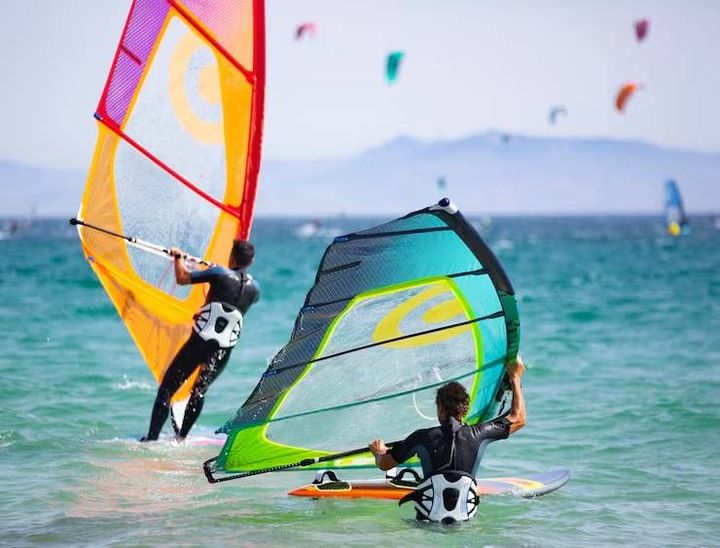
Kite surfing, also called kitesurfing, is a water sport that combines a kite, a board, and wind power. Participants use a large controllable kite to move across the water while standing on a board.
Kite surfing equipment rentals make the sport accessible to beginners, holidaymakers, and experienced riders who do not want to transport their own equipment.
The sport developed from earlier experiments with wind-powered boards and traction kites. Modern equipment includes improved kite control systems, boards designed for different water conditions, and safety mechanisms that help riders manage wind power. These developments have made equipment selection an important part of learning and participating in the sport.
Kite surfing equipment rentals generally include inflatable or foil kites, kiteboards, control bars, lines, harnesses, and safety accessories. The exact combination depends on the rental arrangement, rider experience, weather conditions, and local operating practices.
Understanding Kite Surfing Equipment
Each piece of equipment performs a specific function. The kite captures wind energy, while the control bar and lines allow the rider to adjust its direction and power. The board provides a surface for gliding across the water, and the harness transfers some of the kite's pulling force away from the rider's arms.
Essential equipment commonly includes:
Kite and control system for managing wind power.
Kiteboard suited to the rider's weight and ability.
Harness that connects the rider to the kite system.
Safety leash and quick-release mechanisms.
Helmet and impact vest where appropriate.
Wetsuit or other protective clothing suited to water temperature.
Equipment compatibility matters because different kites, bars, line lengths, and safety systems may not work together correctly. A rental package should therefore be assessed as a complete setup rather than as a collection of unrelated items.
Who Uses Rental Equipment?
Beginners often use rental equipment during lessons because they are still learning kite control, launching, landing, and water recovery. Travellers may also prefer rentals because transporting large kites and boards can be inconvenient during air or road travel.
Experienced riders sometimes rent equipment when visiting destinations with different wind patterns or water conditions. Rentals can also help occasional participants avoid storing bulky equipment between trips.
Importance
Kite surfing equipment rentals matter because the sport requires several specialised items, and selecting the correct combination can be difficult for newcomers. Kite size, board dimensions, wind strength, water conditions, and rider ability all influence equipment suitability.
For beginners, using appropriately selected equipment under qualified supervision can help make the learning process more manageable. Experienced participants also need to understand how equipment characteristics affect control, comfort, and performance.
Choosing Equipment for Different Experience Levels
Beginners generally benefit from stable boards, manageable kite power, and equipment selected according to their body weight and the day's wind conditions. However, no single kite size or board type suits every learner. An instructor or knowledgeable rental operator can assess the relevant conditions before equipment is selected.
Intermediate riders may prefer boards that support transitions, upwind riding, and controlled turns. Advanced riders may choose specialised boards or kites depending on their riding style, including freestyle, wave riding, or freeride activities.
Common Equipment Selection Factors
Several factors influence rental equipment selection:
Rider weight and physical ability.
Current wind speed, gusts, and direction.
Water depth, waves, and surface conditions.
Kiteboard shape, length, width, and volume.
Compatibility of the kite, control bar, lines, and safety system.
Rider experience with launching, landing, and emergency procedures.
Incorrect equipment selection can increase difficulty and expose riders to avoidable hazards. Wind conditions can also change rapidly, so equipment that appears manageable at one moment may become unsuitable later.
Rental Equipment Comparison
| Equipment | Main purpose | Important consideration |
|---|---|---|
| Inflatable kite | Provides controllable wind power | Size and wind range |
| Kiteboard | Supports movement across water | Rider weight and board design |
| Control bar and lines | Direct kite movement | Compatibility and line condition |
| Harness | Transfers pulling force to the body | Fit and connection points |
| Safety leash | Connects the rider to the safety system | Correct attachment and operation |
| Helmet | Helps protect the head | Fit and intended water-sport use |
| Impact vest | Provides additional impact protection | Fit and freedom of movement |
| Wetsuit | Helps manage heat loss | Water temperature and exposure |
Rental arrangements differ, so the equipment included should be confirmed before the activity begins. Some arrangements provide a complete setup, while others cover only selected components.
Recent Updates
Kite surfing equipment continues to develop through changes in kite design, materials, safety systems, and board construction. Recent industry trends through 2024–2026 include greater attention to equipment durability, easier handling, and designs that accommodate different rider abilities.
Changes in Kite and Board Design
Modern inflatable kites commonly use reinforced materials and structural designs intended to maintain their shape under wind pressure. Design differences affect turning response, stability, and how a kite behaves across its intended wind range. These characteristics vary by model and do not remove the need for appropriate training.
Kiteboards also use different shapes and construction methods. Twin-tip boards remain common for general recreational riding, while directional boards are frequently associated with wave riding. Some designs emphasise lighter construction, improved flex, or durability under repeated use.
Greater Attention to Safety Systems
Quick-release mechanisms, safety leashes, and clear control-system layouts remain important equipment considerations. Riders increasingly pay attention to compatibility between older and newer components, especially when using equipment supplied through rentals.
A modern design does not automatically mean that equipment is suitable for every participant. Riders still need to understand how the release mechanism works, how to activate it, and how to inspect the equipment before entering the water.
Digital Booking and Equipment Management
Online booking tools and digital inventory systems are increasingly used by water-sport operators. These systems can help participants review available equipment categories, arrange lesson schedules, and communicate their experience level before arrival.
Weather forecasts and wind-monitoring tools also play an important role in planning. Forecasts are estimates, however, and conditions at the beach may differ from the information displayed on a screen. Local observation and operator guidance remain important.
Laws or Policies
Kite surfing equipment rentals are affected by local water-sport rules, beach management policies, boating requirements, environmental restrictions, and general safety obligations. The exact requirements depend on the country, coastal authority, waterway, and location where the activity takes place.
Local Operating Requirements
Some destinations require water-sport operators to hold particular permits or meet safety requirements. Others establish designated launch areas, restricted swimming zones, or rules governing access to beaches and waterways.
Participants should understand the local rules before riding. Restrictions may cover where kites can be launched, how close riders may approach swimmers, and whether certain areas are closed during particular conditions.
Equipment Safety and Inspection
Rental equipment should be inspected before use. Important checks include the kite canopy, inflatable sections, lines, control bar, harness connections, board fins, and safety-release mechanisms.
Riders should also understand the procedures for launching, landing, releasing kite power, and responding to equipment problems. Damaged lines, malfunctioning releases, or uncertain equipment compatibility are reasons to stop and seek an assessment before entering the water.
Environmental and Personal Safety
Kite surfing can affect other beach users when riders launch or land in crowded areas. Maintaining adequate separation from swimmers, pedestrians, boats, and obstacles helps reduce collision risks.
Weather awareness is equally important. Offshore winds, thunderstorms, strong gusts, and rapidly changing conditions can create serious hazards. Local restrictions and qualified instruction should take priority over personal assumptions about whether conditions appear manageable.
Tools and Resources
Several practical tools can help participants understand rental equipment, assess conditions, and prepare for kite surfing. These resources support planning but do not replace hands-on instruction or local safety guidance.
Wind and Weather Tools
Wind forecasts provide information about expected wind speed, direction, gusts, and changing weather patterns. Marine forecasts may also include wave height and other relevant information.
Participants should compare forecast information with actual conditions at the launch site. A forecast intended for a broad region may not accurately represent wind patterns near cliffs, buildings, or other coastal features.
Equipment Selection Guides
Manufacturer specifications can help riders understand the intended wind range, rider-weight recommendations, and compatibility requirements of particular equipment. These details are especially useful when comparing kite sizes or board designs.
Rental operators may also maintain equipment charts based on rider weight, current wind conditions, and available inventory. Such charts are guidance tools rather than universal rules because local conditions and individual abilities differ.
Rental Preparation Checklist
Before accepting a rental setup, participants can check the following items:
Confirm which kite, board, harness, and safety accessories are included.
Explain current riding ability and previous training to the operator.
Inspect the kite, lines, control bar, and board for visible damage.
Check the harness fit and all required connections.
Locate and understand the quick-release mechanisms.
Confirm the designated launch area and current local restrictions.
Review emergency procedures and equipment return arrangements.
A checklist helps make equipment preparation more consistent. It should be combined with an appropriate lesson or assessment when the rider lacks experience with the equipment.
FAQs
What Is Included in Kite Surfing Equipment Rentals?
A rental arrangement may include a kite, control bar, lines, kiteboard, harness, and safety leash. Helmets, impact vests, wetsuits, and other protective items may be included separately or supplied as part of a lesson package. The exact contents depend on the operator and the participant's requirements.
How Do Beginners Choose the Right Kite Surfing Equipment?
Beginners should consider body weight, wind conditions, water conditions, and their current skill level. A qualified instructor or experienced rental operator can help select compatible equipment and explain its operation. Beginners should not attempt independent kite launching or riding without appropriate training.
Can Experienced Riders Rent Kite Surfing Boards and Kites While Travelling?
Yes, many kite surfing destinations have rental arrangements for experienced riders. Availability, equipment categories, and eligibility requirements vary. Operators may ask about riding experience or require an assessment before providing equipment for independent use.
How Do Wind Conditions Affect Kite Surfing Equipment Rentals?
Wind speed, gusts, and direction influence kite selection and whether riding is appropriate. A kite that is too large for the conditions may generate excessive power, while an unsuitable smaller kite may not provide sufficient control for the intended activity. Equipment selection should be based on current conditions and qualified guidance.
What Safety Checks Are Necessary Before Using Rental Equipment?
Participants should inspect the kite, lines, control bar, board, harness, and safety-release systems. They should confirm that components are compatible, understand emergency release procedures, and identify a suitable launch area. Any equipment with visible damage or an uncertain safety function should be assessed before use.
Conclusion
Kite surfing equipment rentals provide access to specialised kites, boards, control systems, and protective gear without requiring participants to transport their own equipment. Selecting suitable equipment depends on rider experience, body weight, wind conditions, water conditions, and compatibility between components. Local regulations, equipment inspections, and an understanding of emergency procedures are important parts of preparation. Careful planning helps participants understand the equipment and the responsibilities involved in kite surfing.