Lifting Equipment Guide: Cranes, Hoists, Lifting Devices, Applications and Operational Considerations
Lifting equipment forms the backbone of modern workshops, warehouses, and construction environments. From vehicle servicing to heavy material handling, the right tools improve both efficiency and safety. Industries across Colombia rely on advanced systems to streamline operations and reduce manual labor. Understanding different equipment types helps businesses make smarter investment decisions.
Lifting Equipment Types and Their Real-World Uses
Lifting equipment includes machines designed to raise, position, or transport loads across various environments. These tools are widely used in automotive repair, logistics, and construction industries.
A towable boom lift is commonly used for elevated work such as electrical maintenance or building repairs. It is portable and ideal for multiple job sites.
The forklift boom enhances a standard forklift by allowing it to lift suspended loads, making it highly useful in construction and heavy material handling.
In workshops, the two post car lift is widely used for quick servicing, while the car scissor lift is preferred in compact spaces.
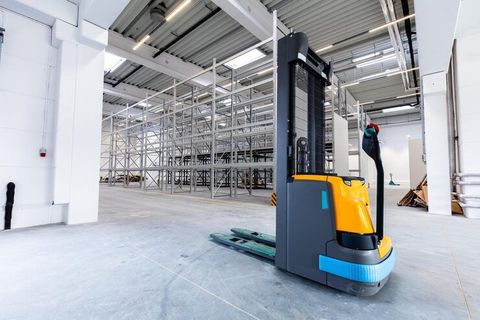
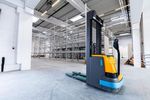
For precision tasks, transmission jacks and a hydraulic motorcycle lift are essential tools. Warehouses rely on the stacker lift for efficient vertical storage and movement of goods.
Lifting Equipment for Workshops and Industrial Applications
Workshops and industries require specialized lifting systems to handle different tasks efficiently.
A two post car lift is ideal for general vehicle servicing and inspections.
A car scissor lift works well in limited spaces and provides stable lifting.
Transmission jacks are used for safely removing and installing heavy components.
A hydraulic motorcycle lift ensures stability when working on bikes.
A stacker lift is essential for organizing goods in warehouses.
For industrial environments, a forklift boom allows lifting of irregular loads, while a towable boom lift is useful for maintenance at height.
These systems reduce manual effort and increase productivity across operations.
Boom Lifts and Vehicle Lifting Systems Explained
Boom lifts and vehicle lifting systems are among the most widely used lifting equipment categories.
A towable boom lift provides flexibility and mobility, making it ideal for outdoor and multi-location tasks. It is commonly used in construction, signage installation, and facility maintenance.
The forklift boom attachment converts forklifts into mini cranes, enabling lifting of heavy and awkward loads.
In automotive workshops, the two post car lift allows easy access to the underside of vehicles, while the car scissor lift offers compact and stable lifting.
For specialized repairs, transmission jacks and a hydraulic motorcycle lift ensure precise handling of components and vehicles.
Together, these systems improve efficiency and safety in both industrial and workshop settings.
Material Handling Systems and Lifting Tools Guide
Material handling is a key component of industrial operations, especially in logistics and warehousing.
A stacker lift is used for lifting and stacking pallets in tight spaces.
The forklift boom helps handle oversized or suspended loads.
A towable boom lift is useful for maintenance tasks in large warehouses.
In addition, tools like transmission jacks and a hydraulic motorcycle lift support maintenance operations within industrial facilities.
Using the right combination of lifting tools ensures smooth workflow, reduces downtime, and minimizes the risk of workplace injuries.
Colombian industries are increasingly adopting advanced lifting systems to improve efficiency and meet global standards.
Maintenance Applications and Safety Best Practices
Proper usage and maintenance of lifting equipment are critical for safety and longevity.
Regular inspection of a two post car lift prevents mechanical failures.
A car scissor lift should be checked for hydraulic leaks and stability.
Operators must be trained to handle a towable boom lift safely.
A forklift boom should only be used within its load capacity.
Transmission jacks and a hydraulic motorcycle lift must be used for their intended purposes.
A stacker lift should never be overloaded to avoid tipping risks.
Following safety standards reduces accidents and ensures smooth operations in workshops and industrial environments.
Advanced Features and Modern Innovations in Lifting Equipment
Modern lifting equipment is evolving with advanced technology and automation.
Electric-powered systems are becoming popular, especially for a towable boom lift, due to lower emissions and operating costs.
Smart controls and sensors are now integrated into equipment like the forklift boom and stacker lift, improving precision and safety.
Automotive lifts such as the two post car lift and car scissor lift now include automated locking systems and enhanced load balancing.
Specialized tools like transmission jacks and a hydraulic motorcycle lift are also being designed with ergonomic features for easier handling.
These innovations are helping industries in Colombia adopt more efficient and sustainable practices.
Top Companies Providing Lifting Equipment
Several global manufacturers supply high-quality lifting equipment in Colombia:
JLG Industries offers reliable boom lifts, including advanced towable boom lift models for construction and maintenance.
Genie provides a wide range of lifting solutions, including boom lifts and material handling systems.
Toyota Material Handling is known for durable forklifts, forklift boom attachments, and stacker lift systems.
These companies have strong distribution networks and service support in Colombia, making them trusted choices for businesses.
Approximate Costs of Lifting Equipment in Colombia
The cost of lifting equipment varies depending on capacity, features, and brand. Below are general estimates in Colombian Pesos (COP):
A towable boom lift costs between COP 80,000,000 and COP 180,000,000 based on height and specifications.
A two post car lift ranges from COP 12,000,000 to COP 30,000,000 for standard workshop models.
A car scissor lift typically costs between COP 15,000,000 and COP 40,000,000.
Transmission jacks and a hydraulic motorcycle lift range from COP 1,500,000 to COP 8,000,000.
A stacker lift can cost between COP 5,000,000 and COP 25,000,000 depending on type.
Prices may vary based on import costs, brand reputation, and additional features.
How to Choose the Right Lifting Equipment for Your Business
Selecting the right equipment depends on operational needs and workspace conditions.
Choose a towable boom lift for mobility and elevated work tasks.
Use a stacker lift for warehouse operations and storage efficiency.
Invest in a two post car lift for general automotive servicing.
Opt for a car scissor lift if space is limited.
Use transmission jacks and a hydraulic motorcycle lift for specialized repairs.
Add a forklift boom for handling heavy and irregular loads.
Careful evaluation ensures better performance, safety, and long-term cost savings.
Conclusion
Lifting equipment is essential for improving efficiency, safety, and productivity across industries. From workshops to warehouses, the right tools make operations smoother and more reliable. Understanding different systems helps businesses choose solutions that match their needs. As industries grow, adopting advanced lifting technologies becomes increasingly important. Investing in the right equipment ensures long-term success and operational excellence.