London Tourist Attractions Information With Royal Sites, Museums, and City Highlights
London tourist attractions bring together centuries of royal history, museums, architecture, parks, theatres, markets, galleries, and modern city districts. As the capital of the United Kingdom, London has developed through many historical periods, leaving visitors with a wide range of places to explore within a relatively connected urban area.
The city's attractions reflect different parts of its history. Royal locations such as Buckingham Palace and the Tower of London illustrate the country's monarchy and political history, while museums and galleries preserve collections connected with art, science, design, archaeology, and world cultures.
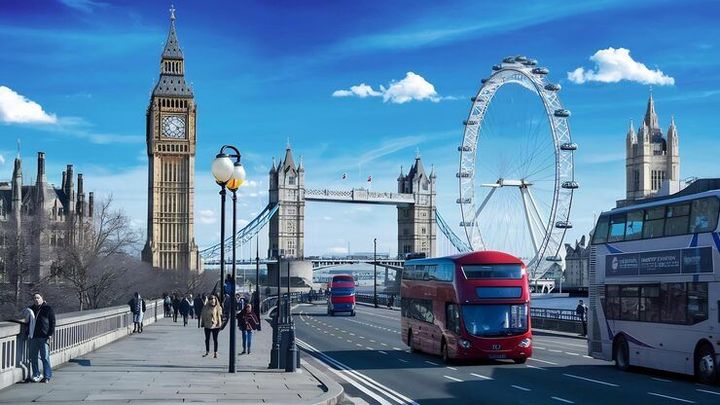
London also has major public spaces and architectural landmarks. Westminster Abbey, the Houses of Parliament, the London Eye, Tower Bridge, St Paul's Cathedral, and the River Thames are among the locations commonly associated with the city.
A London sightseeing itinerary can therefore combine historical buildings with museums, parks, shopping districts, cultural venues, and neighborhood exploration. Public transport also makes it possible to visit attractions in different parts of the city during the same trip.
Main Categories of London Attractions
London tourist attractions can generally be grouped into several categories:
Royal sites and historic residences
Museums and art galleries
Historic churches and monuments
Parks and gardens
River Thames landmarks
Observation and city-view locations
Markets and shopping districts
Theatre and cultural venues
Family-oriented attractions
Historic neighborhoods
The experience can vary considerably between these categories. A museum visit may involve several hours indoors, while a walking itinerary around Westminster can combine architecture, public spaces, monuments, and riverside views.
Royal Sites and Historic Buildings
Royal attractions form an important part of London's tourism landscape. Buckingham Palace is associated with the British monarch and is particularly notable for its ceremonial role. Certain areas of the palace are accessible to visitors during designated periods.
The Tower of London has a different historical character. It has served various roles over centuries, including royal residence, fortress, and prison. Its history connects with major events in England's political and royal development.
Kensington Palace is another royal residence with historical connections to members of the royal family. Visitors can explore its historic rooms and exhibitions when access is available.
Importance
London tourist attractions matter because they provide access to history, art, science, architecture, culture, and public spaces within one metropolitan area. The city's museums and historic locations also contribute to education by allowing visitors to encounter original objects, buildings, artworks, and documented historical material.
Tourism also affects transportation, accommodation, restaurants, cultural institutions, retail areas, and local communities. Visitor activity can influence how public spaces and historic buildings are managed, particularly in heavily visited areas.
Museums and Cultural Institutions
London has a large concentration of museums and galleries covering subjects ranging from natural history to modern art. The British Museum contains collections relating to human history and cultures, while the Natural History Museum focuses on natural sciences and biodiversity.
The Victoria and Albert Museum covers art, design, fashion, and decorative arts. The Science Museum presents scientific and technological subjects through objects, displays, and educational material.
The National Gallery focuses on European painting, while Tate Modern presents modern and contemporary art. These institutions provide different experiences, making museum selection an important part of planning a London itinerary.
Westminster and Central London
Westminster is one of the city's major areas for historic and political landmarks. Westminster Abbey, the Palace of Westminster, Big Ben, and nearby public spaces create a concentrated sightseeing area.
St James's and the area around Buckingham Palace provide another route through historic London. Visitors can combine royal landmarks with parks and nearby streets without traveling long distances between every location.
River Thames and City Landmarks
The River Thames runs through central London and provides a geographic connection between many attractions. Riverside walks and boat journeys can provide different views of bridges, historic buildings, modern architecture, and waterfront districts.
Tower Bridge is one of the city's recognizable landmarks. St Paul's Cathedral, the Millennium Bridge, the Tate Modern area, and the Tower of London can also be connected through routes around the river.
Recent Updates
London's tourism environment continues to evolve through changes in museum programming, public spaces, transportation arrangements, cultural exhibitions, and visitor-management practices. Major attractions regularly introduce temporary exhibitions, seasonal programs, restoration work, and revised visiting arrangements.
Museum and Exhibition Changes
London museums continue to rotate temporary exhibitions while maintaining permanent collections. This means that the experience at a museum can change even when the building and permanent galleries remain familiar.
Visitors planning a specific exhibition should check the current schedule because temporary displays have individual opening periods, admission arrangements, and capacity limits.
Royal Attraction Access
Royal residences can have different visiting arrangements depending on the season and official activities. Buckingham Palace, for example, has traditionally had specific periods when selected state rooms are accessible to visitors.
Other royal locations have their own schedules and exhibition arrangements. Opening periods can therefore vary from one attraction to another.
New and Changing City Experiences
London's tourism landscape also includes changing neighborhoods, public spaces, cultural venues, restaurants, markets, and riverside developments. Areas around King's Cross, the South Bank, the City of London, and the Thames continue to combine historic structures with newer architecture.
Walking routes have become an important part of city sightseeing because several attractions can be connected through pedestrian areas. Visitors can combine individual attractions with parks, public squares, bridges, and neighborhood streets.
Digital Planning
Digital ticketing, online attraction calendars, mapping applications, and transport-planning tools are increasingly important for visitors. They can help travelers understand opening times, temporary closures, travel connections, and expected visiting periods.
The availability of digital information also means that attraction schedules can be checked shortly before a visit rather than relying entirely on older printed travel information.
Laws or Policies
London tourist attractions operate under a mixture of national legislation, local authority rules, heritage protections, transportation regulations, public-space requirements, and individual venue policies.
Heritage Protection
Many historic buildings in London are protected because of their architectural or historical significance. Changes to protected structures can be subject to planning and heritage requirements.
This protection helps preserve buildings and sites while allowing carefully managed maintenance, restoration, and visitor access. Historic sites can therefore have restrictions on photography, access areas, food, large bags, or other activities.
Museum and Attraction Policies
Individual museums and attractions establish rules covering photography, security screening, bags, food, accessibility, ticketing, and behavior. Some exhibitions may have separate requirements because of fragile objects or limited gallery space.
Visitors may also encounter restrictions around tripods, large luggage, professional photography, or the use of certain equipment. These policies can vary by institution.
Public Transport and City Travel
London's extensive public transport network connects many tourist attractions. Visitors may use the Underground, buses, rail services, walking routes, river transport, or combinations of these options.
Transport rules cover ticketing, passenger behavior, accessibility, restricted areas, and safety. Planned travel should account for possible engineering works, disruptions, or station changes.
Tools and Resources
Several tools can help visitors organize London sightseeing. Digital maps can show walking distances and public transport connections between attractions. Transport-planning applications can help identify routes involving the Underground, buses, trains, and walking.
Museum and attraction calendars can provide information about opening times, temporary exhibitions, timed-entry arrangements, and special events. Travelers can also use digital itinerary planners to organize attractions by geographic area.
Useful planning resources include:
London attraction maps
Public transport journey planners
Museum exhibition calendars
Walking-route planners
Digital travel itineraries
Weather applications
Currency calculators
Museum accessibility information
Attraction ticket calendars
City sightseeing guides
Accommodation location maps
Travel packing checklists
A simple attraction comparison can help organize different sightseeing interests:
| Attraction Category | Examples | Main Interest | Suggested Planning Focus |
|---|---|---|---|
| Royal Sites | Buckingham Palace, Kensington Palace | Royal history | Opening periods |
| Historic Sites | Tower of London, Westminster Abbey | History and architecture | Entry arrangements |
| Museums | British Museum, Science Museum | Education and collections | Exhibition schedules |
| Art Galleries | National Gallery, Tate Modern | Art | Collection and exhibition times |
| Landmarks | Big Ben, Tower Bridge | Architecture and city views | Walking route |
| Parks | Hyde Park, St James's Park | Outdoor space | Weather and walking |
| River Areas | South Bank, Thames paths | Riverside sightseeing | Route and transport |
| Theatre Districts | West End | Performing arts | Show schedule |
Grouping attractions geographically can reduce unnecessary travel. For example, Westminster landmarks can be explored together, while South Bank attractions can form another walking area.
FAQs
What are the main London tourist attractions?
Major London tourist attractions include Buckingham Palace, the Tower of London, Westminster Abbey, Big Ben, the Palace of Westminster, Tower Bridge, St Paul's Cathedral, the British Museum, the National Gallery, and Tate Modern.
Which London tourist attractions are related to the royal family?
Royal attractions include Buckingham Palace, Kensington Palace, and the Tower of London. Each has a different historical role and visiting arrangement.
Which museums should visitors consider in London?
London has museums covering many subjects. The British Museum focuses on human history and cultures, the Natural History Museum covers natural sciences, the Science Museum focuses on science and technology, and the Victoria and Albert Museum covers art and design.
How can visitors plan London sightseeing efficiently?
Grouping attractions by geographic area can reduce travel between locations. A visitor might explore Westminster in one period, the South Bank and Thames area in another, and museums or royal locations according to their opening schedules.
What should visitors know about London tourist attraction policies?
Attractions can have individual rules covering tickets, security checks, photography, luggage, accessibility, food, and restricted areas. Opening arrangements can also change because of exhibitions, ceremonies, maintenance, or other venue activities.
Conclusion
London tourist attractions cover royal history, museums, art, architecture, parks, river landmarks, theatre, and modern city districts. Royal sites and historic buildings provide insight into different periods of British history, while museums and galleries cover science, art, design, and world cultures. Recent tourism planning increasingly involves digital schedules, transport tools, exhibition calendars, and geographically organized itineraries. Attraction rules, heritage protections, and transport requirements also form an important part of visiting the city.