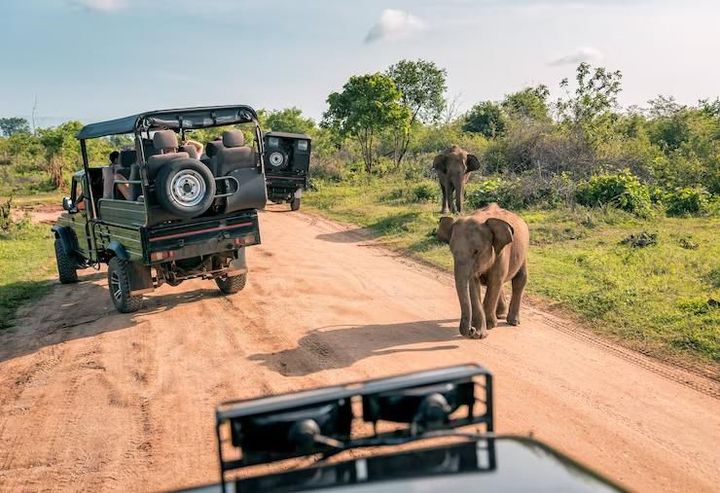
Luxury Safari Travel Basics With Destinations, Experiences, and Vacation Planning
Luxury safari travel combines wildlife viewing, comfortable accommodation, guided outdoor activities, local culture, and carefully planned transportation. Unlike a conventional sightseeing vacation, a safari often takes place in protected natural areas where visitors observe animals in their natural surroundings.
Luxury safari experiences add enhanced accommodation, private or small-group arrangements, specialized guides, and additional comfort within the conditions of the destination.
The modern safari developed from earlier forms of organized wildlife travel in Africa and other regions. Over time, safari tourism expanded beyond traditional game drives to include walking activities, conservation experiences, photography, cultural visits, birdwatching, and nature education.
Today, luxury safari travel can take place in several regions, including eastern and southern Africa, parts of southern Africa, and selected wildlife destinations elsewhere. Each destination has different ecosystems, wildlife species, seasons, landscapes, accommodation styles, and travel requirements.
A luxury safari vacation generally combines several elements rather than focusing on one activity. Accommodation may range from permanent lodges to tented camps, while transportation can include safari vehicles, small aircraft, boats, and guided walking routes.
Main Elements of a Luxury Safari
A safari itinerary may include:
Guided wildlife drives
Walking nature activities
Wildlife photography
Birdwatching
Cultural experiences
Conservation-focused activities
Scenic flights
Boat-based wildlife viewing
Lodge or tented-camp accommodation
Outdoor dining experiences
Stargazing and nature interpretation
The exact combination depends on the destination and the operating conditions of the protected area.
Safari Destinations
Africa contains many well-known safari regions with different ecosystems. Kenya and Tanzania are associated with large grassland ecosystems and seasonal wildlife movements. Botswana is known for wetland and desert-edge environments, while South Africa provides a combination of wildlife reserves, varied landscapes, and established tourism infrastructure.
Namibia has distinctive desert landscapes and wildlife areas, while Zambia and Zimbabwe contain major river systems and protected areas. Uganda and Rwanda are associated with mountain and forest ecosystems where visitors can encounter primates as well as other wildlife.
Importance
Luxury safari travel matters because it connects tourism with wildlife observation, conservation, local communities, and protected natural areas. Visitors experience environments that are different from urban tourism destinations, while tourism activity can contribute to local economies and conservation programs when properly managed.
The experience also requires more detailed planning than many conventional vacations. Safari destinations can involve long distances, seasonal road conditions, limited infrastructure, wildlife-related safety procedures, and specific entry or health requirements.
Who Chooses Safari Travel?
Safari travel attracts different types of travelers. Some are interested primarily in wildlife photography, while others focus on nature, landscapes, cultural experiences, family travel, or outdoor activities.
Common interests include:
Wildlife observation
Photography
Birdwatching
Nature education
Outdoor activities
Cultural experiences
Conservation learning
Scenic landscapes
Quiet rural environments
Luxury accommodation can make the experience suitable for travelers who want access to remote environments while maintaining a higher level of comfort.
Wildlife Experiences
Wildlife viewing is influenced by geography, season, weather, animal behavior, and local conservation rules. Animals are wild rather than controlled attractions, so sightings cannot be treated as predictable events.
Safari guides use knowledge of animal behavior, tracks, habitats, weather, and local conditions to determine appropriate routes. Game drives generally take place during periods when wildlife activity and visibility are suitable.
Different destinations can provide opportunities to observe elephants, lions, leopards, cheetahs, rhinoceroses, buffalo, giraffes, zebras, antelope, hippos, crocodiles, and many bird species. The species available vary considerably between ecosystems.
Accommodation Styles
Luxury safari accommodation can include permanent lodges, tented camps, private villas, and mobile camps. Some properties are located inside protected areas, while others are positioned near park boundaries or wildlife conservancies.
Accommodation characteristics can include private rooms, outdoor viewing areas, dining spaces, guided activities, and transportation arrangements. The setting and infrastructure vary considerably between properties and regions.
Recent Updates
From 2024 through 2026, safari tourism has continued to develop around conservation, sustainability, personalized itineraries, digital planning, and diverse wildlife experiences. Travelers are increasingly able to combine traditional game drives with walking, photography, cultural activities, and conservation-focused experiences.
Conservation and Responsible Tourism
Wildlife conservation remains closely connected with safari tourism. Protected areas and conservancies use different approaches to manage habitats, wildlife populations, tourism access, and community relationships.
Some safari programs incorporate conservation education or visits involving local environmental initiatives. These experiences can help visitors understand the relationship between tourism, wildlife protection, habitat management, and local communities.
Small-Group and Private Experiences
Safari travel continues to include private vehicles, smaller groups, and flexible itineraries. Smaller arrangements can provide greater control over daily schedules and photography opportunities, although the exact structure depends on the destination and accommodation.
Private safari arrangements may also make it easier to adapt activities to different interests within a traveling group. Families, photographers, and travelers with different activity preferences may require different schedules.
Technology in Safari Planning
Digital tools have become increasingly useful for planning complex safari itineraries. Mapping platforms can help travelers understand distances, while weather applications provide information about seasonal conditions.
Some safari operators and accommodation systems also use digital communication tools for itinerary coordination, activity schedules, transfers, and guest information. Satellite-based communication can be relevant in remote areas where conventional mobile coverage is limited.
Sustainable Travel Practices
Environmental considerations are increasingly visible in safari accommodation and transportation. Some camps and lodges use solar power, water-management systems, waste-reduction measures, and locally sourced products where practical.
Sustainability practices vary significantly between properties. A responsible travel assessment may consider energy sources, water use, waste management, wildlife interaction rules, community participation, and the environmental characteristics of the accommodation.
Laws or Policies
Luxury safari travel is shaped by immigration rules, protected-area regulations, wildlife laws, conservation policies, transportation requirements, and community-management frameworks. Requirements vary by destination and can change over time.
Protected-Area Rules
National parks, wildlife reserves, conservancies, and other protected areas often have specific rules governing vehicle movement, wildlife distances, off-road driving, walking activities, photography, and visitor behavior.
Guides and visitors may need to follow designated routes and instructions from park authorities. Rules can be stricter around certain species, breeding areas, nesting sites, or conservation zones.
Wildlife Protection
Wild animals are protected under national and international conservation frameworks. Visitors generally cannot approach, feed, touch, capture, or interfere with wildlife.
The exact rules differ among countries and protected areas. Responsible safari operators typically provide safety instructions before activities, particularly for walking excursions or encounters with large animals.
Travel and Entry Requirements
International safari travel can involve passports, visas or electronic travel authorizations, vaccination documentation where applicable, travel insurance requirements, and customs procedures.
Requirements depend on nationality and destination. Travelers should verify current entry conditions through official government or relevant destination authorities before departure.
Tools and Resources
Safari planning can involve several practical tools. Mapping platforms help estimate distances between airports, wildlife areas, lodges, and camps. Weather applications can provide information about rainfall, temperature, daylight, and seasonal conditions.
Wildlife guides and species identification applications can help travelers understand animals and birds they may encounter. Photography planning tools can also help with camera equipment, sunrise and sunset times, and storage requirements.
Useful resources include:
Safari itinerary planners
Wildlife identification guides
Digital maps
Weather applications
Packing checklists
Photography planning tools
Currency conversion tools
Flight planning platforms
Travel documentation checklists
Travel insurance information
Protected-area maps
Wildlife safety guidelines
A simplified comparison of safari destinations illustrates how environments differ:
| Destination Region | Common Environment | Notable Wildlife Interests | Common Safari Activities |
|---|---|---|---|
| Kenya | Grasslands and savanna | Large mammals and predators | Game drives, photography |
| Tanzania | Savanna and woodland | Large herds and predators | Game drives, nature viewing |
| Botswana | Wetlands and dry landscapes | Elephants, predators, aquatic wildlife | Drives, boat activities |
| Namibia | Desert and semi-arid areas | Desert-adapted wildlife | Drives, photography |
| South Africa | Savanna and varied landscapes | Large mammals and diverse wildlife | Drives, guided walks |
| Zambia | River and woodland areas | Large mammals and birds | Drives, walking activities |
| Rwanda | Mountain and forest ecosystems | Primates and forest wildlife | Guided forest activities |
Planning a Safari Vacation
Safari planning generally involves several interconnected decisions. Travelers need to consider destination, season, accommodation, transportation, activity type, trip length, and entry requirements.
Seasonality is particularly important. Rainfall and temperature can influence road conditions, vegetation, animal behavior, and accessibility. Different regions have different seasonal patterns, so there is no single safari season that applies everywhere.
Packing also depends on the destination and activities. Typical considerations can include lightweight clothing, weather-appropriate layers, sun protection, comfortable footwear, binoculars, camera equipment, personal medication, and relevant travel documentation.
FAQs
What is luxury safari travel?
Luxury safari travel combines wildlife viewing and outdoor activities with higher-comfort accommodation, organized transportation, specialized guiding, and structured itineraries. It can take place in protected areas, conservancies, and wildlife regions.
Which destinations are popular for a luxury safari vacation?
Kenya, Tanzania, Botswana, Namibia, South Africa, Zambia, Zimbabwe, Rwanda, and Uganda are among the destinations associated with safari travel. Each has different ecosystems, wildlife, seasonal conditions, and activity options.
What experiences are included in luxury safari travel?
Experiences can include game drives, walking activities, wildlife photography, birdwatching, boat excursions, cultural activities, conservation education, scenic flights, and nature interpretation. Availability depends on the destination and local regulations.
When is the right time for a luxury safari vacation?
The appropriate period depends on the destination and the type of experience planned. Seasonal rainfall, temperatures, vegetation, wildlife behavior, and road conditions vary between regions, so travel periods need to be considered destination by destination.
What should travelers consider when planning a luxury safari?
Important factors include destination, season, accommodation type, transportation, wildlife activities, entry requirements, protected-area rules, luggage restrictions, travel documentation, and the physical requirements of planned activities.
Conclusion
Luxury safari travel combines wildlife observation, comfortable accommodation, outdoor activities, cultural experiences, and structured vacation planning. Destinations across Africa provide different ecosystems, wildlife opportunities, seasons, and travel conditions. Recent developments include greater attention to conservation, sustainability, digital planning, and varied safari formats. Protected-area rules, wildlife regulations, immigration requirements, and seasonal conditions remain important parts of planning a safari vacation.