Luxury Train Journeys Guide to Elegant Rail Travel and Scenic Destinations
Luxury train journeys combine long-distance rail travel with carefully designed interiors, private cabins, dining spaces, observation areas, and access to scenic destinations. Unlike conventional rail transportation, these journeys often make the train itself an important part of the travel experience.
Passengers may spend several hours or multiple nights onboard while traveling through mountains, valleys, forests, deserts, coastlines, or historic regions.
The concept developed from the era when long-distance railways became an important form of transportation for travelers crossing large regions. As rail networks expanded, specially designed passenger carriages introduced more comfortable sleeping compartments, dining rooms, lounges, and observation areas. Some historic railway routes later became associated with elegant rail travel and heritage tourism.
Modern luxury train journeys combine elements of railway history, hospitality, sightseeing, architecture, gastronomy, and cultural exploration. Some trains use restored historic carriages, while others are designed with contemporary interiors and modern passenger facilities.
A luxury rail journey can be a short scenic trip lasting several hours or a multi-day itinerary with overnight accommodation. Some routes focus primarily on landscapes, while others connect major cultural destinations through scheduled excursions.
What Makes a Train Journey Luxurious?
Luxury rail travel generally emphasizes comfort, spacious interiors, dining arrangements, scenic observation, and carefully planned itineraries. The exact features vary considerably between trains and routes.
Common features can include:
Private sleeping cabins
En-suite or shared bathroom facilities
Dining cars
Lounge and observation cars
Large windows
Scenic viewing areas
Onboard meals
Guided destination visits
Cultural excursions
Historic railway interiors
Personalized cabin arrangements
Not every train includes all these features. Some journeys concentrate on heritage design, while others emphasize modern accommodation and scenic sightseeing.
Types of Luxury Rail Journeys
Luxury trains can be divided into several broad categories. Heritage trains use historic or historically inspired carriages and often emphasize railway traditions. Scenic trains focus heavily on landscapes and panoramic viewing.
Overnight luxury trains combine transportation and accommodation, allowing passengers to travel between destinations while sleeping onboard. Regional rail journeys may operate for a single day and concentrate on scenery, food, architecture, or cultural experiences.
Importance
Luxury train journeys are significant because they provide a different way to experience destinations. Air travel can move passengers quickly between cities, while rail travel allows travelers to observe landscapes continuously during the journey.
For tourism destinations, scenic rail travel can connect rural areas, mountain regions, historic towns, and cultural attractions with established transportation networks. This can create travel itineraries where the route itself becomes part of the destination experience.
Scenic Travel and Landscape
One of the defining characteristics of luxury rail travel is the opportunity to view landscapes from a moving train. Large windows, observation cars, and elevated seating can provide changing views throughout the journey.
Depending on the route, passengers may see:
Mountain ranges
Rivers and lakes
Forests
Agricultural landscapes
Coastal areas
Deserts
Historic towns
Bridges and railway structures
National parks and protected landscapes
The scenery changes with season, weather, daylight, and route direction. A journey through the same region can therefore look different at different times of the year.
Comfort During Long-Distance Travel
Long rail journeys can involve extended periods onboard, making cabin design and shared spaces important. Sleeping arrangements can range from compact compartments to larger private suites, depending on the train.
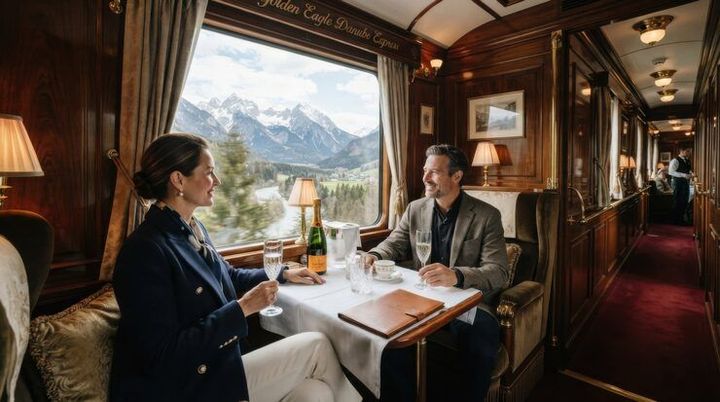
Dining areas can also form an important part of the journey. Some trains have formal dining rooms, while others provide meals within private cabins or lounge areas.
Passengers should examine cabin dimensions, bed arrangements, bathroom facilities, luggage limits, accessibility features, and onboard schedules when comparing different journeys.
Cultural and Historical Travel
Luxury rail routes often connect destinations with historical or cultural significance. Excursions can include museums, architectural sites, local markets, archaeological areas, historic districts, and natural attractions.
The railway itself may also have historical importance. Bridges, stations, tunnels, locomotives, and railway engineering can become part of the sightseeing experience.
Recent Updates
From 2024 through 2026, luxury rail travel has continued to develop around heritage restoration, scenic tourism, modern cabin design, sustainability considerations, and experience-focused itineraries. The broader travel industry has also shown continued interest in slower forms of transportation that emphasize the journey rather than only the final destination.
Modernized Heritage Rail Travel
Historic railway carriages continue to influence contemporary luxury train design. Restoration projects can preserve traditional woodwork, decorative details, original layouts, and railway craftsmanship while incorporating modern passenger facilities.
Some newer trains use heritage-inspired interiors rather than original carriages. These designs can combine traditional visual elements with modern lighting, climate control, bathrooms, electrical outlets, and contemporary safety systems.
Scenic and Slow Travel
Rail travel fits naturally into the wider interest in slower travel experiences. Instead of treating transportation only as a way to reach a destination, travelers can spend more time observing landscapes and visiting intermediate locations.
Scenic routes can also reduce the need for separate transportation between multiple destinations within the same itinerary. The train becomes both a transportation method and a sightseeing environment.
Technology and Passenger Comfort
Modern luxury trains can incorporate digital reservation systems, onboard connectivity, electronic cabin controls, improved climate systems, and updated safety equipment.
Some trains are also designed around energy efficiency and improved resource management. Developments can include more efficient lighting, water-management systems, improved insulation, and updated propulsion technologies, although the features vary significantly between railway operators.
New Itinerary Formats
Luxury rail itineraries increasingly combine rail travel with other forms of tourism. A journey may include several nights onboard followed by accommodation at a destination, or it may combine a scenic rail segment with cultural excursions and independent travel.
Some routes emphasize seasonal scenery, culinary experiences, cultural heritage, or special events. These formats demonstrate how luxury rail travel can be structured around different interests rather than one standard itinerary.
Laws or Policies
Luxury train journeys operate within railway, tourism, immigration, passenger safety, environmental, and accommodation regulations. Requirements vary according to the countries and railway networks involved.
Railway Safety
Passenger trains are subject to railway safety requirements covering track operations, signaling, braking systems, rolling stock, emergency procedures, fire protection, and passenger evacuation.
Luxury interiors do not remove the technical requirements associated with railway operation. Carriages must remain compatible with the railway infrastructure and operational standards used on their routes.
Passenger and Travel Requirements
International rail journeys can involve border controls, passports, visas, customs procedures, and immigration requirements. Travelers crossing international borders need to follow the requirements of each jurisdiction included in the itinerary.
Luggage rules can also vary. Certain trains may have specific limits for cabin storage, while larger luggage may need to be handled separately.
Environmental Rules
Railway operators can be affected by environmental requirements relating to energy use, waste management, wastewater, emissions, noise, and land use.
Heritage railway operations may involve additional considerations when historic locomotives or infrastructure are involved. Environmental requirements can influence how older equipment is operated or restored.
Accessibility
Passenger accessibility is another consideration. Modern trains may include accessible cabins, lifts, ramps, adapted bathrooms, visual information systems, or designated seating. However, older heritage trains may have physical limitations because of their original construction.
Travelers with accessibility requirements should examine the facilities available on the specific train and route rather than assuming that all luxury rail journeys have identical arrangements.
Tools and Resources
Planning luxury train journeys can involve several digital and practical resources. Rail route maps can help travelers understand the geography of a journey, while timetable tools can show departure schedules and connections.
Weather applications can help travelers prepare for changing conditions along scenic routes. Mapping platforms can also help organize pre- and post-journey accommodation and local transportation.
Useful planning resources include:
Railway route maps
Train timetables
Travel itinerary planners
Digital maps
Weather applications
Currency calculators
Cabin layout diagrams
Luggage measurement guides
Accessibility information
Rail history references
Destination planning tools
Travel insurance information
A simplified comparison of luxury rail journey formats is shown below:
| Journey Type | Main Focus | Typical Duration | Common Features |
|---|---|---|---|
| Scenic Day Journey | Landscapes | Several hours | Large windows, observation areas |
| Overnight Rail Journey | Travel and accommodation | One or more nights | Sleeping cabins, dining areas |
| Heritage Train | Railway history | Hours to several days | Restored or heritage-inspired interiors |
| Cultural Rail Journey | Destinations and excursions | Several days | Guided visits, cultural sites |
| Mountain Rail Journey | Alpine or elevated scenery | Hours to multiple days | Panoramic views, scenic stops |
| Regional Luxury Journey | Local exploration | One to several days | Dining, sightseeing, regional destinations |
Choosing a Route
Route selection involves more than identifying the destination. Travelers may also consider scenery, journey duration, cabin design, dining arrangements, excursion schedules, seasonal conditions, and accessibility.
The direction of travel can sometimes affect views from particular sides of the train. Cabin and observation arrangements can also influence how easily passengers can see the surrounding landscape.
Preparing for a Rail Journey
Packing requirements depend on journey length and destination. Comfortable clothing can be useful for long periods onboard, while formal dining arrangements may have specific dress expectations.
Travel documents should be organized before departure, particularly when a route crosses international borders. Travelers should also review luggage policies, cabin facilities, meal arrangements, accessibility information, and excursion schedules.
FAQs
What are luxury train journeys?
Luxury train journeys are rail trips that place additional emphasis on comfortable accommodation, dining, scenic viewing, interior design, and destination experiences. They can range from short scenic trips to multi-day overnight itineraries.
What destinations are common for luxury rail travel?
Luxury rail routes can be found across regions with significant scenery, cultural heritage, and railway history. Common route characteristics include mountains, coastlines, forests, deserts, historic cities, and countryside landscapes.
What is included in luxury train travel?
Features vary by train but can include private cabins, sleeping compartments, dining cars, observation areas, onboard meals, guided excursions, lounges, and selected passenger amenities.
How long do luxury train journeys usually last?
There is no single standard duration. Scenic trips may last several hours, while overnight itineraries can continue for multiple days. The length depends on the railway route, destinations, and scheduled excursions.
What should travelers check before a luxury rail journey?
Important details include cabin configuration, luggage rules, meal arrangements, accessibility, itinerary schedules, border requirements, weather conditions, and the facilities available on the specific train.
Conclusion
Luxury train journeys combine rail transportation with scenic viewing, comfortable accommodation, dining, cultural exploration, and railway heritage. Journey formats range from short scenic trips to multi-day itineraries with sleeping cabins and destination excursions. Recent developments include modernized heritage trains, digital passenger facilities, flexible itineraries, and increased interest in slower forms of travel. The characteristics of each journey depend on its route, train design, operating rules, season, and destination program.