Luxury Yacht Living Information With Yacht Interiors, Entertainment, and Dining
Luxury yacht living combines residential comfort with life on the water. Modern yachts are designed not only for cruising but also for relaxing, dining, entertaining, working, and spending extended periods onboard.
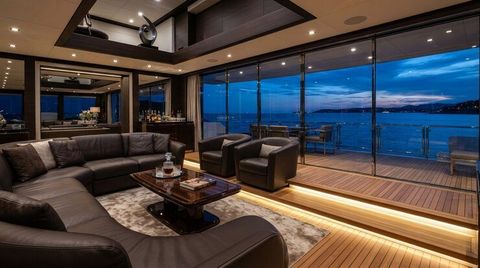
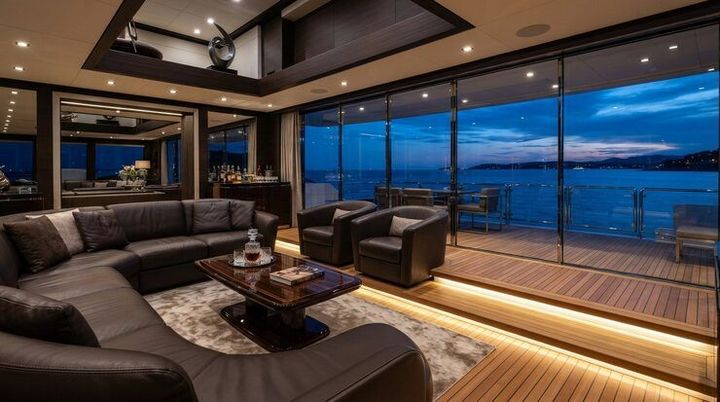
Luxury yacht interiors increasingly resemble sophisticated residential spaces, while outdoor decks create additional areas for social activities and connection with the sea.
The concept has developed from traditional pleasure boating into a broader lifestyle approach. Larger yachts can include private cabins, lounges, dining areas, kitchens, entertainment rooms, wellness spaces, outdoor terraces, and swimming areas. Design decisions are influenced by the number of guests, cruising plans, climate, privacy requirements, and how the yacht will be used.
Today, luxury yacht living is also influenced by technology and environmental considerations. Smart controls, efficient climate systems, modern navigation equipment, alternative propulsion technologies, and carefully selected materials are becoming more common in contemporary yacht design. These changes are shaping how people understand comfort and functionality at sea.
Context
How Luxury Yacht Living Developed
Early yachts were primarily designed around navigation, recreation, and basic onboard accommodation. As yacht dimensions increased, designers gained more flexibility to create dedicated living spaces, larger cabins, formal dining rooms, lounges, and recreational areas.
Modern luxury yacht design places greater emphasis on how people move through the vessel. Open-plan layouts, larger windows, natural materials, and connections between indoor and outdoor areas help create a residential atmosphere.
Luxury yacht interiors may include:
Main salons for conversation and relaxation
Private cabins with ensuite bathrooms
Dining rooms or flexible dining areas
Entertainment lounges
Libraries or quiet reading areas
Fitness and wellness rooms
Outdoor dining and lounge decks
Beach platforms close to the water
Yacht Interiors and Space Planning
Yacht interiors have unique design requirements because every room exists within a moving vessel. Weight distribution, ventilation, moisture resistance, storage, safety, and efficient use of space all influence interior planning.
Recent design thinking has moved toward softer, residential environments rather than highly formal decorative schemes. Natural textures, open-grain wood, stone surfaces, neutral palettes, integrated lighting, and multifunctional furniture are increasingly visible in contemporary yacht interiors.
Furniture may have multiple purposes. Seating can incorporate storage, dining tables can be designed for different group sizes, and rooms can change function depending on the time of day.
Importance
Why Yacht Living Matters
Luxury yacht living matters because it combines transportation, accommodation, recreation, and social space within one environment. For people who spend extended periods on water, the design of these spaces can influence comfort, privacy, movement, and everyday routines.
The subject is also relevant to architects, interior designers, marine engineers, yacht builders, hospitality professionals, crew members, and people researching yacht lifestyles.
A well-planned yacht needs to balance several competing requirements:
Comfort with limited interior volume
Entertainment with quiet private areas
Large windows with structural requirements
Open decks with weather protection
Technology with simple controls
Luxury materials with marine durability
Dining capacity with practical kitchen layouts
Entertainment and Social Spaces
Entertainment is an important part of modern yacht living. Dedicated cinema rooms, media lounges, gaming areas, music systems, swimming platforms, and outdoor seating can make the yacht suitable for different activities.
Entertainment technology is increasingly integrated into the interior rather than visually dominating it. Screens may be concealed, speakers can be built into ceilings or furniture, and lighting can be controlled according to different activities. Recent design discussions also emphasize multifunctional areas that can shift between family gatherings, movie sessions, relaxation, and formal events.
Outdoor entertainment has also become more significant. Fold-out platforms, shaded decks, pools, sunbathing areas, and direct access to the water can extend the usable living area beyond the main interior.
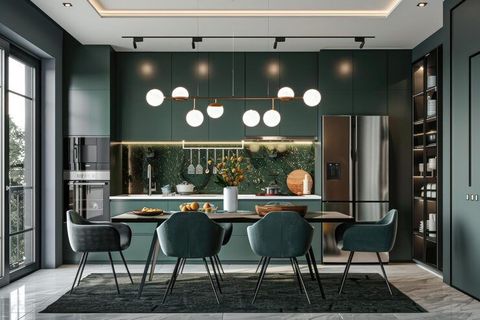
Dining on a Luxury Yacht
Dining spaces range from informal breakfast areas to larger dining rooms designed for group meals. Some yachts have several dining locations so guests can choose between indoor and outdoor settings.
A yacht kitchen, often called a galley, must balance professional food preparation with restricted space. Refrigeration, storage, ventilation, food preparation surfaces, waste management, and access to dining areas all require careful planning.
Outdoor dining areas are increasingly designed as extensions of indoor living spaces. Contemporary yacht concepts frequently connect dining, lounging, and the surrounding sea through open layouts and large exterior areas.
Typical Yacht Living Areas
| Living Area | Primary Function | Common Features |
|---|---|---|
| Main Salon | Relaxation and socializing | Sofas, tables, entertainment systems |
| Dining Area | Group meals | Dining table, lighting, storage |
| Master Cabin | Private accommodation | Bed, wardrobe, bathroom |
| Guest Cabins | Accommodation | Beds, storage, ensuite facilities |
| Outdoor Deck | Leisure and dining | Seating, shade, tables |
| Beach Platform | Water access | Swimming access, equipment storage |
| Wellness Area | Exercise and relaxation | Gym equipment, sauna or spa features |
| Media Room | Entertainment | Screens, audio equipment, comfortable seating |
Recent Updates
Changing Yacht Interior Trends
From 2024 through 2026, yacht design has increasingly focused on personalization, multifunctional spaces, natural materials, wellness areas, and stronger connections between interior and exterior environments. Recent design coverage shows continued interest in warm minimalism, adaptable layouts, and residential-style interiors.
The idea of informal luxury has also gained attention. Instead of separating every activity into highly formal rooms, designers are creating spaces that can support several purposes throughout the day.
Technology and Connectivity
Smart home-style controls are becoming more integrated into yacht interiors. Lighting, climate, shades, entertainment equipment, and some onboard systems can be managed through centralized interfaces.
Connectivity is another important development. Improved communications technology allows people to maintain contact with family, colleagues, and digital platforms while cruising. This has encouraged yacht layouts that accommodate both leisure and remote work.
Sustainability and Propulsion
Environmental considerations are influencing new yacht concepts. Hybrid propulsion, alternative energy systems, improved water treatment, energy monitoring, and lower-impact materials are receiving greater attention across the marine sector.
The shift does not mean every yacht uses the same technology. Vessel size, cruising range, electrical requirements, operating profile, and regulatory requirements all influence the appropriate system. Recent yacht design research also highlights digital technologies and sustainability as connected areas of development.
Wellness and Outdoor Living
Wellness spaces have become another notable design theme. Gyms, treatment rooms, saunas, meditation areas, plunge pools, and flexible exercise spaces can be incorporated into larger vessels.
At the same time, outdoor living is receiving greater design attention. Modern concepts increasingly treat decks, terraces, pools, and water-access areas as extensions of the interior rather than secondary spaces.
Laws or Policies
Yacht Registration and Flag-State Rules
Yachts normally operate under the laws of their registered flag state. Registration establishes the legal framework under which the vessel is documented and regulated.
Requirements can cover vessel identification, safety equipment, navigation equipment, crew qualifications, radio equipment, inspections, and operating limitations. The exact requirements depend on vessel characteristics and intended use.
Maritime Safety Requirements
International maritime frameworks can influence yacht operations, particularly for larger vessels or vessels engaged in commercial activities. The International Maritime Organization develops conventions and codes covering areas such as safety and pollution prevention.
The International Safety Management Code establishes principles for safe ship management and pollution prevention, although its application depends on vessel category and regulatory scope. Certain pleasure yachts that are not engaged in trade can fall outside parts of the SOLAS framework, while other requirements may still apply through national or flag-state rules.
Environmental and Cruising Rules
Pollution controls can regulate fuel systems, waste handling, sewage, emissions, and discharge practices. Additional restrictions may apply when entering environmentally sensitive waters, protected marine areas, ports, or coastal zones.
Owners and operators also need to consider local navigation rules, anchoring restrictions, immigration procedures, customs requirements, and marina regulations. Requirements can change significantly between jurisdictions, making the operating location an important factor.
Tools and Resources
Yacht Planning Tools
Several categories of tools can help people understand yacht living and plan onboard spaces. Marine navigation applications can provide route planning, charts, weather information, and navigation data.
Interior planning software can help visualize cabins, salons, dining areas, storage, lighting, and furniture arrangements before physical construction or renovation begins.
Useful Information Resources
People researching luxury yacht living may also use:
Yacht specification databases for comparing vessel layouts
Marine navigation applications for route planning
Weather and ocean-condition platforms
Yacht interior design references
Maritime authority publications
Flag-state registration information
Marina and harbor directories
Maintenance planning templates
Onboard inventory spreadsheets
Fuel and range calculators
These resources can help explain the practical relationship between yacht size, accommodation, cruising range, equipment, and daily living requirements.
FAQs
What is luxury yacht living?
Luxury yacht living refers to using a yacht as a comfortable residential and recreational environment while traveling or spending time on water. It can include private cabins, dining spaces, entertainment areas, wellness facilities, and outdoor living areas.
What are common luxury yacht interior features?
Luxury yacht interiors commonly include spacious salons, private cabins, integrated lighting, climate controls, entertainment systems, storage solutions, dining areas, and durable marine-grade materials. Larger vessels may also include gyms, spas, cinemas, offices, or libraries.
What entertainment is available on a luxury yacht?
Entertainment can include cinema systems, music equipment, gaming areas, swimming platforms, water recreation equipment, outdoor lounges, pools, and flexible social spaces. The available features depend on yacht size and layout.
How is dining arranged on a luxury yacht?
Dining can take place in formal dining rooms, casual indoor areas, outdoor terraces, or aft and upper decks. Larger yachts may have multiple dining locations and specialized galley layouts designed around onboard food preparation.
What laws apply to luxury yacht living?
Rules depend on the yacht's flag state, size, intended use, cruising area, and whether it operates privately or commercially. Registration, safety, environmental, navigation, customs, and port requirements may all apply.
Conclusion
Luxury yacht living combines accommodation, entertainment, dining, recreation, and outdoor environments within a specialized marine setting. Modern yacht interiors increasingly emphasize comfortable residential design, multifunctional spaces, technology, wellness, and stronger connections with the sea. Recent developments also show greater attention to sustainability, alternative propulsion, connectivity, and flexible outdoor areas. Yacht operations remain subject to registration, safety, environmental, and local maritime requirements that vary according to the vessel and its operating area.