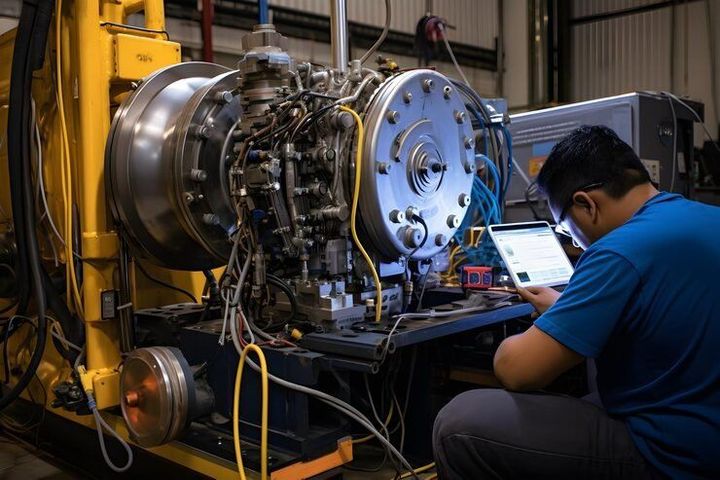
Motor Testing Machines Guide: Electrical Tests, Performance Analysis, Equipment and Safety
Motor testing machines are specialized instruments used to examine the electrical condition, mechanical performance, and operating characteristics of electric motors. They are used in manufacturing plants, electrical laboratories, repair facilities, industrial maintenance departments, and equipment production lines. Their purpose is to help determine whether a motor operates within specified limits and to identify possible faults before they cause equipment failure.
Context
Motor testing machines are specialized instruments used to examine the electrical condition, mechanical performance, and operating characteristics of electric motors. They are used in manufacturing plants, electrical laboratories, repair facilities, industrial maintenance departments, and equipment production lines. Their purpose is to help determine whether a motor operates within specified limits and to identify possible faults before they cause equipment failure.
Electric motors convert electrical energy into mechanical movement. They power pumps, fans, conveyors, compressors, machine tools, industrial robots, and many household appliances. As motor technology developed, electrical engineers introduced testing methods to measure winding condition, insulation resistance, current, voltage, rotational speed, torque, vibration, and temperature.
Modern motor testing machines combine measurement instruments, electrical test equipment, sensors, and computer-based analysis. Some systems perform individual electrical tests, while others connect a motor to a controlled load and evaluate its performance under different operating conditions.
Main Types of Motor Testing Machines
Motor testing equipment varies according to motor design, voltage rating, test purpose, and operating environment. Common categories include:
Electrical test systems: Measure voltage, current, winding resistance, and other electrical characteristics.
Insulation resistance testers: Assess the electrical resistance between windings and ground or between isolated electrical components.
Motor performance test benches: Measure operating characteristics such as torque, rotational speed, power, and efficiency.
Surge testers: Apply controlled voltage pulses to evaluate insulation between turns of a motor winding.
Vibration analysis equipment: Detect unusual mechanical movement associated with imbalance, misalignment, bearing problems, or other faults.
Thermal measurement systems: Monitor motor temperature during operation or under specified test conditions.
Each machine has a defined purpose, and no single test can identify every possible motor fault. The appropriate testing method depends on the motor's construction, operating history, manufacturer specifications, and the problem being investigated.
Importance
Motor testing machines play an important role in industrial reliability, electrical safety, and equipment quality control. A motor that develops insulation damage, excessive vibration, overheating, or abnormal current consumption may affect connected machinery and interrupt production. Testing can help identify these conditions and support decisions about maintenance, adjustment, or replacement.
Motor testing is relevant to electrical technicians, plant engineers, equipment manufacturers, maintenance teams, and laboratory personnel. It also affects everyday activities because motors operate in water pumps, ventilation equipment, elevators, refrigeration systems, and other devices used in buildings and public facilities.
Problems Identified Through Motor Testing
Different tests reveal different types of electrical or mechanical problems. For example, unusual winding resistance may indicate a connection problem, while reduced insulation resistance can suggest moisture, contamination, aging, or insulation damage.
Common issues that motor testing may help identify include:
Insulation deterioration: Weakening of the material separating electrical conductors.
Winding faults: Open circuits, short circuits, or differences between winding measurements.
Overheating: Excessive temperature caused by loading, ventilation problems, electrical conditions, or mechanical friction.
Mechanical imbalance: Uneven mass distribution that creates vibration during rotation.
Bearing problems: Wear, lubrication issues, or damage that affects smooth movement.
Performance changes: Differences in current, torque, speed, or efficiency compared with expected operating values.
Test results require context. A measurement outside a specified range may indicate a problem, but it does not always identify the exact cause. Engineers may combine several tests with visual inspection, operating records, and manufacturer guidance.
Common Motor Tests and Their Purposes
| Test method | Main measurement | Typical purpose |
|---|---|---|
| Winding resistance test | Electrical resistance | Identify winding differences or connection faults |
| Insulation resistance test | Resistance to electrical leakage | Assess insulation condition |
| High-potential test | Insulation withstand capability | Evaluate insulation against a specified test voltage |
| Surge comparison test | Winding response to voltage pulses | Detect certain turn-to-turn insulation weaknesses |
| No-load test | Current, input power, speed | Assess behavior without a mechanical load |
| Load test | Torque, speed, power, temperature | Examine motor operation under load |
| Vibration analysis | Vibration level and frequency | Investigate mechanical irregularities |
| Temperature monitoring | Surface or internal temperature, depending on sensors | Identify abnormal heating during operation |
The tests listed above are not interchangeable. For instance, insulation resistance testing does not establish that a motor will perform efficiently under load, while a load test alone does not provide a complete assessment of winding insulation.
Recent Updates
Motor testing technology has increasingly incorporated digital instruments, automated test sequences, connected sensors, and software-based analysis. During the 2024–2026 period, wider industrial interest in predictive maintenance and energy efficiency has supported the development and use of testing systems that record measurements over time. Specific capabilities vary by equipment manufacturer and application.
Automated Testing and Digital Monitoring
Automated motor testing systems can apply predefined test sequences, collect measurements, and compare results with configured limits. In manufacturing environments, this can improve consistency between tests and reduce manual data entry. Stored results also make it easier to compare motors from the same production batch or review changes in an individual motor over time.
Digital monitoring systems may use sensors to track temperature, vibration, current, and operating speed. When connected to suitable monitoring software, these measurements can help maintenance teams recognize changes that require investigation. Automated alerts are indicators for further assessment rather than proof of a specific fault.
Predictive Maintenance and Energy Performance
Predictive maintenance uses measurements and historical operating information to estimate when equipment may need attention. Motor testing contributes to this approach by providing information about insulation, electrical behavior, vibration, and thermal conditions. The reliability of any prediction depends on sensor quality, operating context, data coverage, and the analysis method.
Energy efficiency is another important consideration. Performance test benches can measure input power and mechanical output under defined conditions, allowing engineers to calculate efficiency. Comparisons are meaningful only when the test conditions, measurement accuracy, motor configuration, and applicable standards are taken into account.
Laws or Policies
Motor testing is influenced by electrical safety requirements, equipment standards, workplace regulations, and environmental or energy-efficiency rules where applicable. Requirements differ according to the motor type, installation, industry, and country. Testing procedures should therefore be selected according to the relevant equipment documentation and applicable regulations.
Electrical and Equipment Standards in India
In India, the Bureau of Indian Standards (BIS) publishes standards covering electrical equipment, including requirements relevant to electric motors and their testing. The applicable Indian Standard depends on the motor category and the specific characteristic being evaluated. International standards from the International Electrotechnical Commission (IEC) are also used in many motor design and testing contexts.
IEC 60034 covers rotating electrical machines, with different parts addressing subjects such as ratings, performance, and test methods. For example, IEC 60034-2-1 addresses methods for determining losses and efficiency from tests. The applicable edition and requirements should be confirmed for the particular motor and assessment.
Workplace Electrical Safety
Testing procedures involving energized equipment can expose personnel to electric shock, arc flash, rotating parts, stored energy, and unexpected startup. Indian workplace and electrical safety obligations depend on the setting and applicable regulations, including relevant provisions of the Electricity Act, 2003, and electrical safety rules.
Safe testing practices commonly include isolating equipment before making connections, applying lockout and tagout procedures where required, verifying the absence of voltage, using appropriately rated instruments, and following manufacturer instructions. High-voltage insulation and surge tests require suitable protective arrangements and trained personnel. Exact precautions depend on the test voltage, equipment design, and workplace risk assessment.
Tools and Resources
Selecting and interpreting motor testing equipment requires reliable measurement tools, appropriate documentation, and an understanding of the motor's operating requirements. The instrument's measurement range and safety rating should match the intended test.
Common Testing Instruments
Digital multimeters: Measure electrical quantities such as voltage and resistance within the instrument's specified capabilities.
Clamp meters: Measure current without disconnecting the conductor, when used within the instrument's ratings.
Insulation resistance testers: Apply a specified DC test voltage to assess insulation resistance.
Power analyzers: Measure electrical input characteristics, including voltage, current, power, and power factor.
Dynamometers and torque sensors: Measure mechanical load and torque during controlled performance testing.
Vibration analyzers: Record vibration levels and frequencies to support mechanical fault investigation.
Temperature sensors: Monitor surface or selected internal temperatures, depending on sensor design and installation.
Instrument selection depends on the required accuracy, test voltage, motor rating, and environment. Ordinary electrical instruments cannot automatically replace specialized equipment for high-voltage or winding-insulation tests.
Standards, Manuals, and Data Recording
The BIS website provides information about Indian Standards, while the IEC website describes international standards for rotating electrical machines. Motor manufacturers' technical manuals provide model-specific specifications, wiring diagrams, permitted operating conditions, and maintenance instructions.
A motor testing record can include the motor identification number, rated voltage, power rating, test date, ambient temperature, instrument identification, test conditions, measurements, and technician observations. Consistent records help compare results over time and distinguish normal operating variation from a developing issue.
FAQs
What is a motor testing machine used for?
A motor testing machine evaluates electrical condition, mechanical behavior, or operating performance. Depending on its design, it can measure winding resistance, insulation resistance, current, torque, speed, vibration, or temperature.
Which electrical tests are performed on electric motors?
Common electrical tests include winding resistance, insulation resistance, continuity checks, surge comparison, and specified high-potential tests. The appropriate combination depends on motor design, test purpose, and safety requirements.
How does a motor performance test bench work?
A motor performance test bench operates a motor under controlled conditions and measures characteristics such as input power, torque, rotational speed, and temperature. These measurements can help assess performance and calculate efficiency when the required data is available.
How often should motor testing be performed?
Testing frequency depends on motor criticality, operating conditions, manufacturer recommendations, maintenance history, and applicable requirements. Motors exposed to moisture, heavy loads, contamination, or frequent starts may need a different inspection schedule from motors in stable conditions.
What safety precautions are necessary during motor testing?
Testing requires appropriate isolation, correctly rated instruments, suitable protective equipment, and controls for electrical and mechanical hazards. High-voltage testing should be conducted by trained personnel following approved procedures and equipment instructions.
Conclusion
Motor testing machines help assess electrical insulation, winding condition, mechanical behavior, and operating performance. Different testing methods identify different problems, so results must be interpreted in relation to motor specifications and test conditions. Digital monitoring and automated analysis are expanding the ways maintenance teams record and evaluate motor data. Applicable standards, accurate instruments, and safe testing procedures remain central to reliable assessment.