Plastic Extrusion Machines Guide: Processes, Materials, Equipment and Production Methods
Plastic extrusion machines are industrial systems used to shape plastic materials into continuous products with a consistent cross-section. A plastic extrusion machines guide explains the processes, materials, equipment, and production methods involved in manufacturing items such as pipes, tubes, sheets, films, profiles, and insulation coatings. The process is widely used because it can produce long sections of plastic material continuously rather than forming each item separately.
Context
Plastic extrusion machines are industrial systems used to shape plastic materials into continuous products with a consistent cross-section. A plastic extrusion machines guide explains the processes, materials, equipment, and production methods involved in manufacturing items such as pipes, tubes, sheets, films, profiles, and insulation coatings. The process is widely used because it can produce long sections of plastic material continuously rather than forming each item separately.
Plastic extrusion developed alongside advances in polymer chemistry and industrial machinery. As manufacturers began processing thermoplastics on a larger scale, extrusion equipment became an important part of packaging, construction, electrical manufacturing, agriculture, and consumer goods production. Modern systems combine heating, mechanical movement, pressure control, and cooling to shape melted plastic into the required form.
How Plastic Extrusion Works
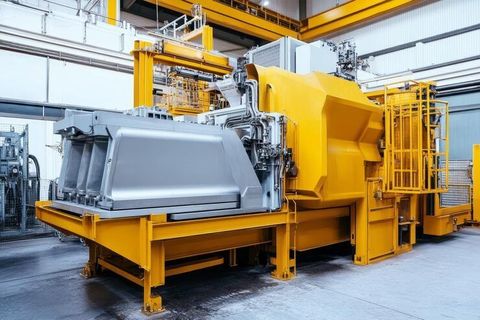
The extrusion process generally begins with plastic pellets, granules, or powder placed in a hopper. The material moves into a heated barrel, where a rotating screw transports it forward and helps melt and mix it. The softened plastic is then pushed through a specially shaped opening called a die.
After leaving the die, the material passes through cooling and sizing equipment. Depending on the product, it may then be pulled by a haul-off unit, cut into sections, rolled into coils, or collected in sheets.
The main stages include:
Feeding: Raw plastic material enters the machine through a hopper.
Melting and mixing: Heat and mechanical movement prepare the material for shaping.
Extrusion: Pressure pushes the softened polymer through the die.
Cooling and sizing: The emerging product is cooled and guided toward its required dimensions.
Cutting or winding: The finished material is collected in a form suitable for storage or further processing.
The exact sequence varies according to the polymer, product design, and extrusion system.
Main Types of Plastic Extrusion Machines
Different machines are designed for specific product shapes and manufacturing requirements. Common types include pipe extrusion lines, film extrusion machines, sheet extrusion systems, profile extrusion equipment, and cable coating lines.
Pipe extrusion machines produce tubes and pipes used in plumbing, irrigation, drainage, and industrial applications. Film extrusion systems create thin plastic layers used in packaging and agricultural coverings. Sheet extrusion equipment produces flat plastic sheets that may later undergo cutting, thermoforming, or other shaping processes.
Profile extrusion machines manufacture continuous shapes such as window frames, seals, channels, and trim. Cable coating systems apply a polymer layer around electrical wires or cables to provide insulation and physical protection.
Importance
Plastic extrusion machines play an important role in producing materials used in everyday infrastructure and manufacturing. Plastic pipes support water distribution and drainage systems, while films and sheets are used in packaging, agriculture, and protective coverings. Extruded profiles are also found in building components, furniture, and equipment enclosures.
Understanding the machinery helps manufacturers, engineers, maintenance teams, and students recognize how product quality depends on material selection, temperature, pressure, and process control. Poorly controlled extrusion can create uneven thickness, surface defects, dimensional variation, or weak sections that affect the intended use of a product.
Materials Used in Plastic Extrusion
The properties of the finished product depend partly on the polymer used. Different materials respond differently to heat, pressure, cooling, and mechanical stress.
Polyethylene (PE): Commonly used for pipes, films, protective coverings, and flexible products.
Polypropylene (PP): Used in sheets, packaging components, tubes, and various industrial products.
Polyvinyl chloride (PVC): Used in pipes, building profiles, conduits, and selected insulation applications.
Polystyrene (PS): Used in certain sheets, packaging components, and formed plastic products.
Acrylonitrile butadiene styrene (ABS): Used in rigid profiles, housings, and technical components.
Polyethylene terephthalate (PET): Used in selected sheet and film applications, subject to appropriate processing conditions.
Not every polymer is suitable for every extrusion method. Material grade, additives, moisture content, thermal stability, and intended product properties influence processing requirements.
Essential Equipment and Their Functions
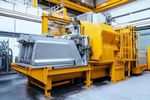
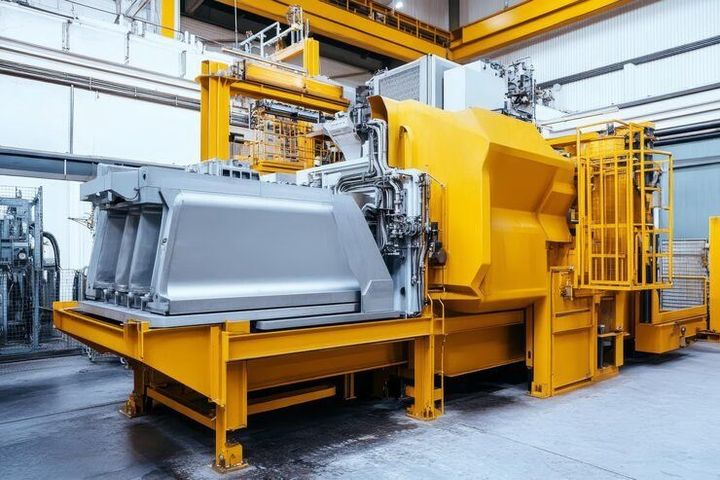
A complete plastic extrusion line contains several connected components. The extruder itself prepares and moves the polymer, while downstream equipment shapes, cools, measures, and collects the product.
| Equipment | Main function | Typical consideration |
|---|---|---|
| Hopper and feeder | Supplies raw material | Consistent material flow |
| Screw and barrel | Transports, mixes, and melts polymer | Screw design and temperature |
| Heating and cooling controls | Regulate processing conditions | Stable thermal control |
| Die | Shapes the emerging plastic | Product geometry and flow |
| Cooling system | Helps the product retain its shape | Cooling rate and uniformity |
| Haul-off unit | Pulls material through the line | Controlled pulling speed |
| Cutter or winder | Collects finished material | Product length or roll format |
Auxiliary equipment may include dryers, material mixers, vacuum sizing tanks, melt filters, thickness gauges, and automated inspection systems. Their use depends on the material and the product being manufactured.
Recent Updates
Plastic extrusion technology continues to develop through improvements in automation, monitoring, material handling, energy management, and recycling. Across the 2024–2026 period, broader manufacturing trends have included increased use of connected production equipment, digital process monitoring, and more attention to material efficiency. The extent of adoption varies by manufacturer, production scale, and application.
Automation and Process Monitoring
Modern extrusion lines may use programmable logic controllers, sensors, and computerized interfaces to monitor temperatures, screw speed, pressure, output rate, and product dimensions. These systems help operators identify process variation and adjust operating parameters when necessary.
Some installations also use machine vision and automated measurement systems to identify surface defects or dimensional changes. Data collected during production can support maintenance planning and help teams investigate recurring quality problems. However, the effectiveness of these tools depends on suitable calibration, equipment integration, and operator knowledge.
Recycling and Material Efficiency
Recycled polymers are being incorporated into some extrusion applications where material properties, contamination levels, and product requirements permit. Processing recycled material can require additional attention to moisture, impurities, melt consistency, and variation between material batches.
Manufacturers are also examining ways to reduce scrap, improve material feeding, and control energy use during heating and cooling. Recycled content is not appropriate for every application, particularly where strict hygiene, mechanical performance, or regulatory requirements apply.
New Materials and Production Methods
Developments in polymer blends, additives, and multilayer extrusion allow manufacturers to create products with different barrier, flexibility, strength, or appearance characteristics. Co-extrusion, for example, combines two or more polymer streams through a shared die to produce a product with multiple layers.
The suitability of each method depends on polymer compatibility, equipment configuration, product specifications, and the intended operating environment. Material changes generally require process testing before production conditions can be established.
Laws or Policies
Plastic extrusion manufacturing is affected by workplace safety requirements, environmental rules, product standards, and regulations governing plastic waste. Applicable obligations depend on the manufacturing location, the type of product, the material being processed, and the intended market.
Industrial Safety and Environmental Rules in India
In India, plastic manufacturing facilities may need to comply with applicable factory, occupational safety, fire prevention, and environmental requirements. The relevant obligations depend on the state, facility classification, and laws in force. Machinery guarding, electrical safety, ventilation, temperature controls, and safe handling procedures are important considerations in extrusion operations.
The Central Pollution Control Board and State Pollution Control Boards play roles in implementing and administering relevant environmental requirements. Depending on the facility and its activities, permissions or consents may be required under applicable pollution-control legislation.
Plastic Waste and Product Requirements
India's Plastic Waste Management Rules, 2016, as amended, establish requirements relating to plastic waste management and extended producer responsibility for specified entities and products. Their applicability depends on the activity and the legal category of the organization involved. Plastic packaging manufacturers, producers, importers, and brand owners may have different obligations under the applicable framework.
Certain products may also need to meet relevant Bureau of Indian Standards specifications or other technical requirements, depending on their intended use and whether a particular standard is mandatory. Products intended for food contact, drinking water systems, electrical applications, or construction may face additional requirements.
Manufacturers should distinguish between general operating guidance and legally binding requirements. Current central and state rules, product-specific standards, and applicable approvals determine the obligations for a particular facility or product.
Tools and Resources
Technical references and production tools help users understand machine specifications, material properties, and process conditions. The appropriate resource depends on whether the purpose is equipment selection, troubleshooting, product design, or compliance planning.
Machine Design and Process Calculations
Extrusion calculators and engineering spreadsheets can help estimate output rate, material consumption, line speed, and production time. For example, a basic production estimate can be calculated by multiplying the hourly output rate by the operating hours, then adjusting for downtime and rejected material.
Screw design references, polymer processing handbooks, and technical data sheets provide information about melt temperatures, material behavior, and processing limitations. Actual operating settings should be established using the material manufacturer's guidance and the machine's specifications.
Standards and Technical Information
The following resources can support general research:
Central Pollution Control Board (CPCB): Environmental rules and plastic waste management information in India.
Bureau of Indian Standards (BIS): Applicable product standards and technical specifications.
Plastics Industry Association resources: Educational information about polymer processing and manufacturing practices.
Machine manufacturer manuals: Equipment limits, operating procedures, maintenance schedules, and safety requirements.
Polymer supplier data sheets: Material properties, processing guidance, and relevant handling information.
Technical documents should be checked for their revision, geographic applicability, and intended use. A general reference does not replace the operating manual or a mandatory product standard.
FAQs
What are plastic extrusion machines used for?
Plastic extrusion machines produce continuous plastic products such as pipes, films, sheets, tubes, profiles, and cable coatings. The product shape depends on the die and the configuration of the production line.
Which materials are used in plastic extrusion machines?
Common materials include polyethylene, polypropylene, PVC, polystyrene, ABS, and selected grades of PET. Material suitability depends on the extrusion process, temperature requirements, and intended product properties.
What are the main steps in the plastic extrusion process?
The process generally includes feeding, melting, mixing, pushing the material through a die, cooling, sizing, and collection. Specific steps vary according to the product and equipment.
What is the difference between single-screw and twin-screw extrusion?
A single-screw extruder uses one rotating screw to move and process material. A twin-screw extruder uses two screws and can provide different mixing and material-handling characteristics, depending on whether the screws rotate together or in opposite directions and how they are configured.
How is product quality controlled during plastic extrusion?
Quality control may involve monitoring temperature, pressure, output rate, dimensions, surface appearance, and material consistency. Sampling and testing help determine whether the finished product meets its specified requirements.
Conclusion
Plastic extrusion machines transform polymer materials into continuous products through controlled heating, mixing, shaping, and cooling. Machine configuration, polymer selection, die design, and process conditions influence production quality and efficiency. Automation and recycling are shaping current manufacturing practices, although their suitability depends on the application. Safety rules, environmental requirements, and product standards also form important parts of extrusion operations.